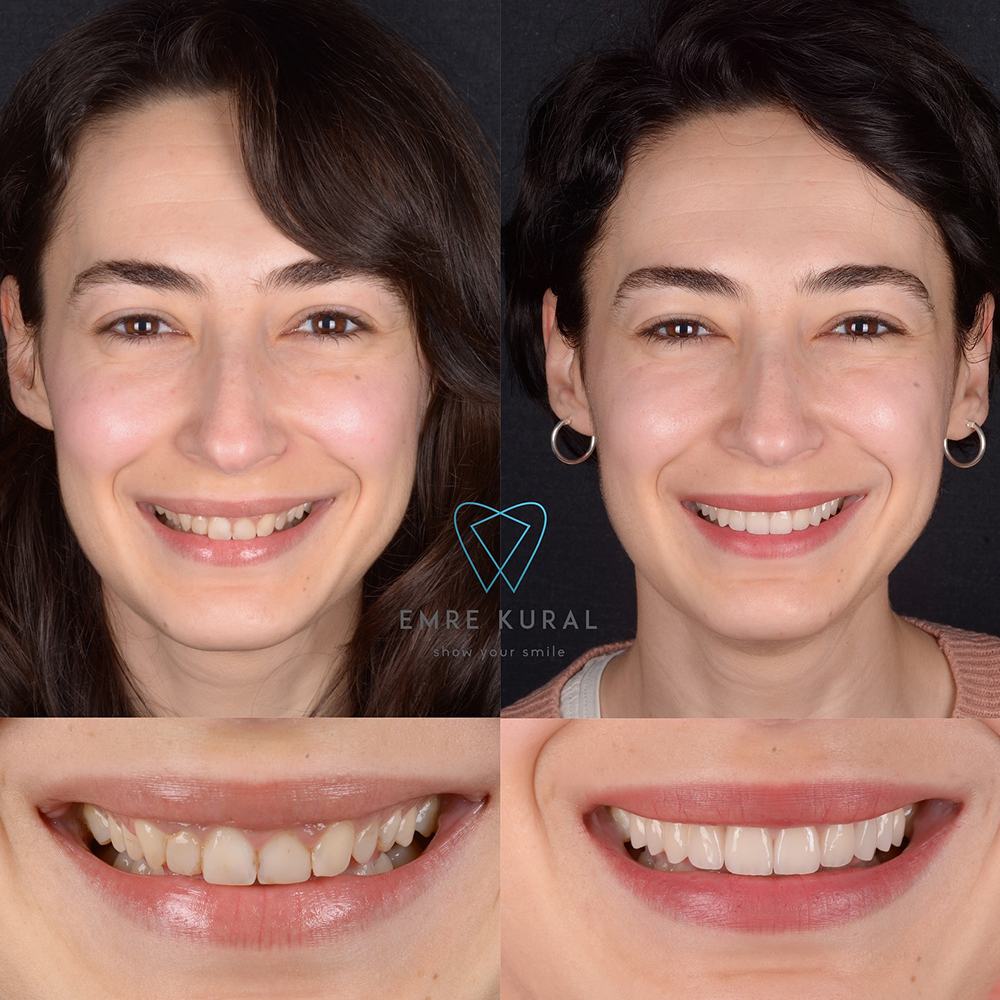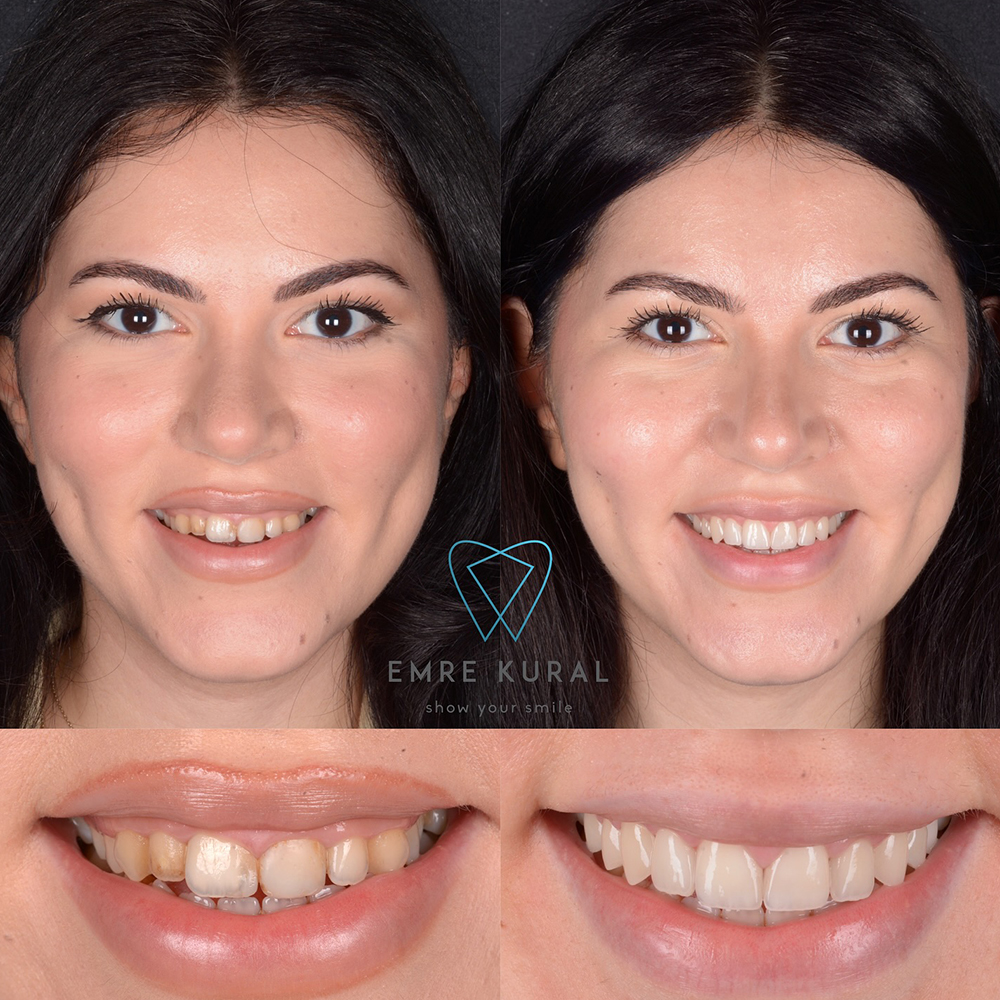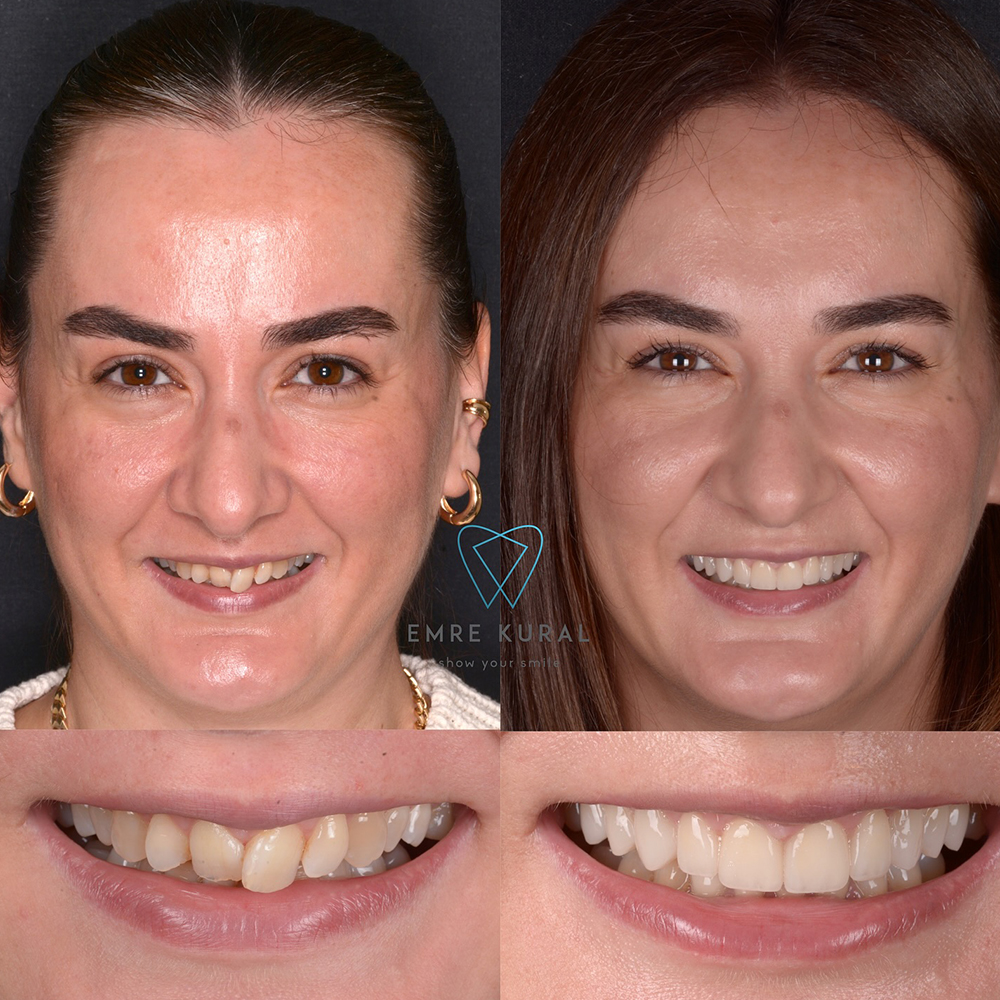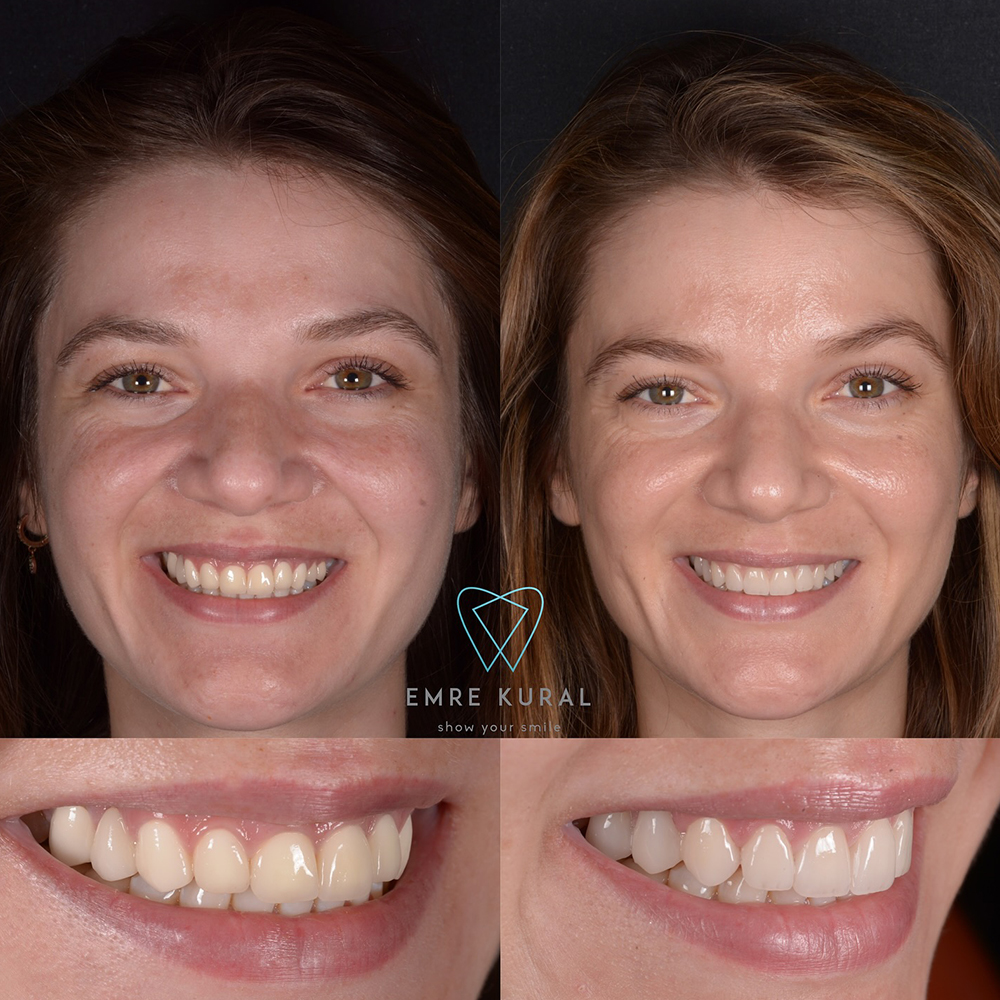
 Deutsch
 Türkçe
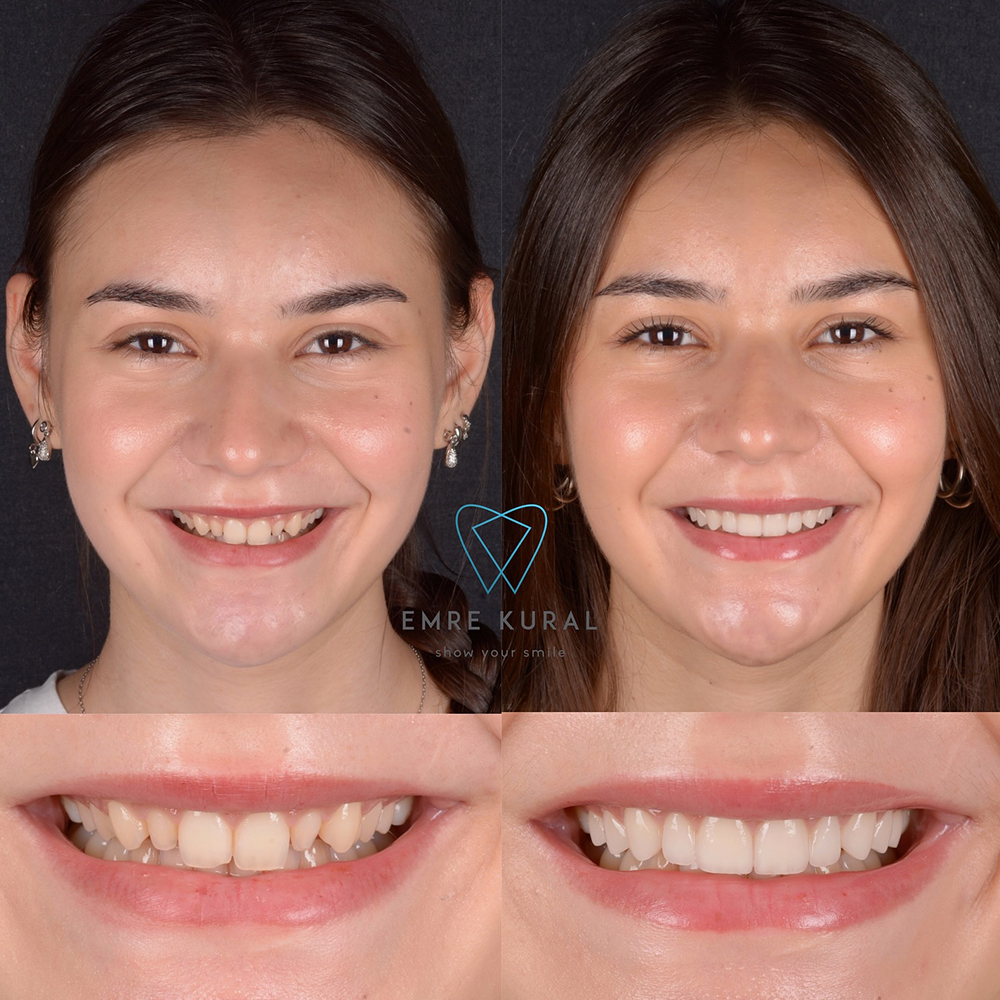
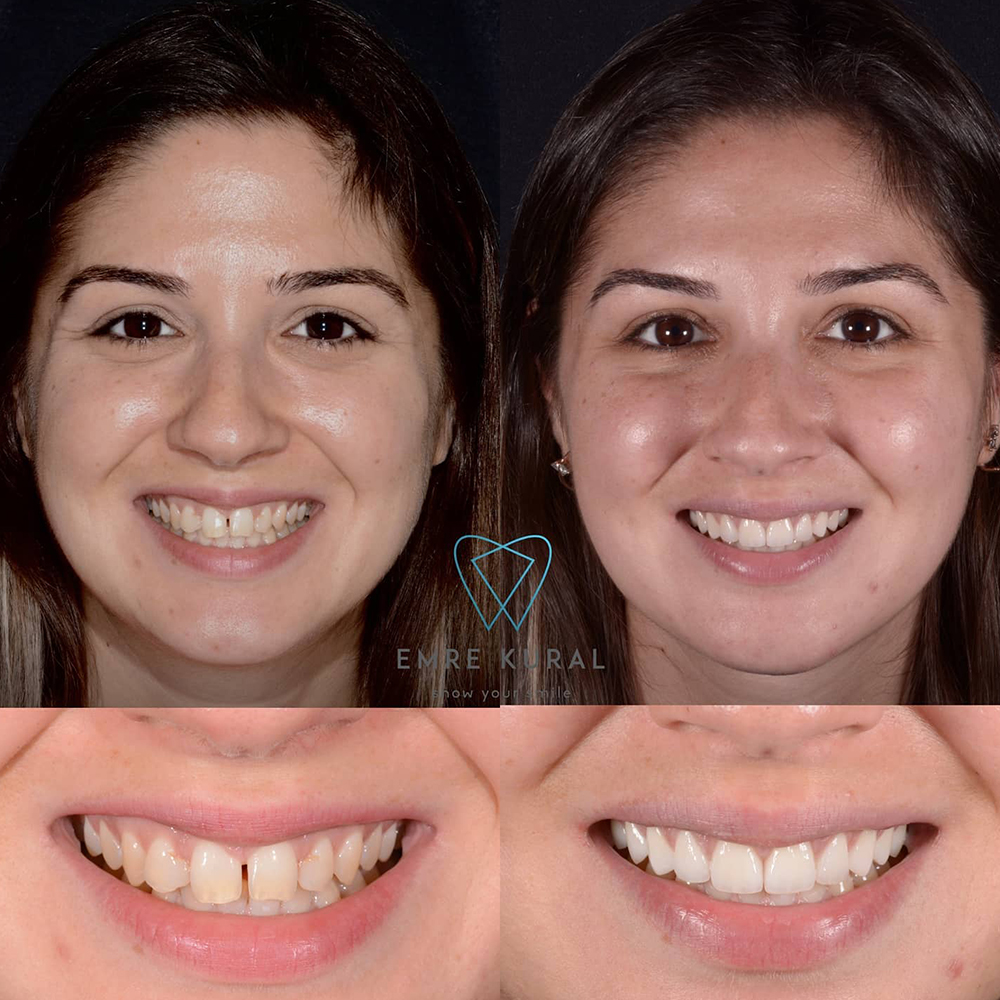
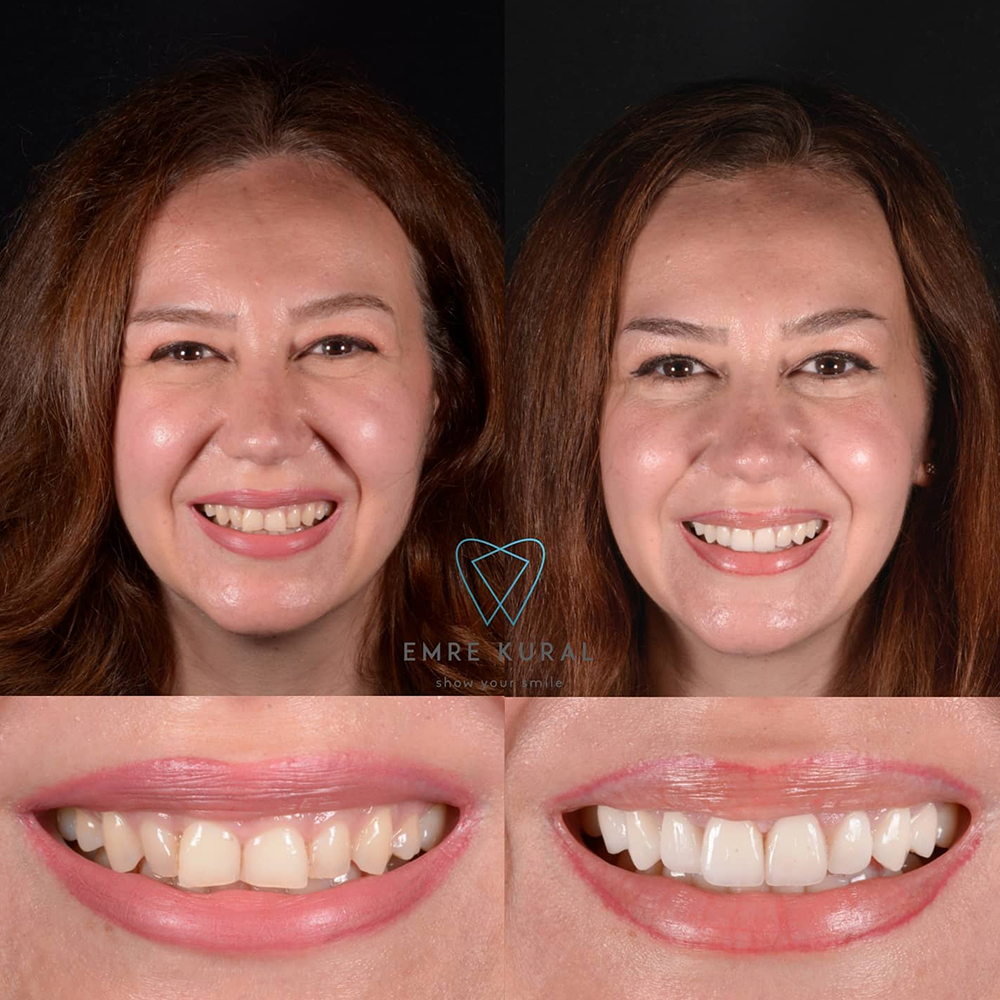
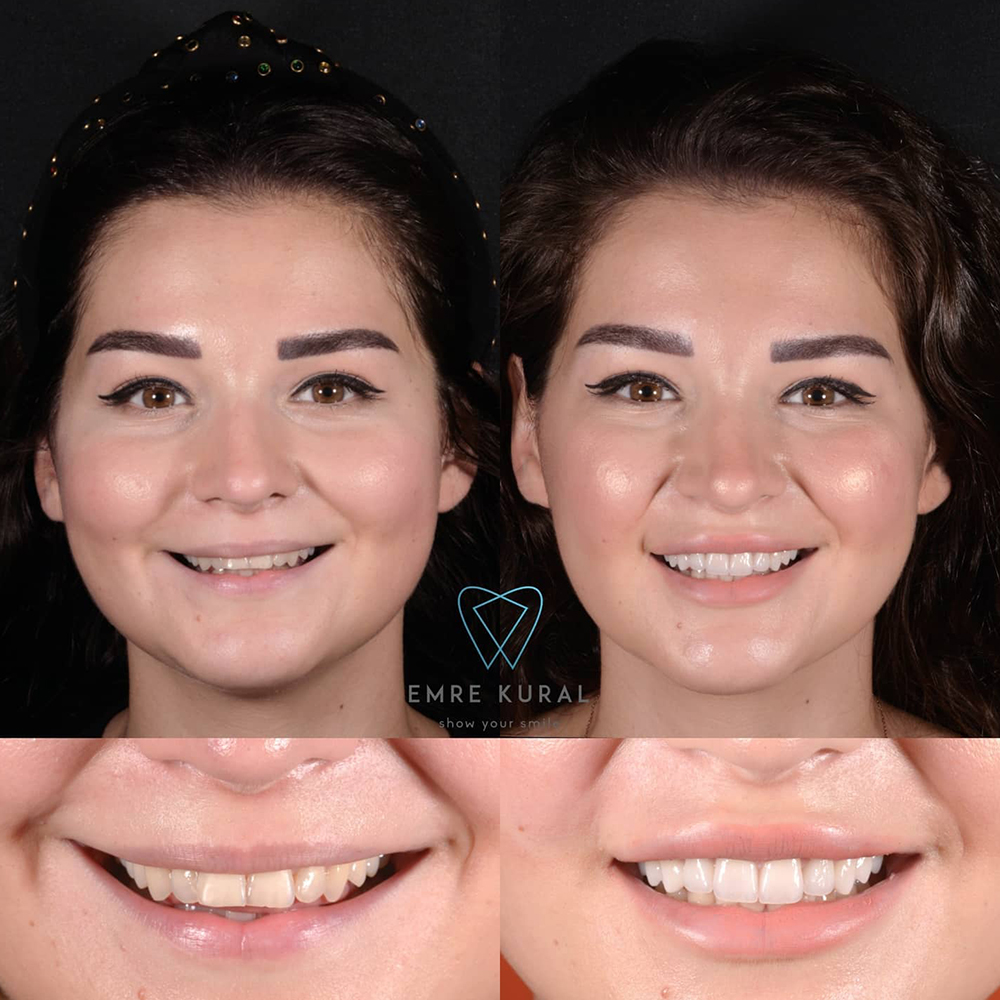
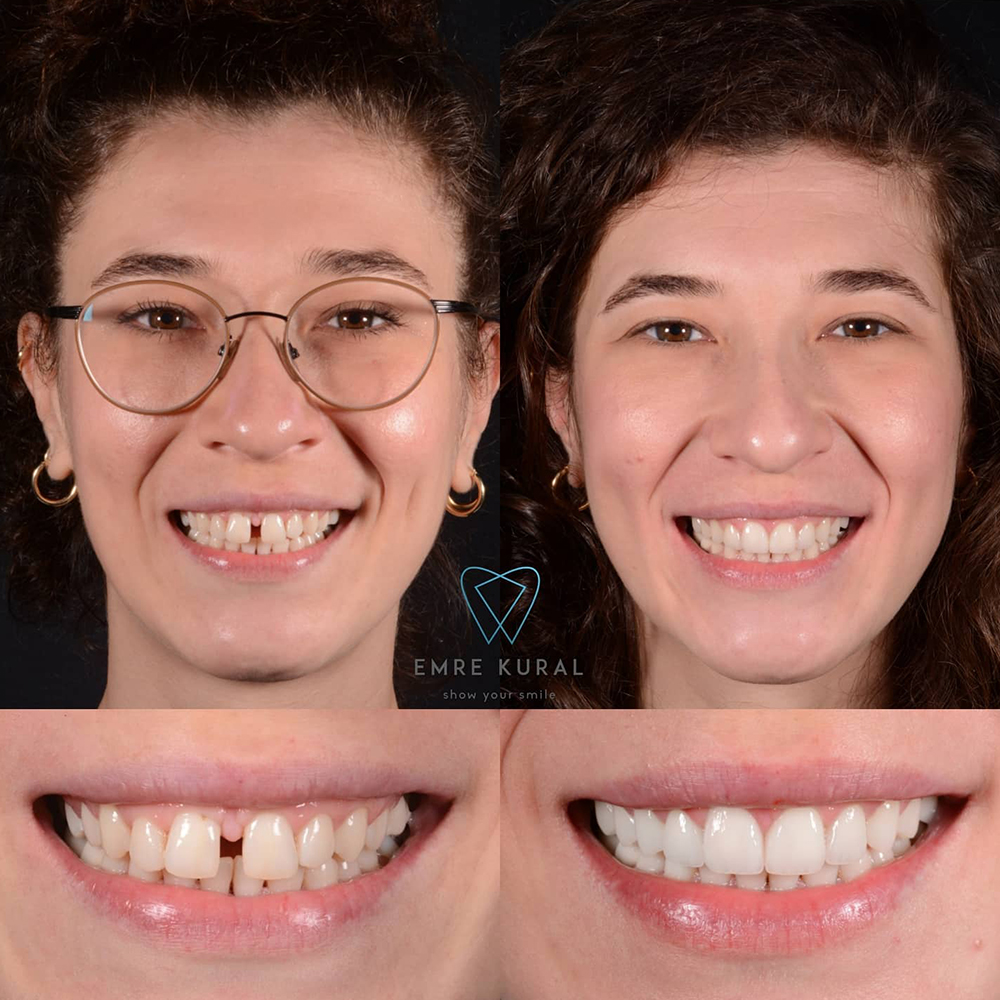
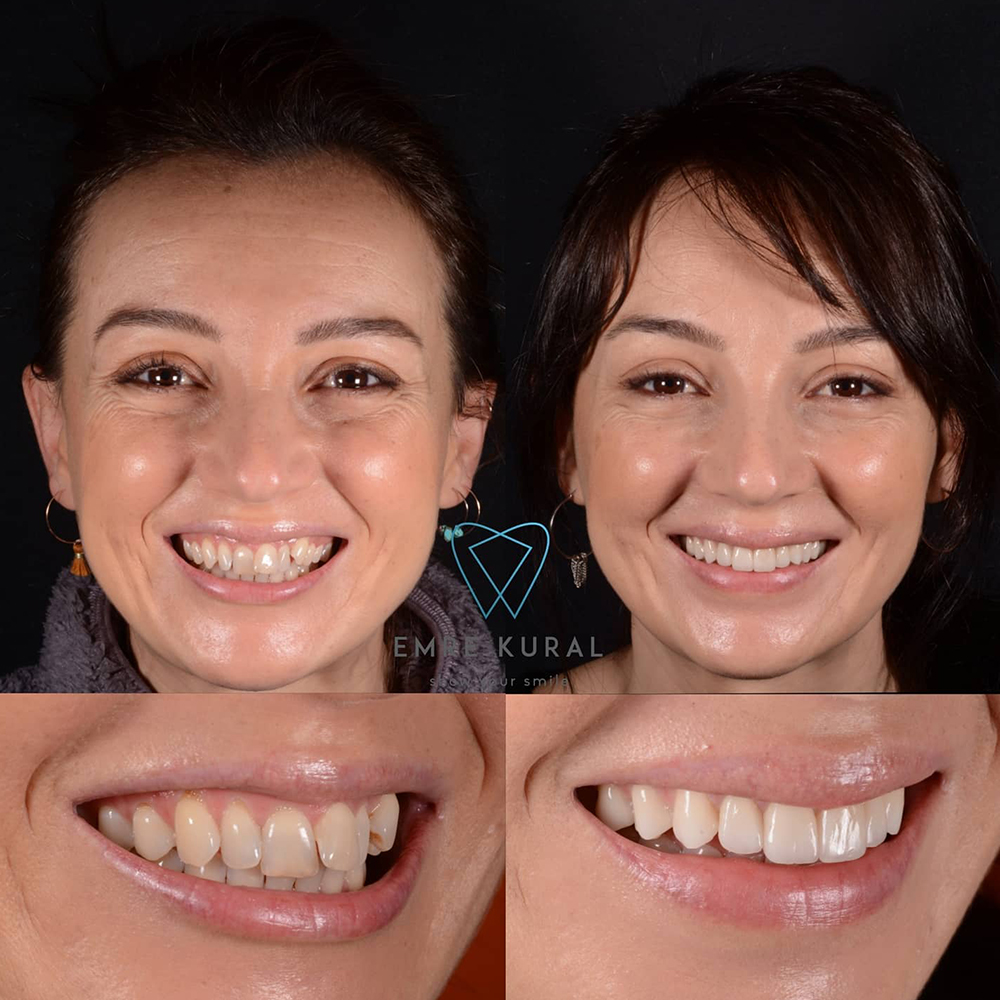
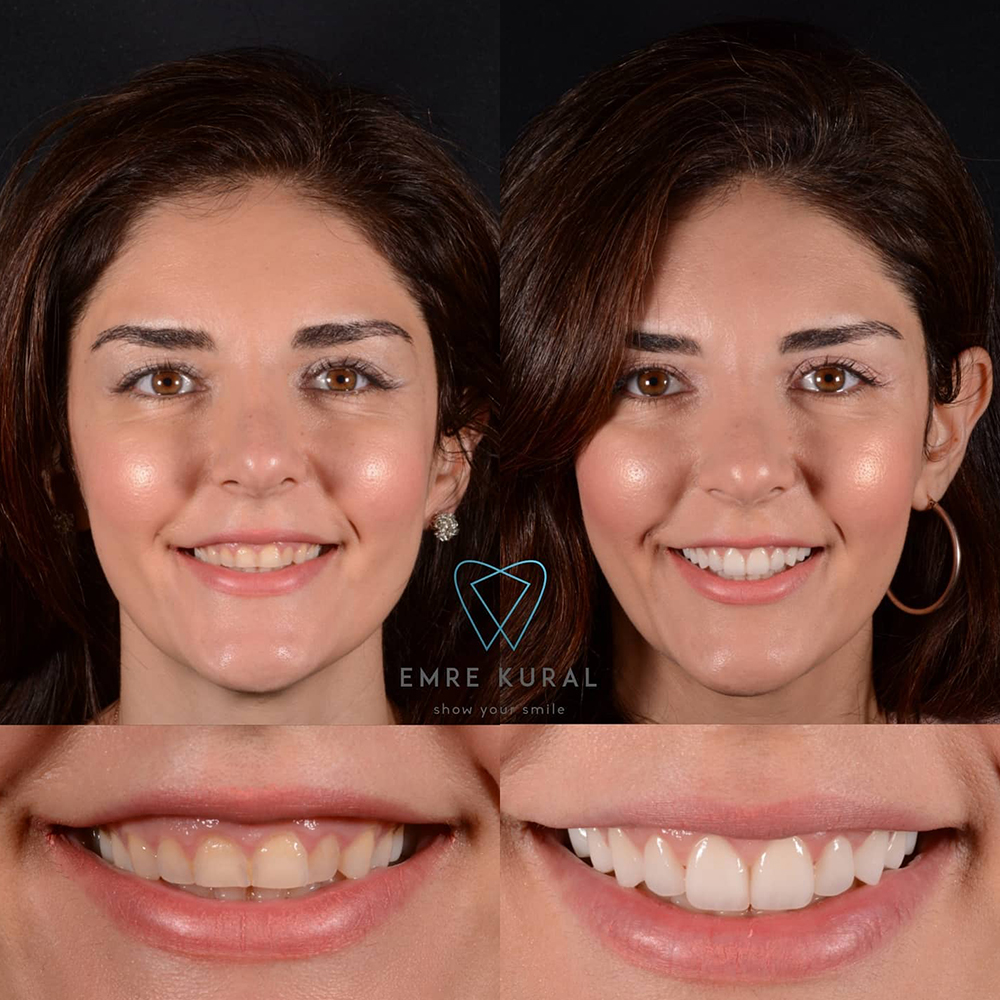
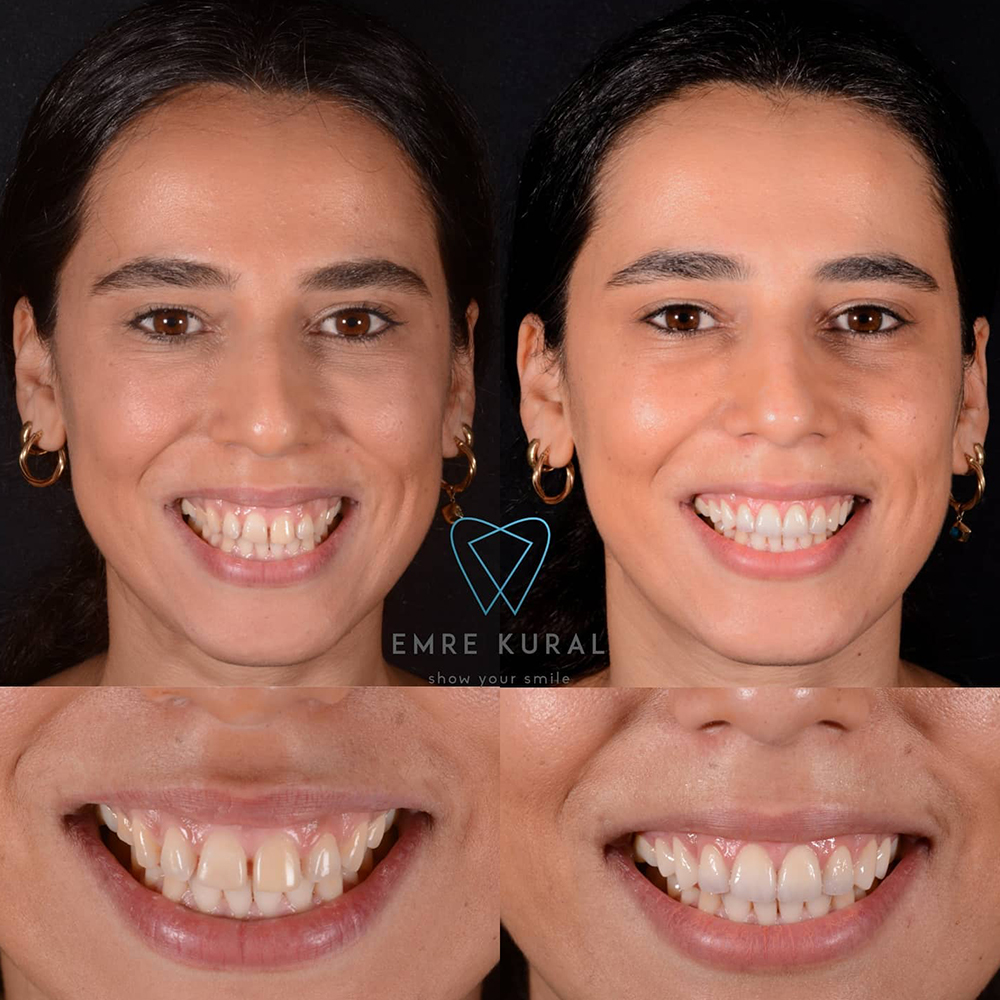
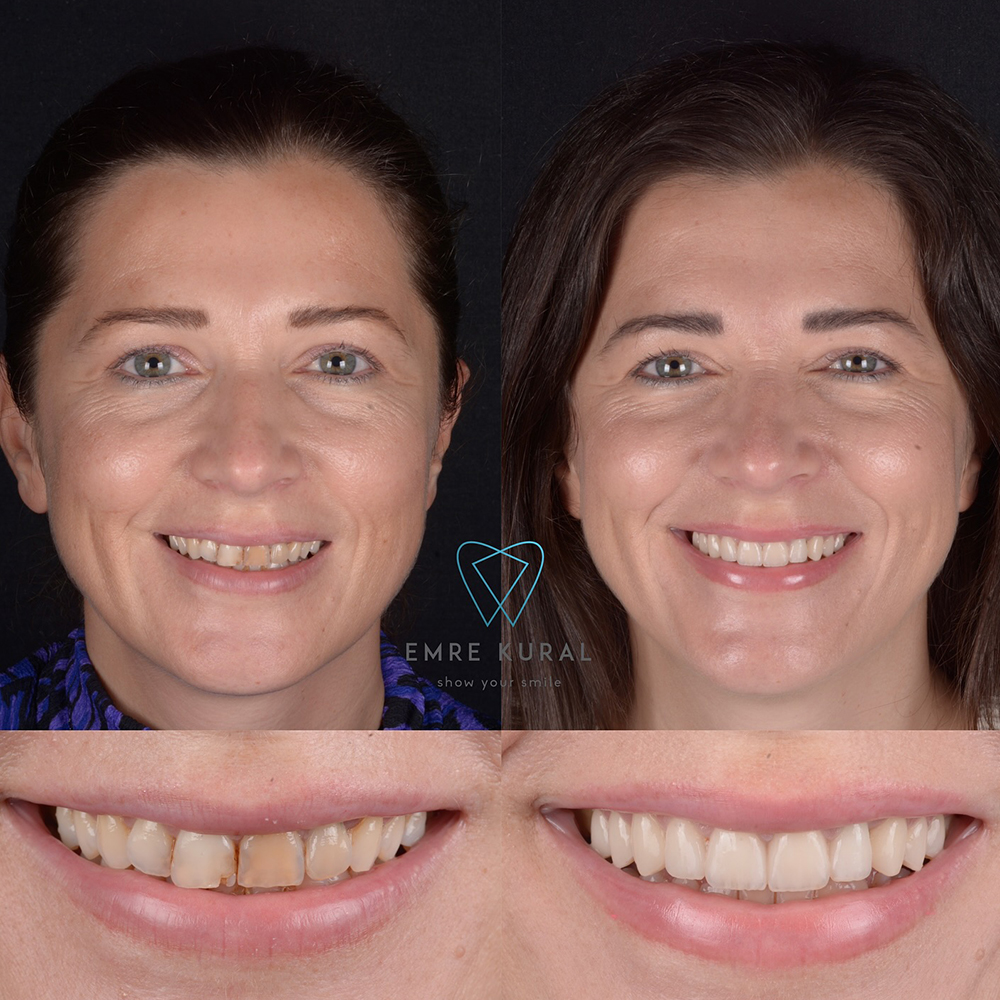
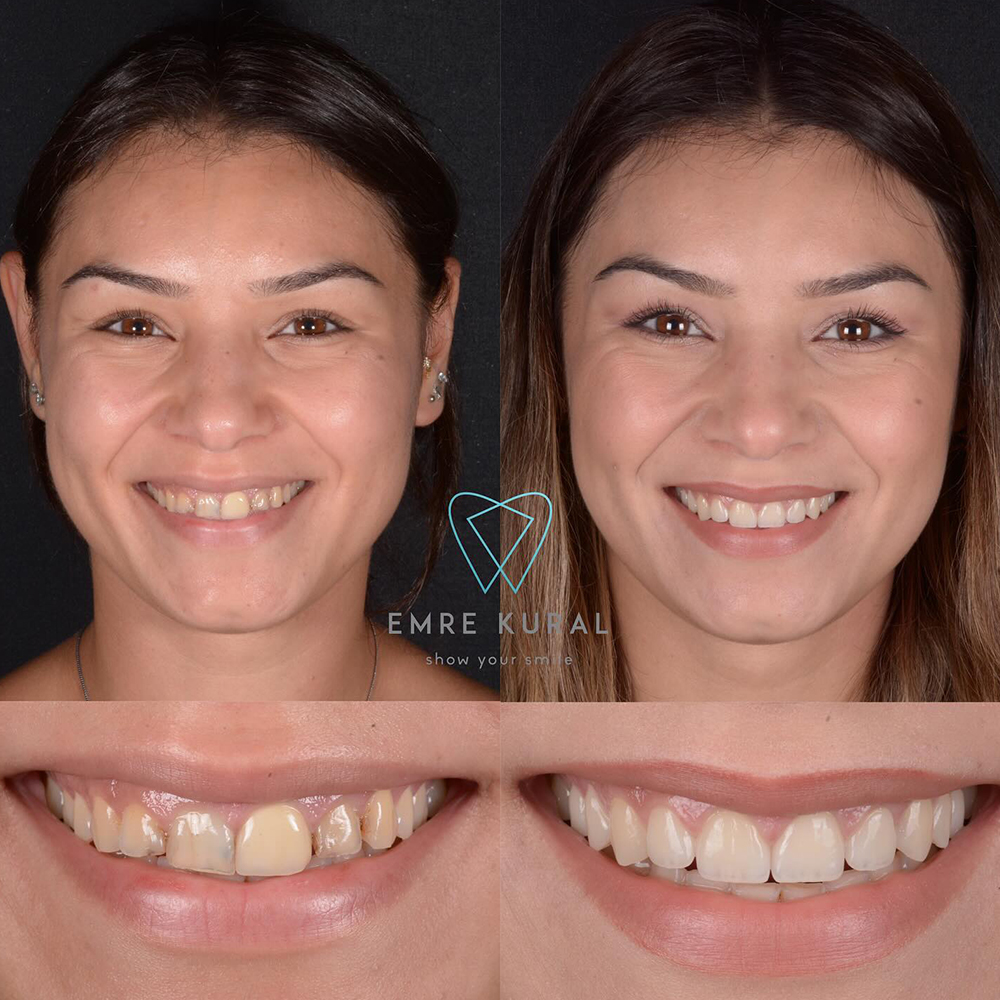
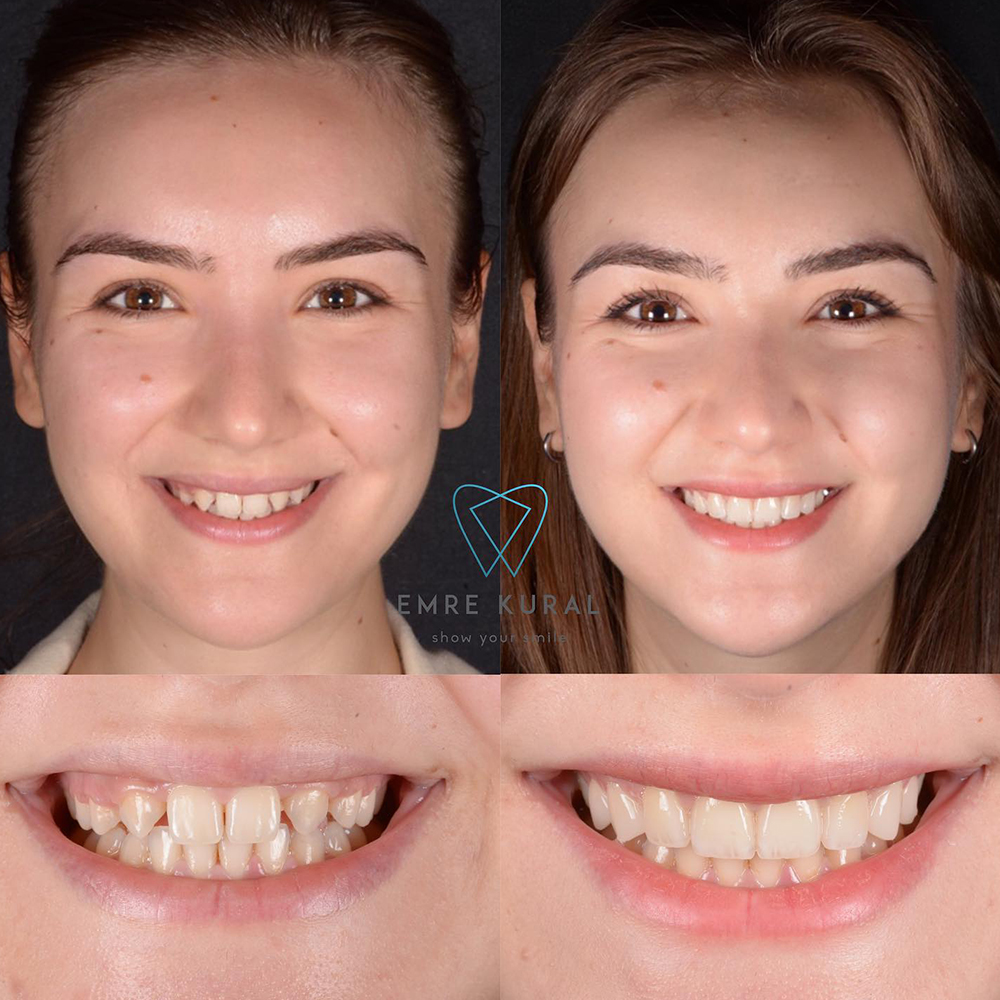
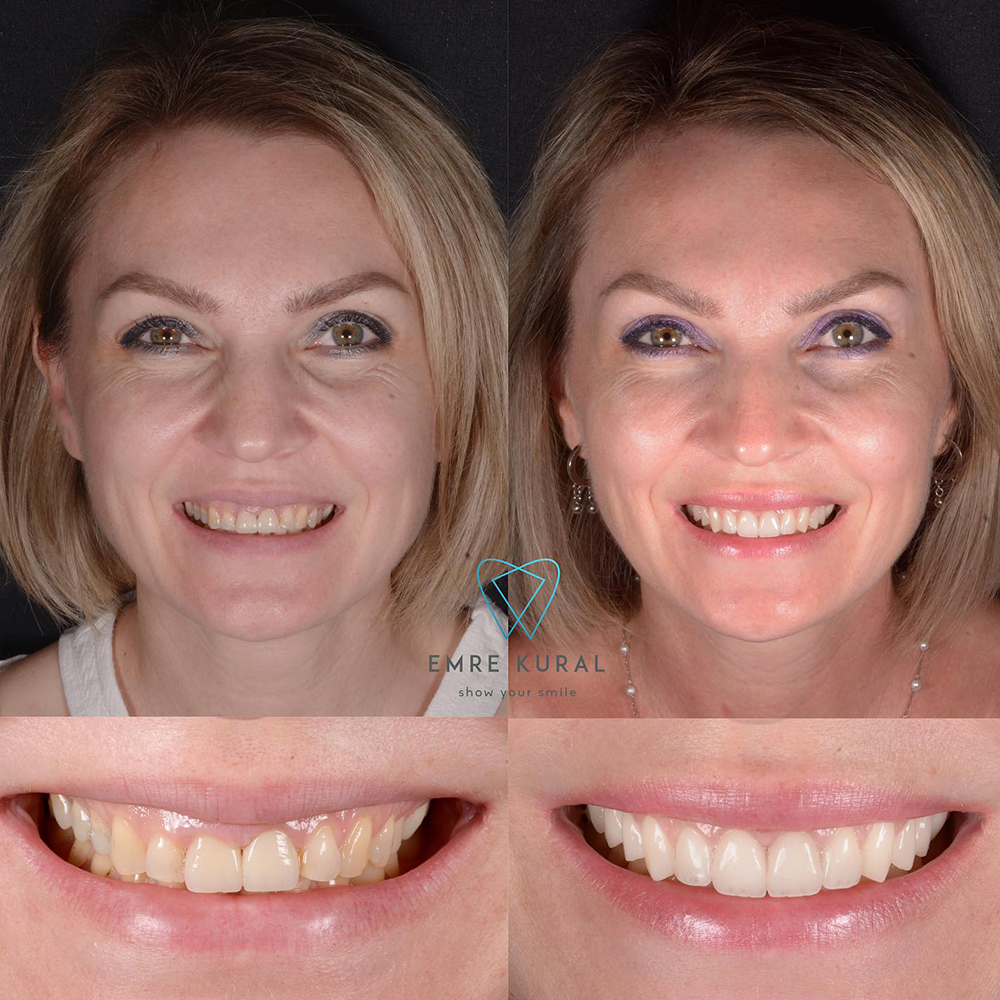
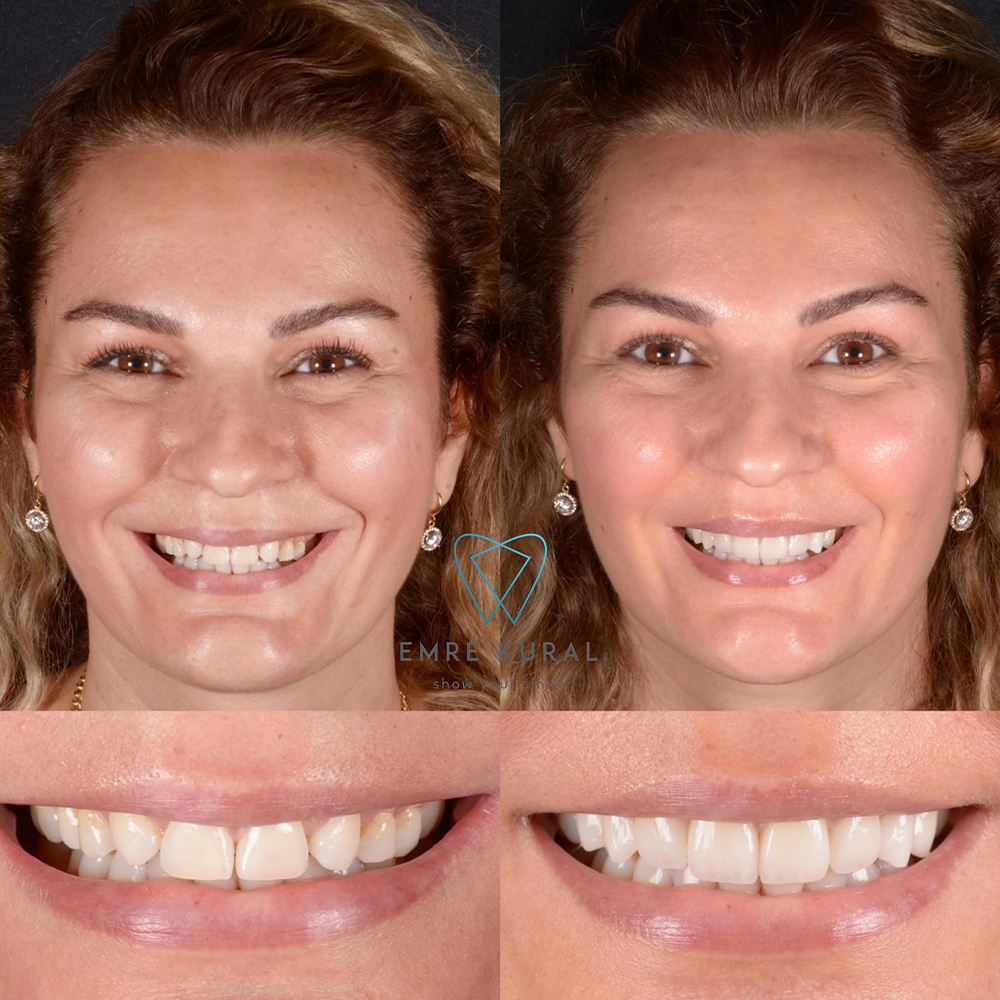
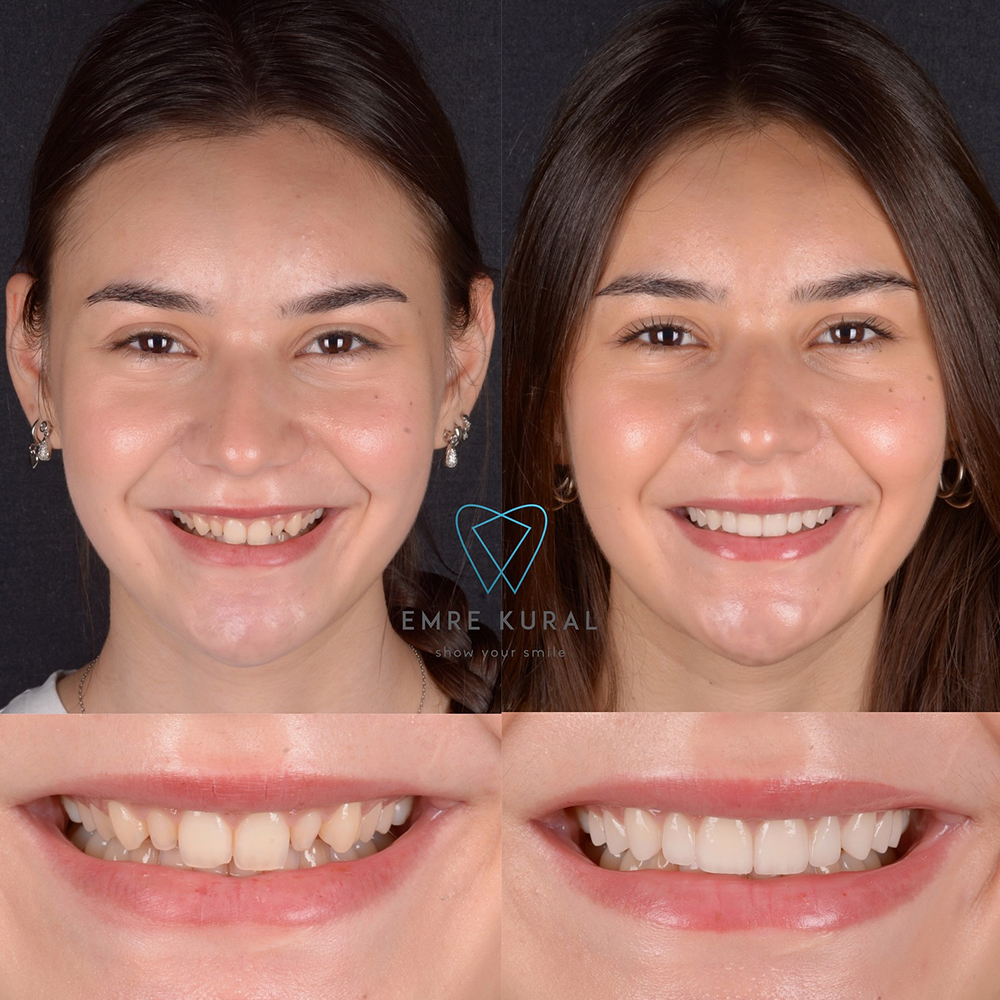
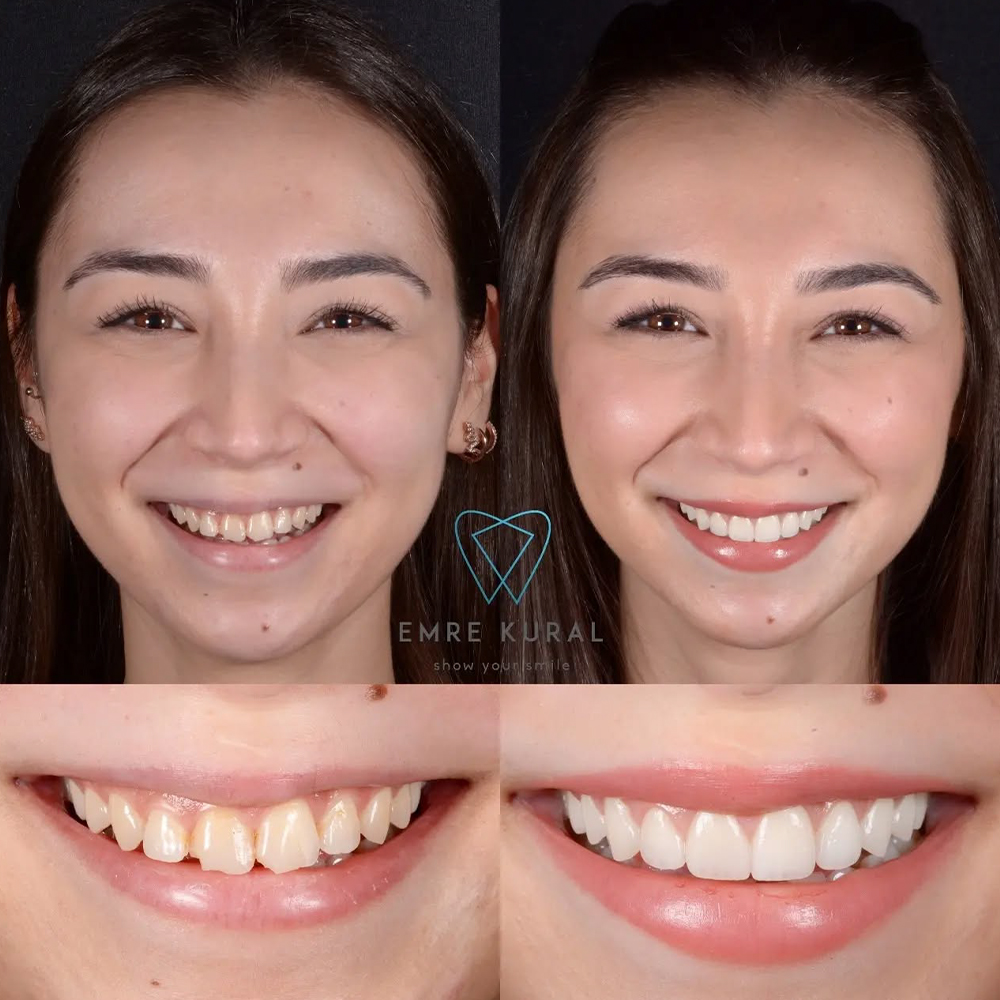
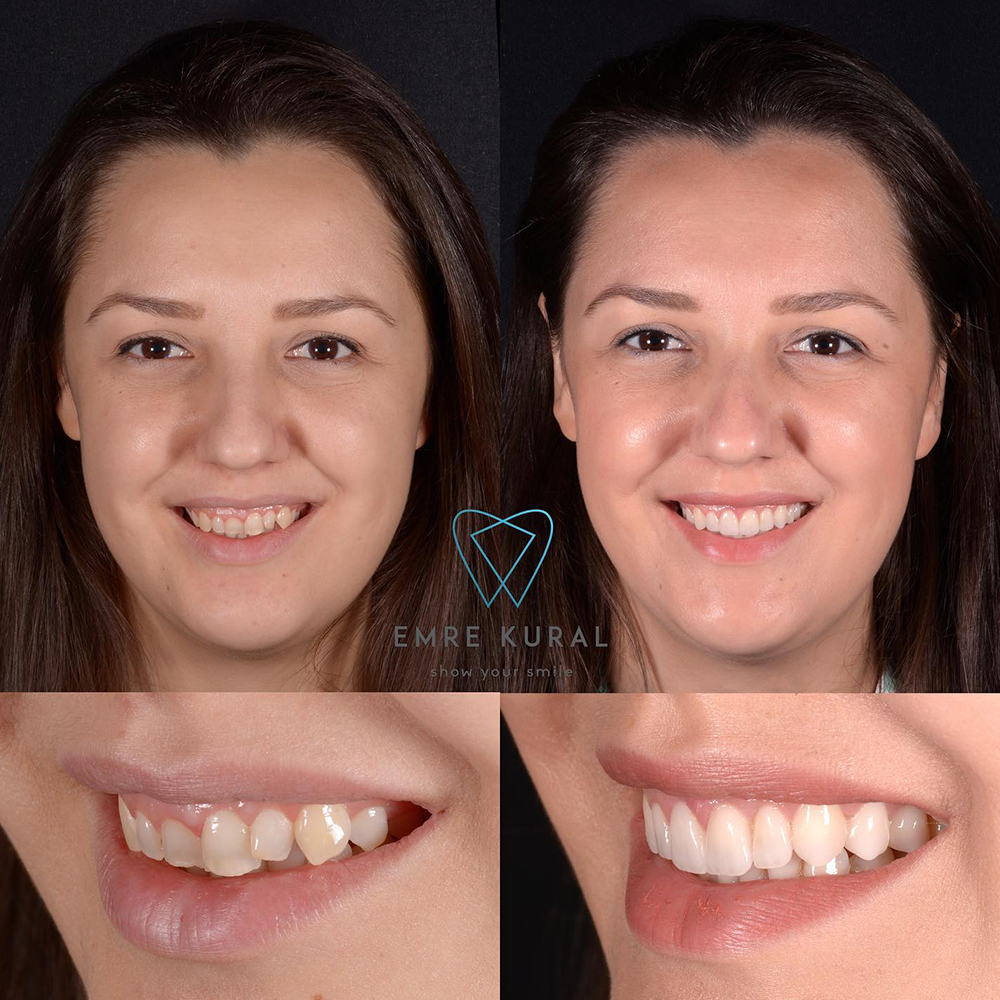
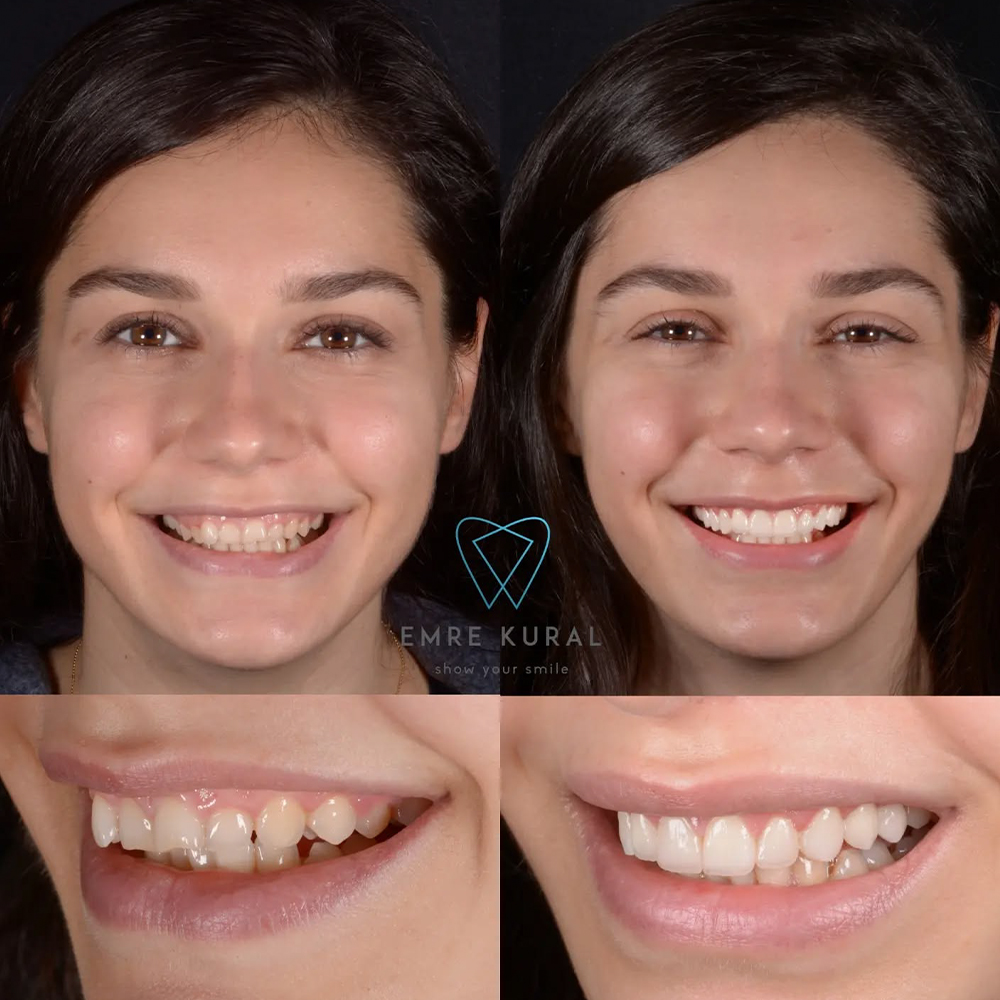
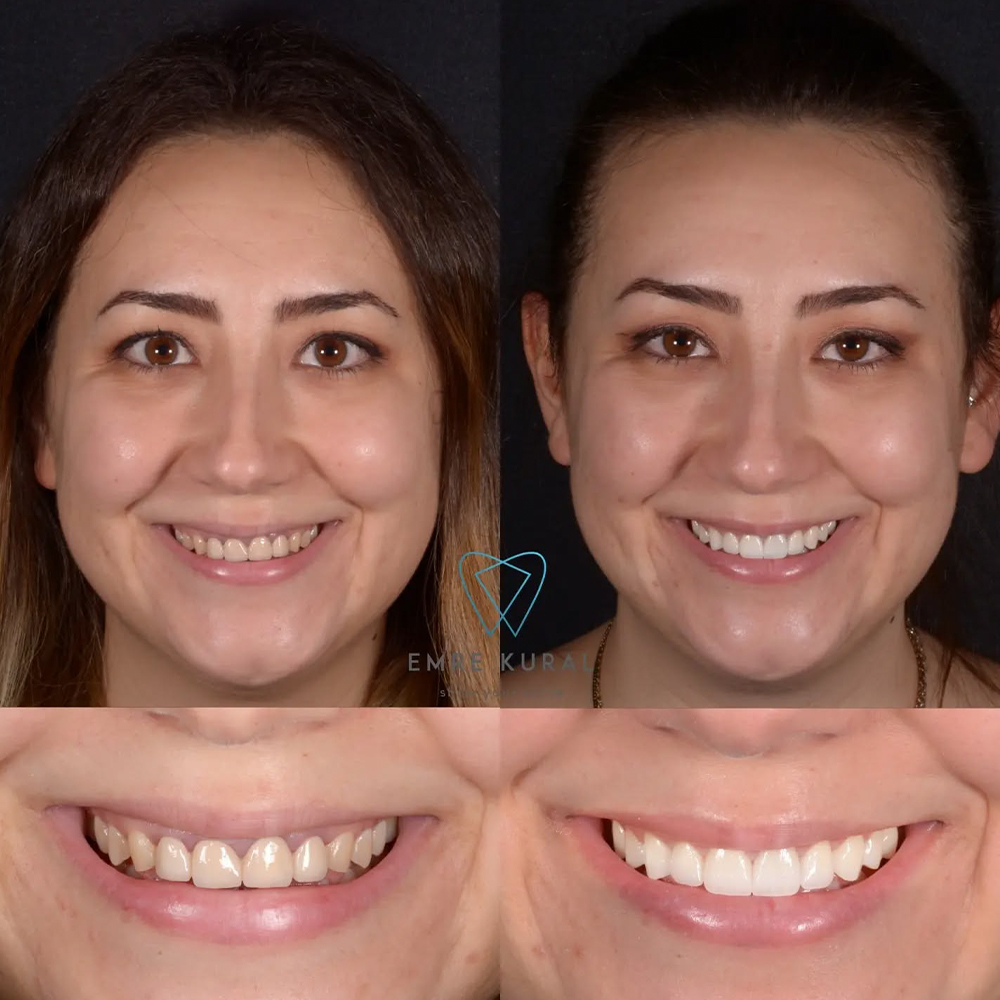
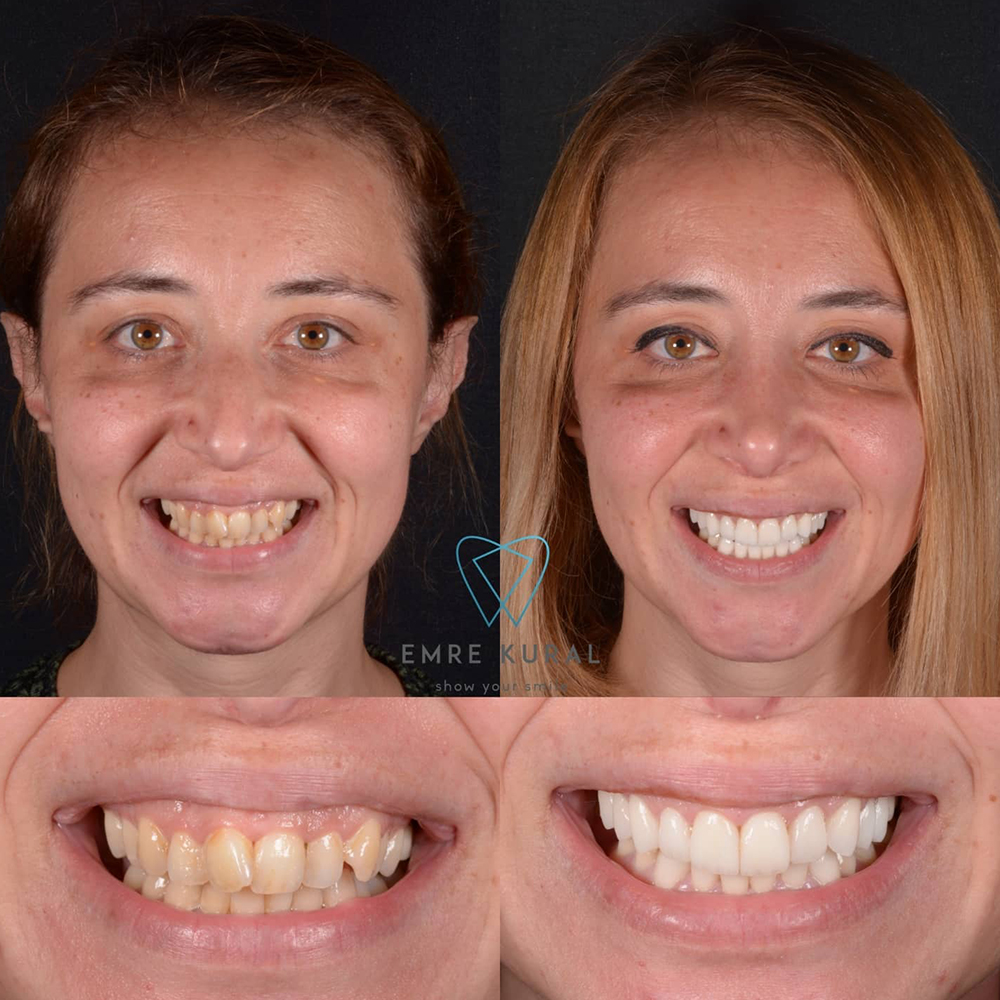
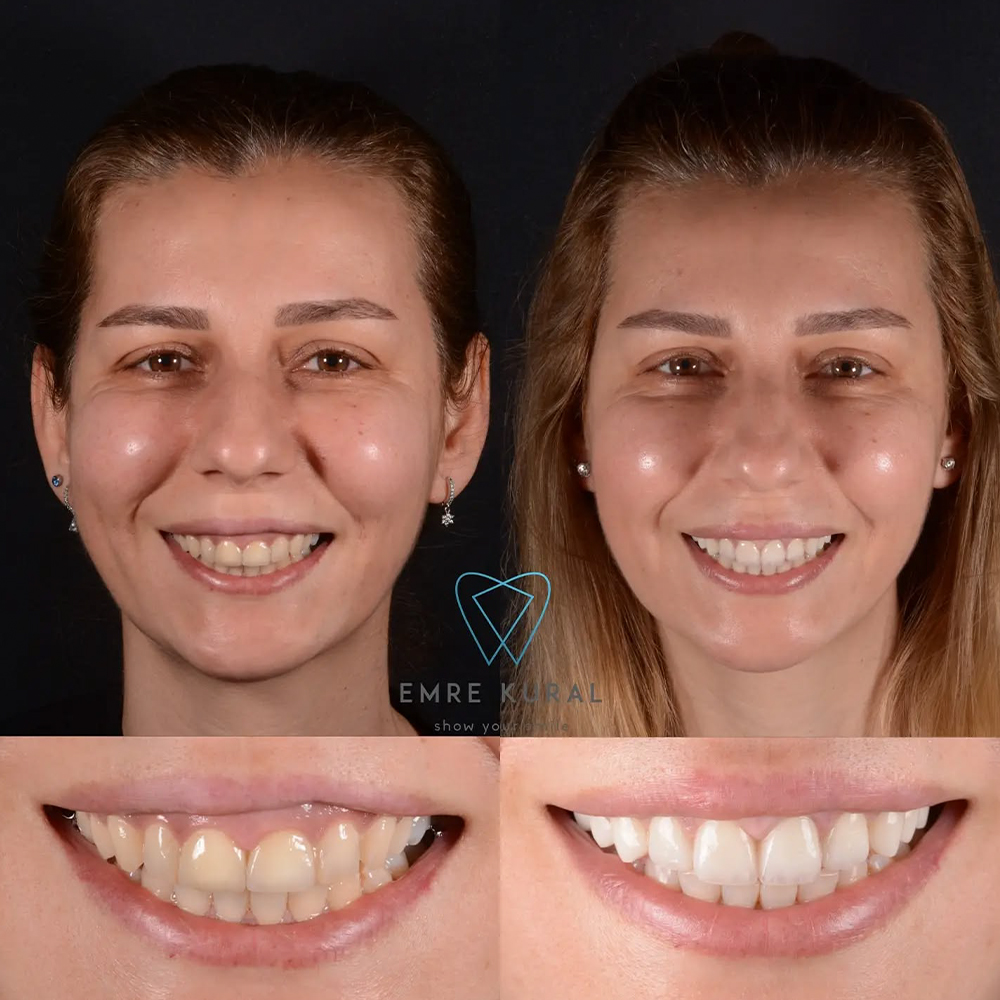
Dental crowns are among the most frequently preferred methods for restoring damaged or aesthetically problematic teeth. Today, zirconium and porcelain materials stand out among crown options. Each material has its own advantages and disadvantages. To make the right choice, it is necessary to examine the characteristics of these two materials in detail.
Dentists recommend the most suitable crown type by evaluating the patient’s aesthetic expectations, tooth position, chewing habits, and budget. In this article, we will help you make an informed decision by comparing all aspects of zirconium and porcelain crowns.
Zirconium Dental Crowns: Pros and Cons
Zirconium is a ceramic material that has rapidly gained popularity in dentistry in recent years. Also known as zirconium dioxide, this material stands out for its extraordinary durability and aesthetic properties. Particularly, not requiring a metal substructure is one of the most important features that distinguishes it from traditional crown systems.
Zirconium crowns are prepared with computer-aided design and manufacturing (CAD/CAM) technology. This ensures millimetric precision fit and maximum comfort for the patient. Thanks to its light transmittance, it offers an appearance very close to natural teeth.
The advantages of zirconium crowns are as follows:
- Since it contains no metal, no black line forms at the gum margin
- The risk of allergic reaction is minimal due to high biocompatibility
- It does not cause sensitivity as its conductivity to hot and cold is low
- It is extremely resistant to wear and fracture
- It maintains its color for many years and is resistant to staining
However, zirconium crowns also have some disadvantages. The cost is higher compared to traditional porcelain crowns. Additionally, due to its very hard structure, it can cause wear on natural teeth in the opposing jaw. The opacity of zirconium can make it difficult to achieve a completely natural appearance in some cases, especially this should be considered for front teeth.
Porcelain Dental Crowns: Pros and Cons
Porcelain crowns are a traditional restoration method that has been successfully used in dentistry for decades. Thanks to its glass-like structure, it perfectly mimics the light transmittance of natural teeth. It provides superior aesthetic results, especially in anterior region restorations.
Porcelain crowns are usually applied over a metal substructure or can be produced as all-ceramic. Metal-supported porcelain crowns are more durable, but the metal edge may become visible over time in case of gum recession. All-ceramic porcelain crowns are more aesthetic but fall behind zirconium in terms of durability.
The advantages of porcelain crowns are as follows:
- It offers the closest light transmittance to natural tooth enamel
- Excellent aesthetic results are achieved in terms of color and shape
- It is a more economical option compared to zirconium
- It has less abrasive effect on teeth in the opposing jaw
- It has proven clinical success for many years
The disadvantages of porcelain crowns should not be overlooked. It has a more fragile structure compared to zirconium and carries a risk of cracking, especially in posterior teeth. Allergic reactions may occur in metal-supported versions. Additionally, it may undergo color changes over time and may stain due to surface roughening.
Differences Between Zirconium and Porcelain Teeth
Understanding the fundamental differences between the two materials is key to making the right choice. When evaluated in terms of durability, zirconium performs much better than porcelain. The flexural strength of zirconium is approximately twice that of porcelain. For this reason, zirconium is preferred in patients with teeth clenching or grinding habits.
From an aesthetic perspective, the situation is a bit more complex. Porcelain better mimics the translucent structure of natural teeth and offers extremely natural results, especially in front teeth. Zirconium, with its new generation versions developed in recent years, has come very close to porcelain aesthetically.
Regarding biocompatibility, both materials are safe, but zirconium is definitely a safer option for patients with metal allergies. Allergic reactions to nickel or other metals can occur, albeit rarely, in metal-supported porcelain crowns.
The main differences between the two materials:
- Zirconium is more durable, porcelain is more aesthetic
- Zirconium contains no metal, metal-porcelain crowns have a metal substructure
- Zirconium is gum-friendly, porcelain is superior in light transmittance
- Zirconium is more expensive, porcelain is more economical
- Zirconium is more often preferred for posterior teeth, porcelain for anterior teeth
There are also differences in terms of production technology. While zirconium crowns are produced with digital technologies, traditional porcelain crowns are manually shaped layer by layer. This is an important factor that affects both production time and precision.
Which Is the Best Choice for You?
Making the right crown choice requires evaluating multiple factors together. Every patient’s oral structure, expectations, and lifestyle are different. Therefore, it is not possible to give a one-size-fits-all answer. However, certain criteria can facilitate your decision-making process.
If you are having restoration done for your front teeth and aesthetics is your priority, all-ceramic porcelain crowns can be an excellent choice. For those seeking naturalness in their smile, the light transmittance of porcelain provides a great advantage. On the other hand, if you need a strong restoration for your posterior teeth, zirconium stands out with its superior durability.
If you have bruxism, meaning a teeth clenching problem, zirconium crowns are definitely a more suitable choice. The risk of porcelain fracturing is quite high in these patients. Similarly, in bridge applications, the mechanical durability of zirconium is a reason for preference.
If you have a metal allergy or are uncomfortable with having metal in your body, zirconium is the ideal option for you. Thanks to its completely metal-free structure, biocompatibility concerns are eliminated.
Budget is also an important decision factor. Porcelain crowns are generally more economical than zirconium. However, considering long-term durability, it should be noted that zirconium may reduce replacement costs.
You can contact us for the most accurate decision. After detailed examination and X-ray evaluation, the most suitable material for your oral structure will be determined. Remember that the right choice means a healthy and aesthetic smile for years to come.
Frequently Asked Questions
1) Does a zirconium crown or a porcelain crown last longer?
Zirconium crowns generally last longer than porcelain crowns due to their superior durability. With proper care and regular dental check-ups, zirconium crowns can be used for 15-20 years or more. The average lifespan of porcelain crowns varies between 10-15 years. However, the lifespan of both materials varies depending on the patient’s oral hygiene habits, chewing force, and parafunctional habits such as teeth clenching.
2) Will my teeth be sensitive after getting a zirconium or porcelain crown?
It is normal to feel slight sensitivity for the first few days after crown application. This usually resolves on its own within a week. Zirconium crowns cause less sensitivity to hot and cold due to their low thermal conductivity. In metal-supported porcelain crowns, sensitivity may be slightly more pronounced due to the thermal conductivity of the metal substructure. If prolonged or severe sensitivity is experienced, it is recommended to consult a dentist.
3) Are zirconium and porcelain crowns affected by whitening treatment?
Both zirconium and porcelain crowns are not affected by teeth whitening procedures. These materials maintain the color determined during the production stage, and whitening gels have no effect on them. Therefore, if you are considering teeth whitening, it is recommended to do this procedure before getting a crown. This way, your crown can be prepared to match the color of your whitened teeth, achieving a homogeneous appearance.
4) Can the tooth under a zirconium or porcelain crown decay?
The tooth under the crown can decay if proper care is not maintained. The junction point between the crown and the tooth is a risky area for bacterial accumulation. In case of insufficient oral hygiene, decay can form in this area and progress under the crown. To minimize this risk, it is of great importance to brush teeth twice a day, use dental floss, and attend regular dental check-ups. The better the margin fit of a quality crown, the lower the risk of decay.
5) How much is the price difference between zirconium and porcelain crowns?
Zirconium crowns are generally more expensive than porcelain crowns due to advanced production technology and material costs. The price difference can vary on average between 30% and 50%. However, prices differ depending on the city where the clinic is located, the dentist’s experience, the brand of material used, and the number of crowns to be made. Considering long-term durability and replacement costs, the initial high cost of zirconium may balance out over time.