 Deutsch
 Türkçe
Root canal treatment is a procedure that ensures the preservation of the tooth’s natural structure by cleaning the infected or damaged nerve tissue inside the tooth. Thanks to this treatment, a tooth that could cause serious problems such as pain and infection can be kept in the mouth without being completely lost. Root canal treatment is extremely important both functionally and aesthetically, especially for teeth weakened due to advanced cavities, trauma, and long-term bacterial damage. Today, thanks to modern dentistry technologies, root canal treatment can be performed more comfortably, quickly, and with high success rates.
What Is Root Canal Treatment?
Root canal treatment is a procedure performed when the pulp tissue located inside the tooth becomes infected, inflamed, or irreversibly damaged. Pulp tissue consists of vessels, nerves, and connective tissue. This structure keeps the tooth alive and supports the developmental period. However, conditions such as deep cavities, traumas, fractures, or advanced enamel-dentin loss can lead to infection in the pulp.
Infected pulp tissue can eventually cause severe pain, throbbing sensation, sensitivity during chewing, and abscess formation. With root canal treatment, this infected tissue is completely cleaned, the canals are shaped, and sealed with special filling materials. Thus, both the spread of infection is prevented and the tooth continues to function healthily in the mouth. Root canal treatment, when applied with the correct technique, is a highly successful treatment that can usually be used for many years.
In Which Situations Is Root Canal Treatment Required?
Root canal treatment is especially necessary in the following situations:
1-Deep Tooth Cavities
Cavities passing through the enamel and dentin layers to reach the pulp is the most common reason for root canal treatment. The progression of bacteria to the pulp tissue leads to severe pain and inflammation.
2-Trauma-Related Damages
Accidents, impacts, or sports injuries can cause the tooth nerve to die or cracks to form. When the nerve loses its vitality, blood circulation is cut off and the risk of infection increases.
3-Tooth Fractures
Fractures exceeding the enamel or dentin level can cause the pulp tissue to be exposed. The exposed pulp becomes infected over time and requires root canal treatment.
4-Long-Lasting Pain in the Tooth
Symptoms such as throbbing pain when chewing, prolonged sensitivity to hot-cold contact, and pain that wakes you up from sleep at night are harbingers of pulp infection.
5-Abscess and Swelling Formation
Inflammation accumulated at the root tip can spread to surrounding tissues. In case of swelling in the facial area, emergency root canal treatment may be required.
6-Infections Due to Gum Diseases
In advanced periodontitis cases, bacteria can progress from the root tip to the pulp. Root canal treatment may also be required in this situation.
Early detection of these conditions makes the treatment both easier and more successful. In delayed cases, results that can lead to tooth loss may be seen.
How Is Root Canal Treatment Performed?
Root canal treatment has become much more comfortable with the development of modern dental technologies. Treatment is usually completed in 1–2 sessions and is performed with the following steps:
1-Clinical Examination and Radiographic Evaluation
First, the patient’s complaints are listened to, a detailed intraoral examination is performed, and an X-ray is taken to see the root structure of the tooth. The degree of infection spread, the structure of root canals, and the depth of decay are evaluated at this stage.
2-Local Anesthesia Application
The area is numbed with local anesthesia to make the procedure completely painless. This way, the patient does not feel any discomfort during the treatment.
3-Cleaning of Decay and Infected Tissue
The upper part of the tooth is opened and decayed tissues are cleaned. Then, canal entrances are determined with special instruments.
4-Shaping of Root Canals
Root canals are cleaned and shaped using canal files. At this stage, the infected pulp is completely removed. Thanks to modern rotary systems, this process is done extremely quickly and effectively.
5-Intracanal Disinfection
Root canals are washed with antibacterial solutions and made completely sterile. The absence of microorganisms is critical for the success of the treatment.
6-Canal Filling
The shaped canals are filled with a biocompatible material called gutta-percha. This prevents re-infection from occurring.
7-Upper Restoration
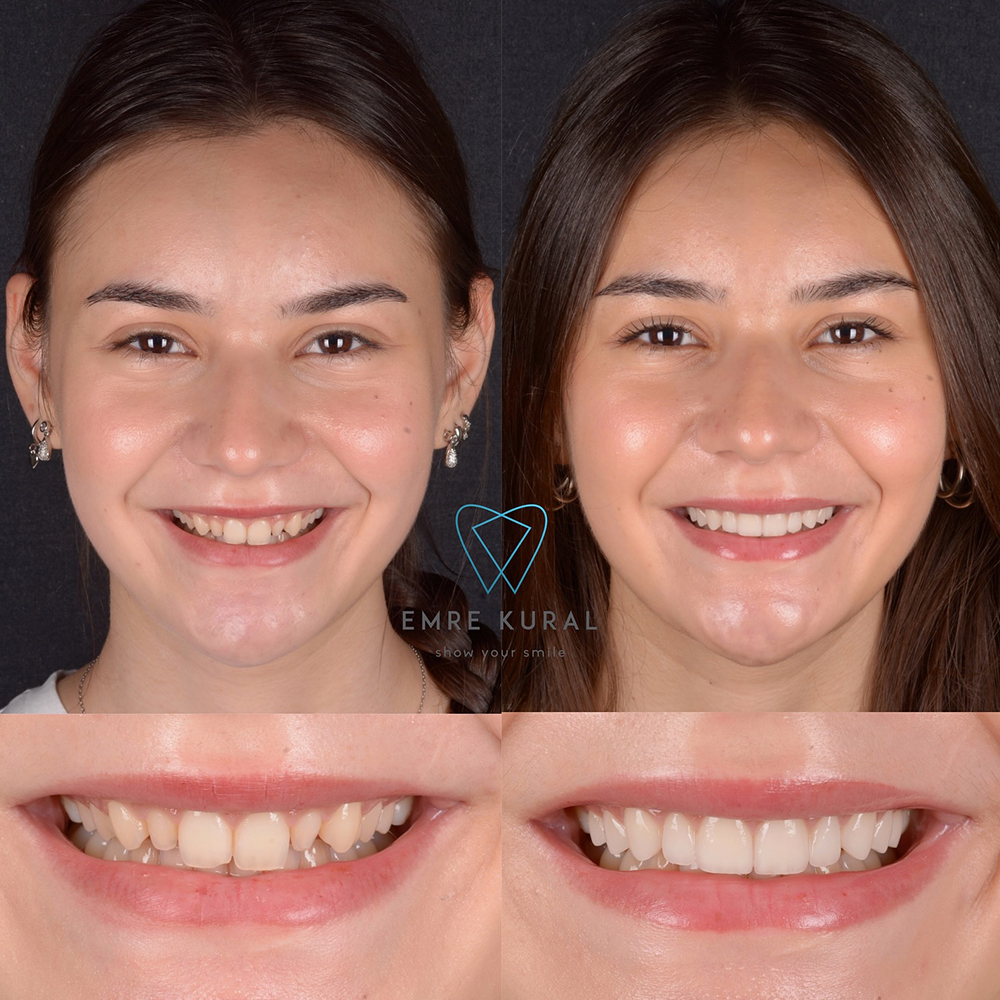
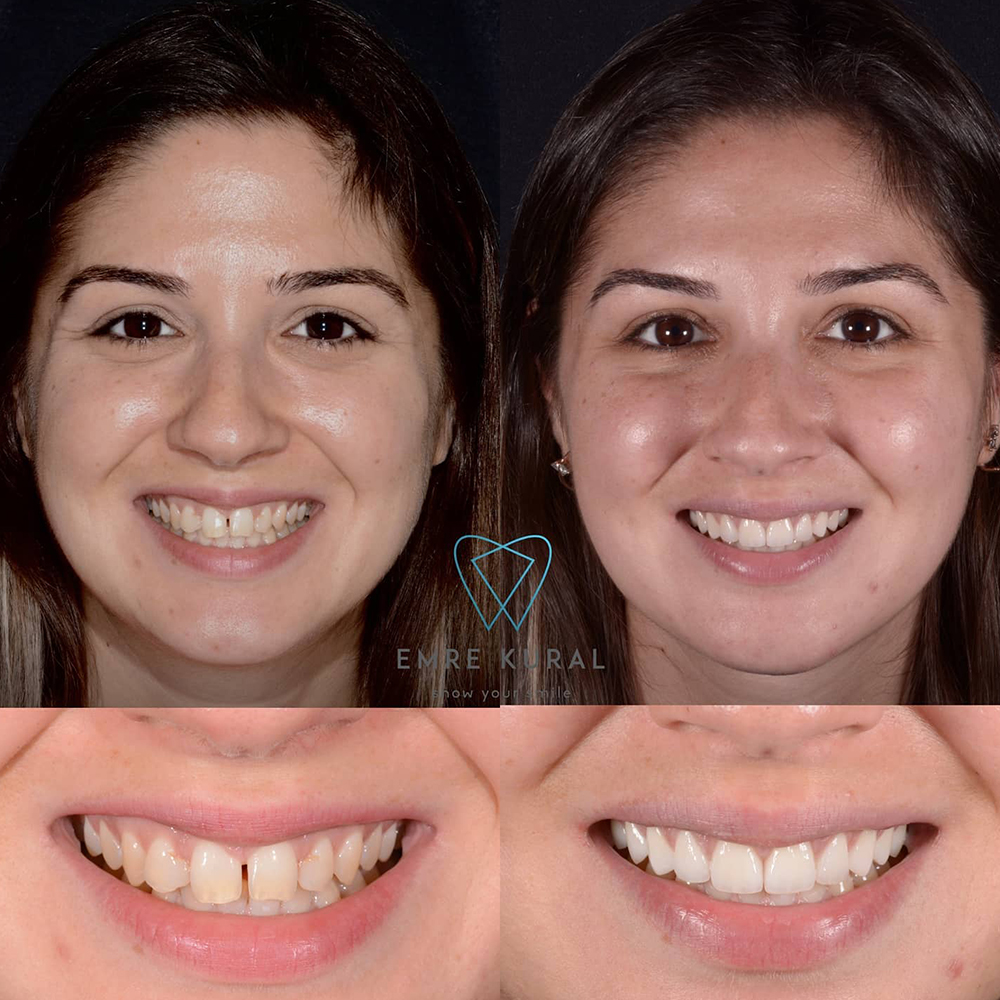
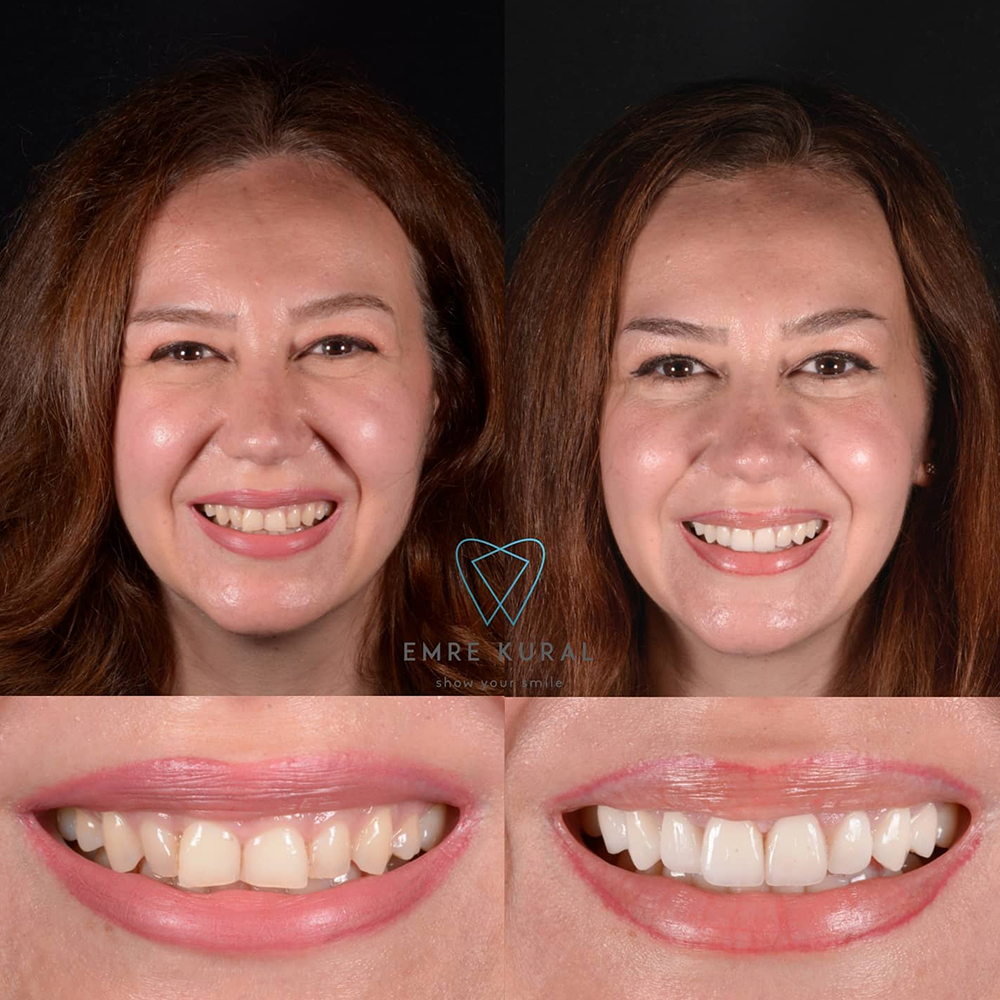
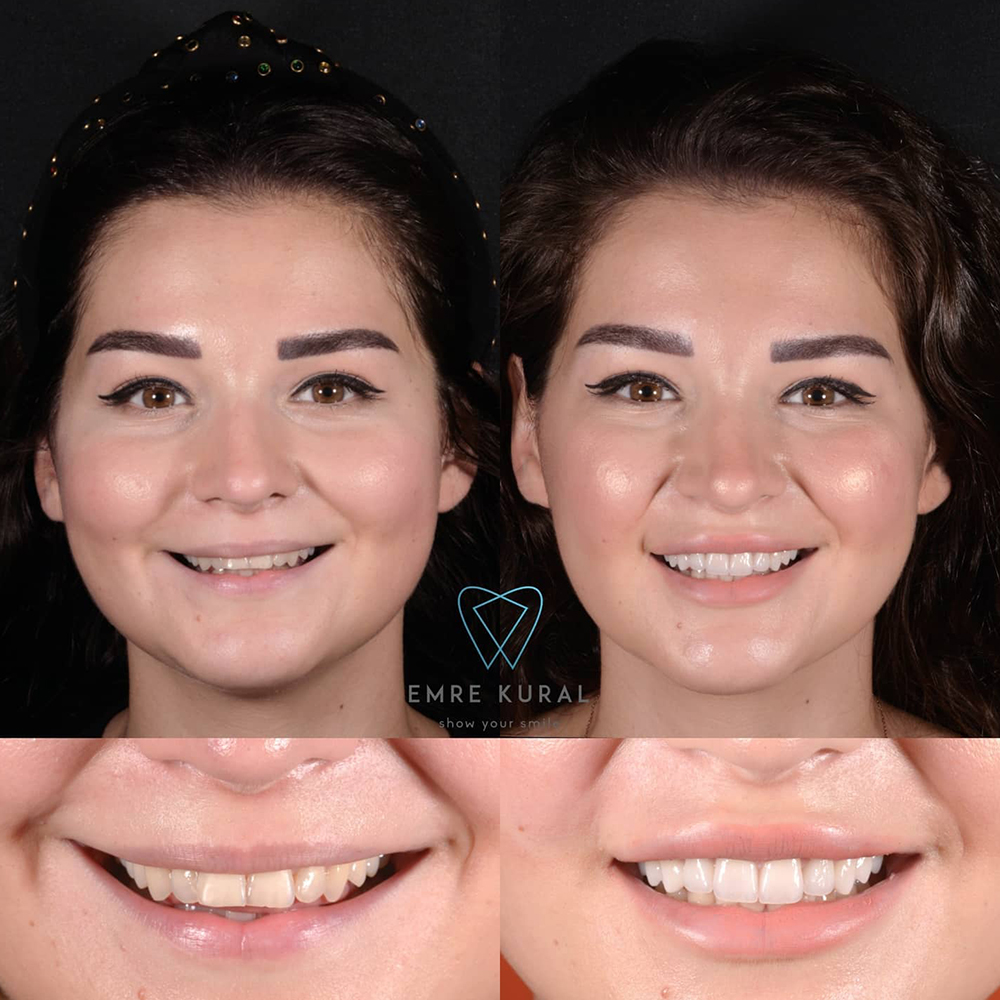
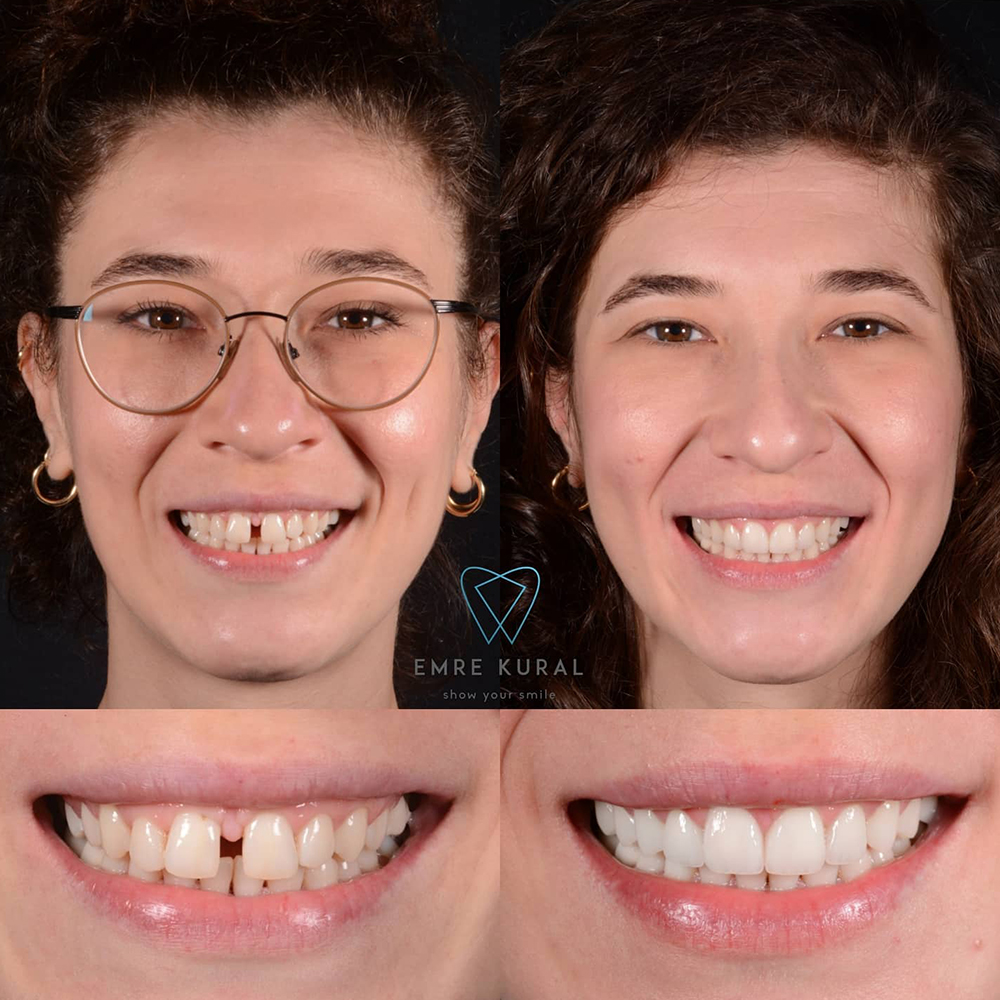
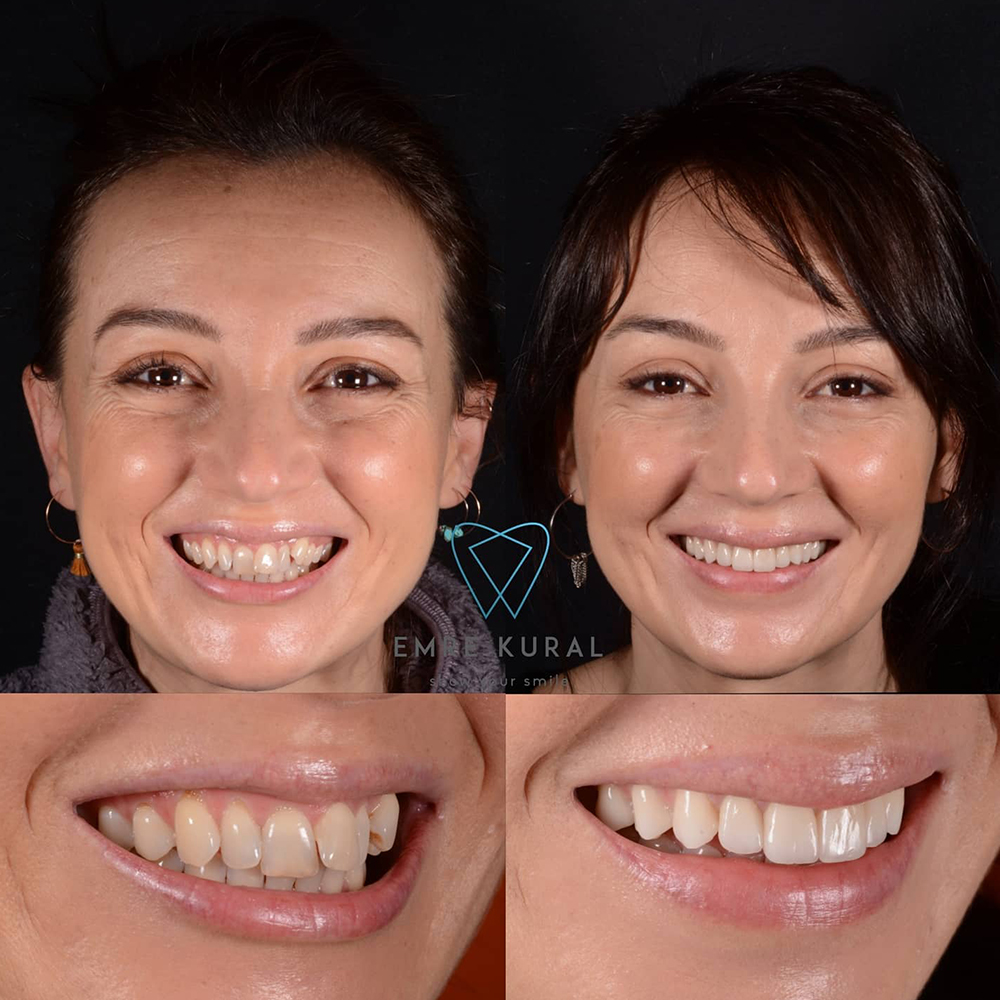
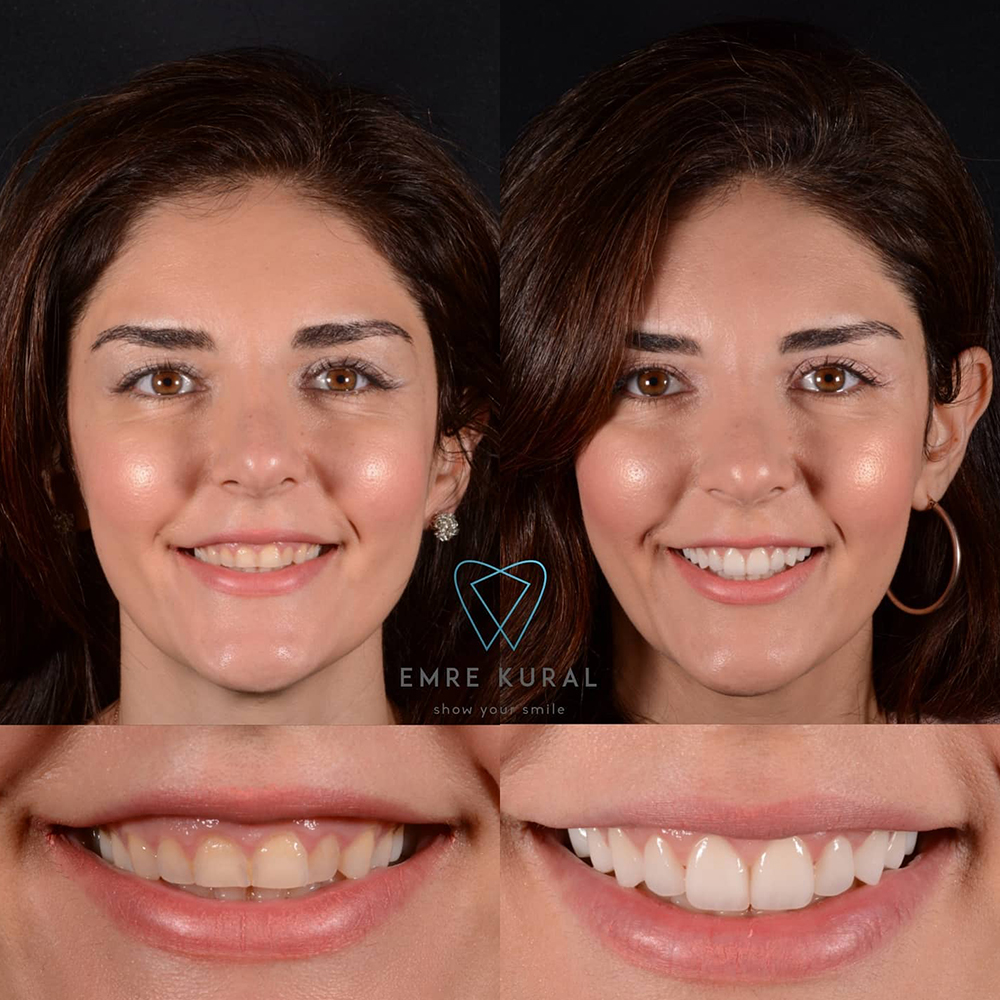
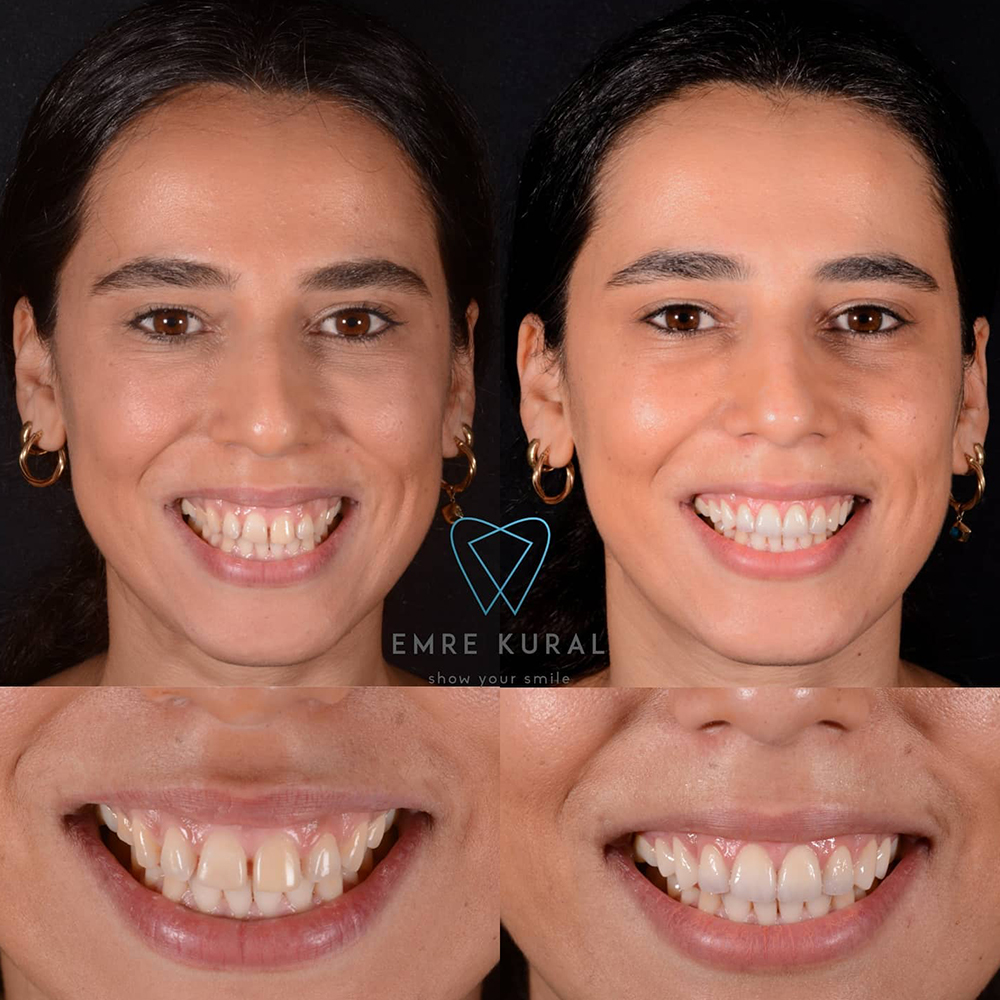
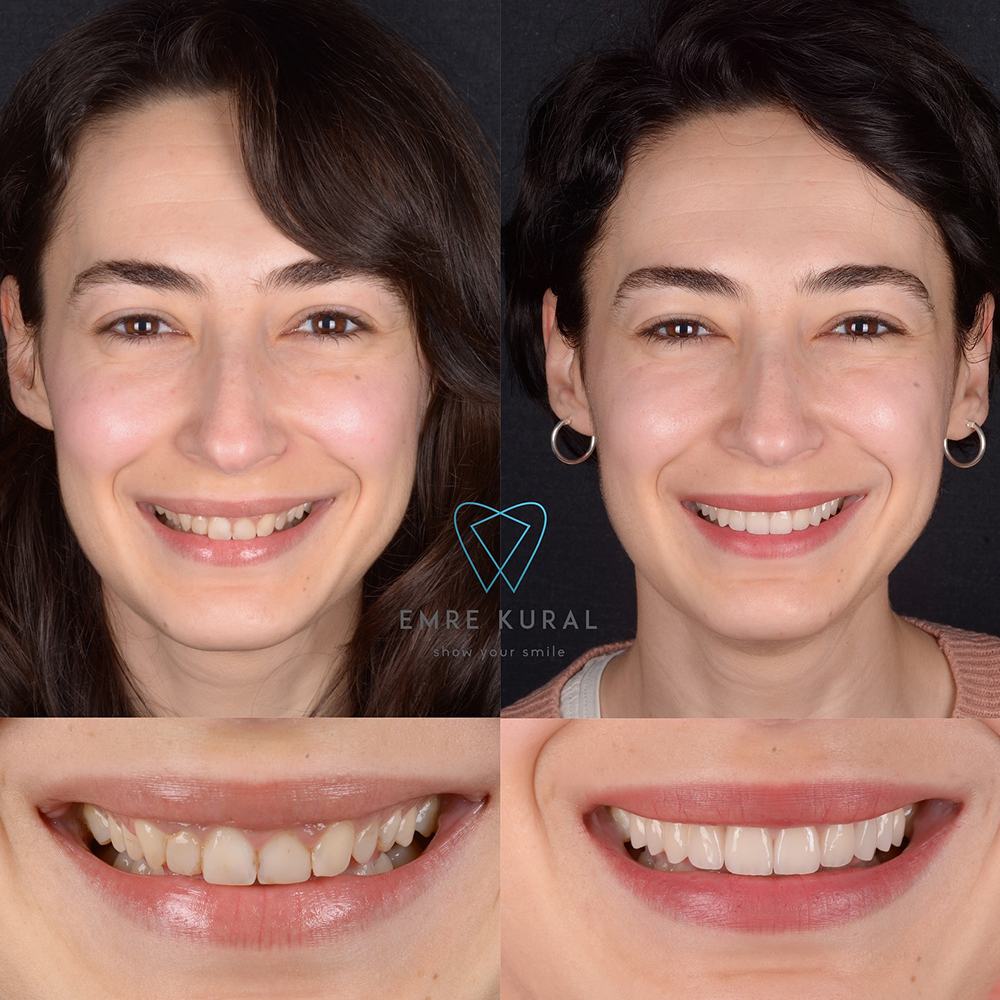
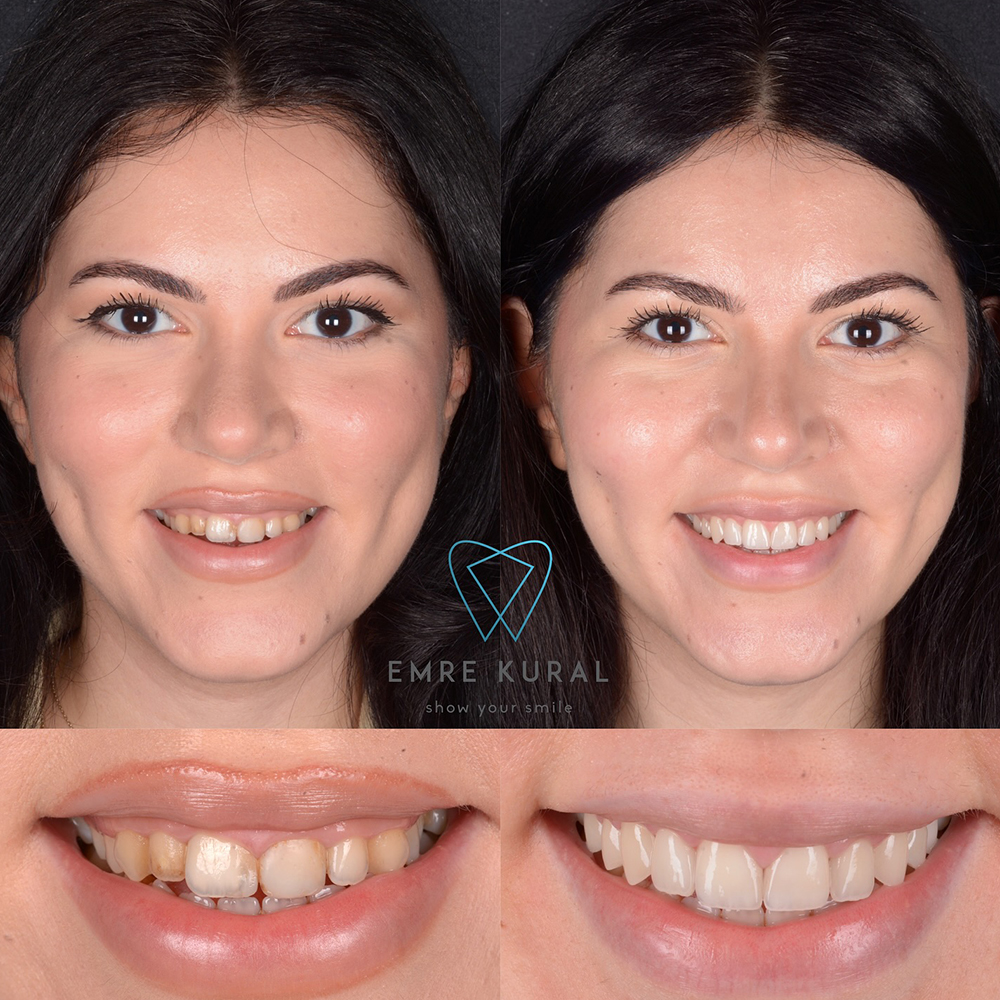
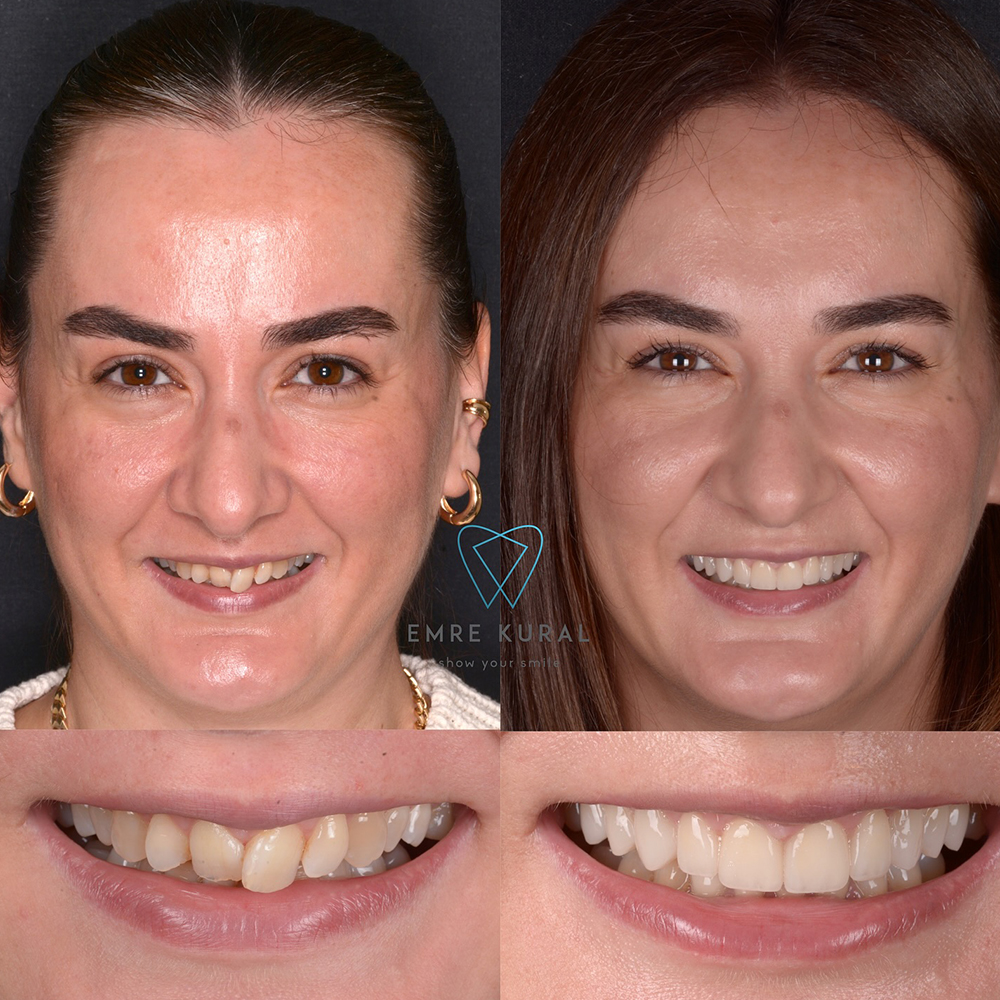
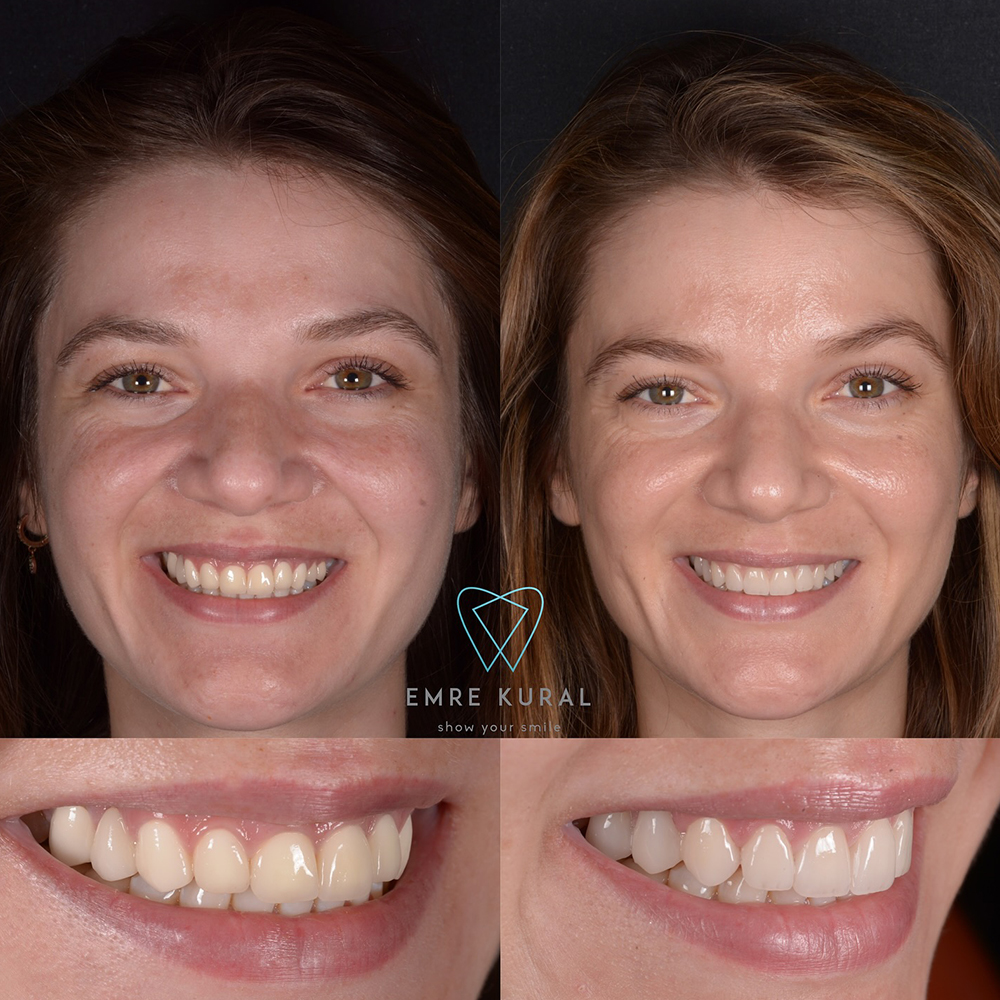
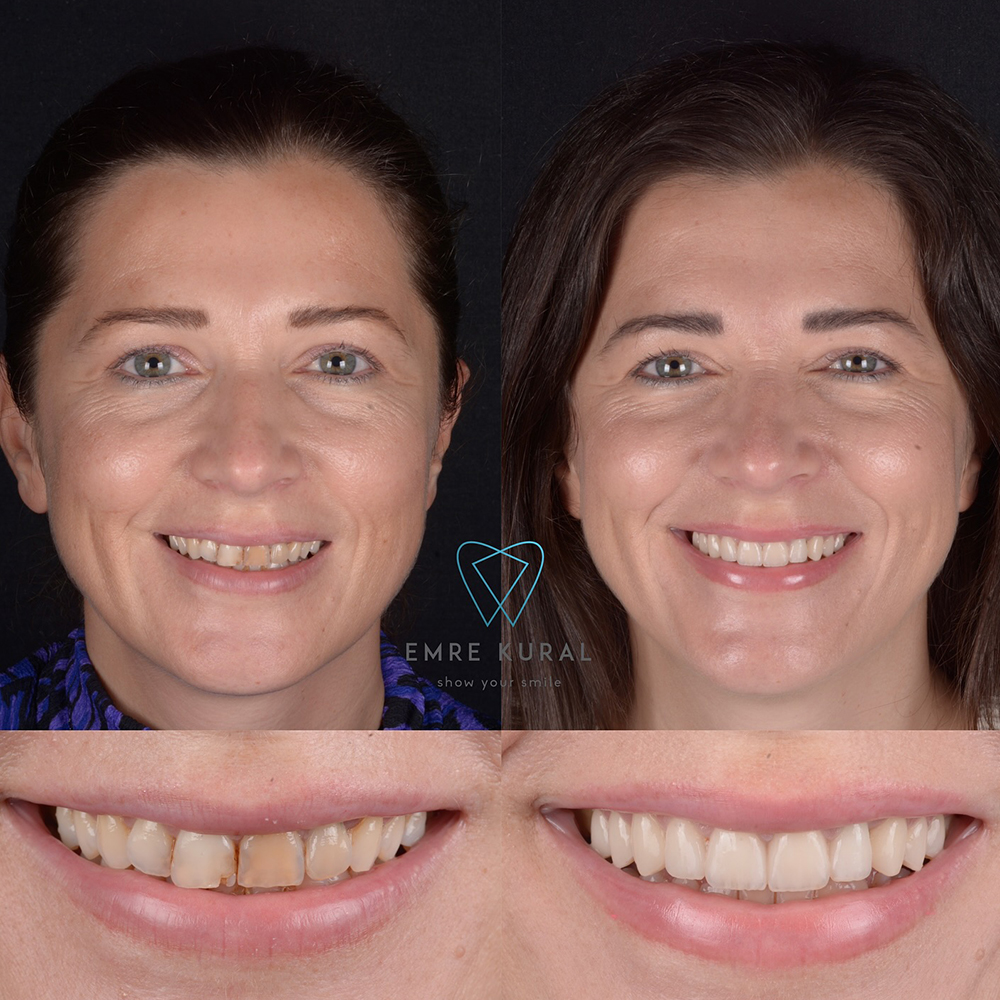
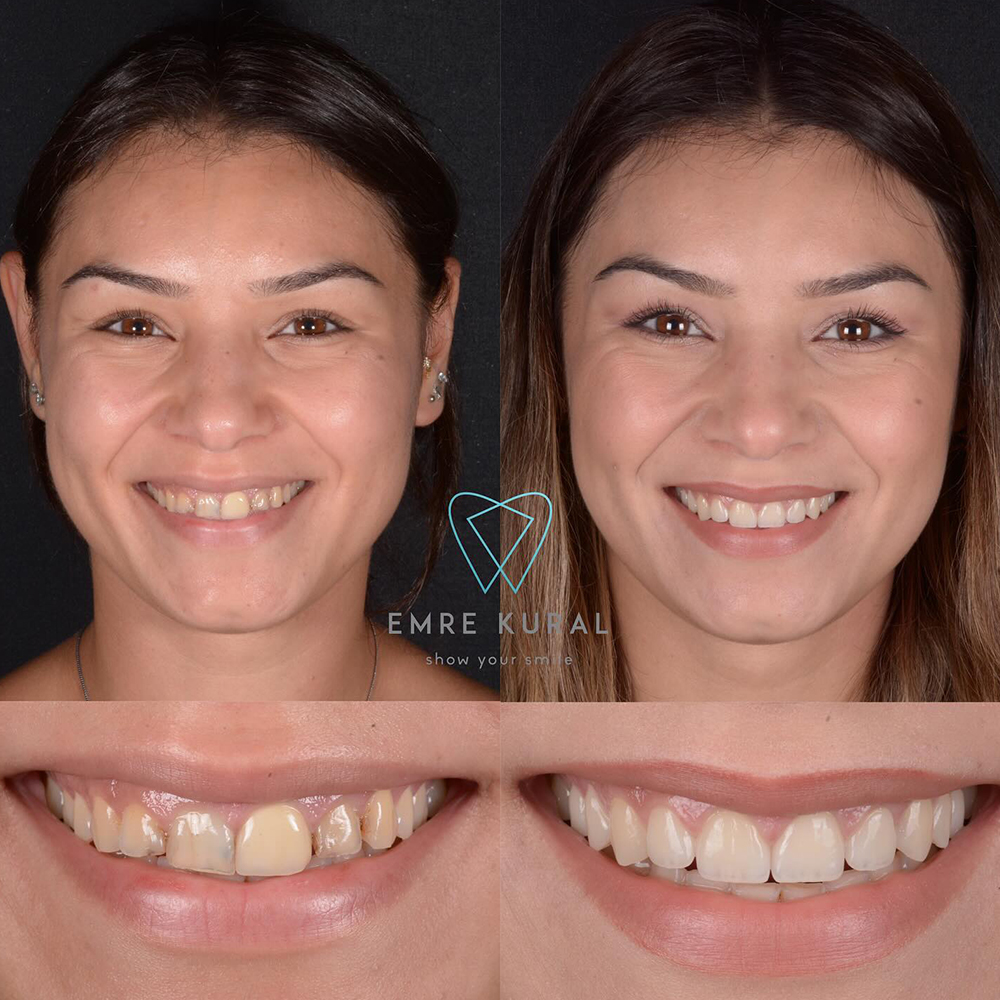
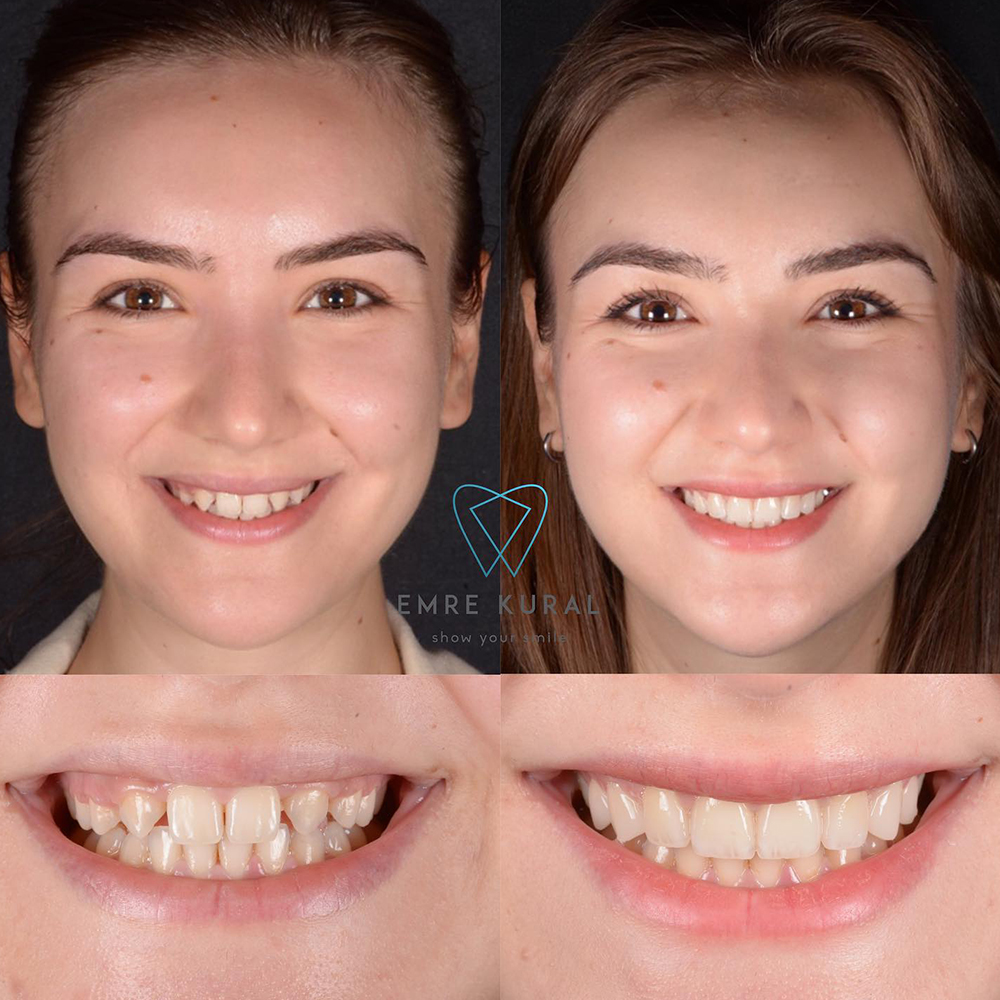
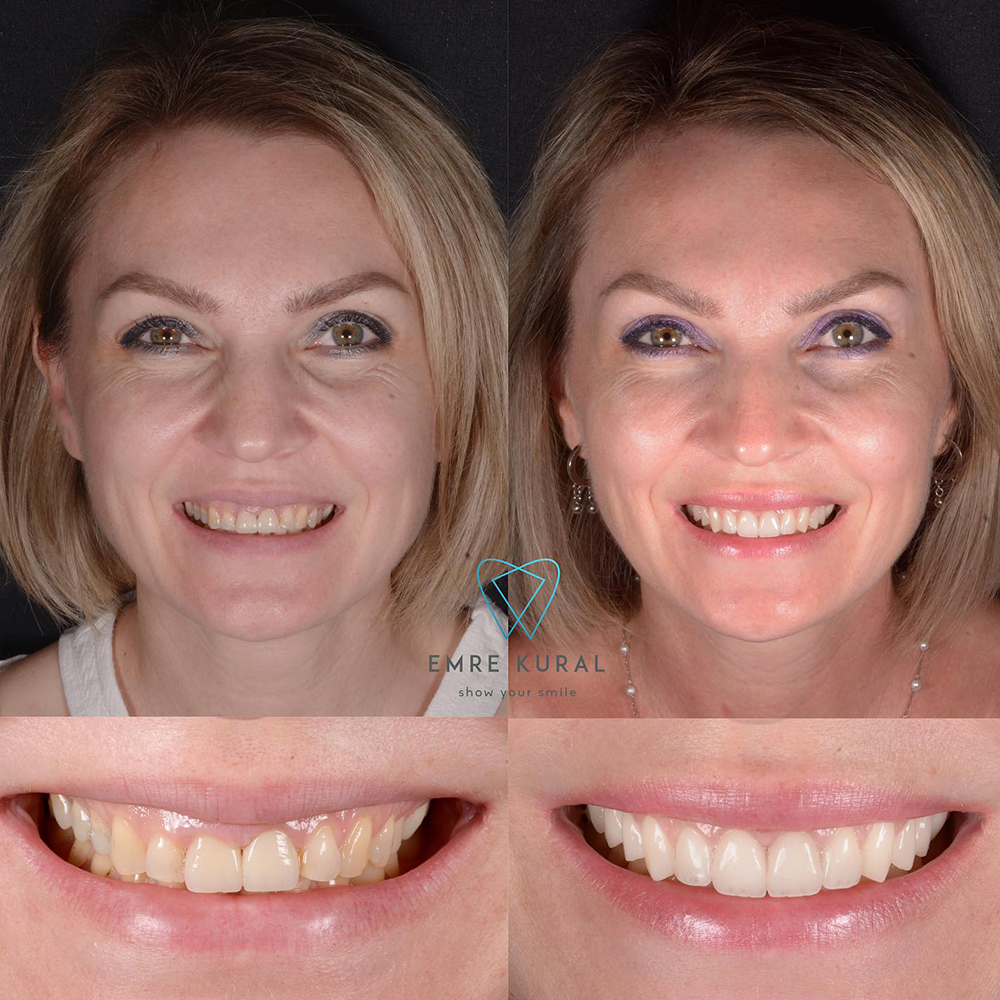
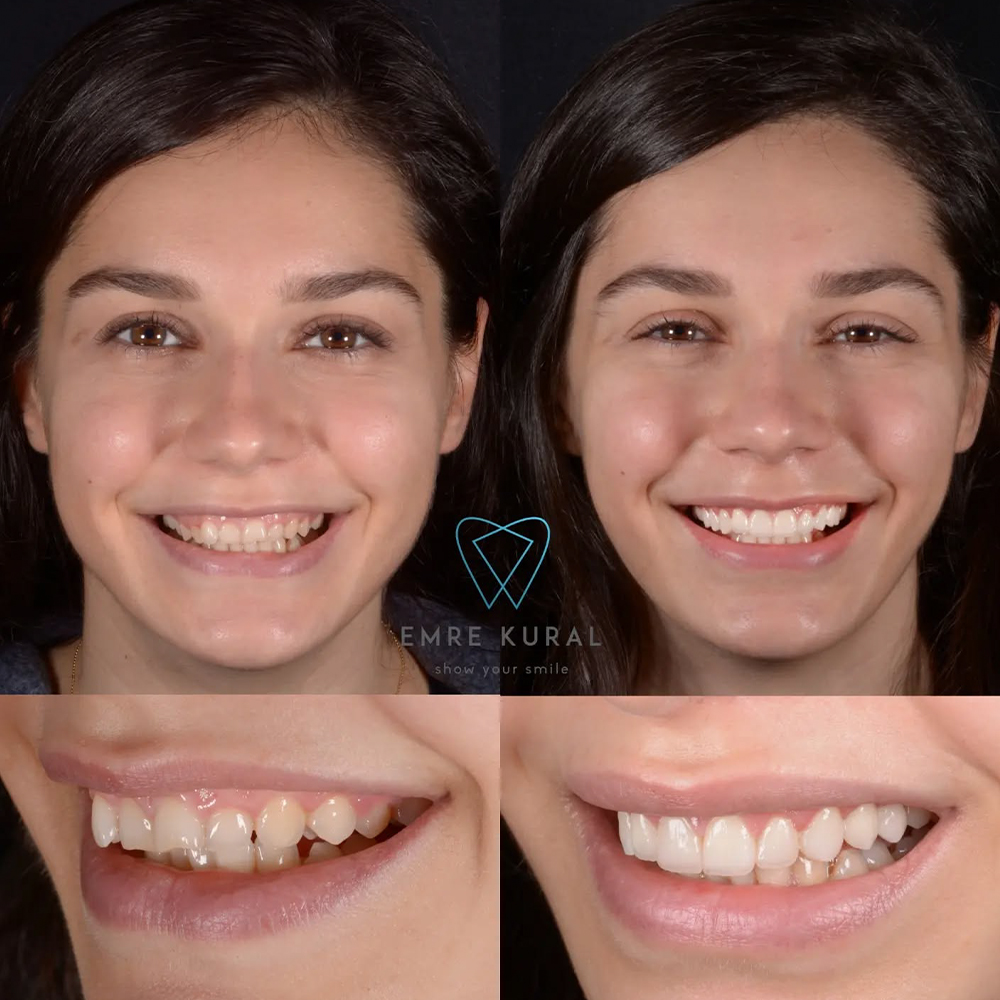
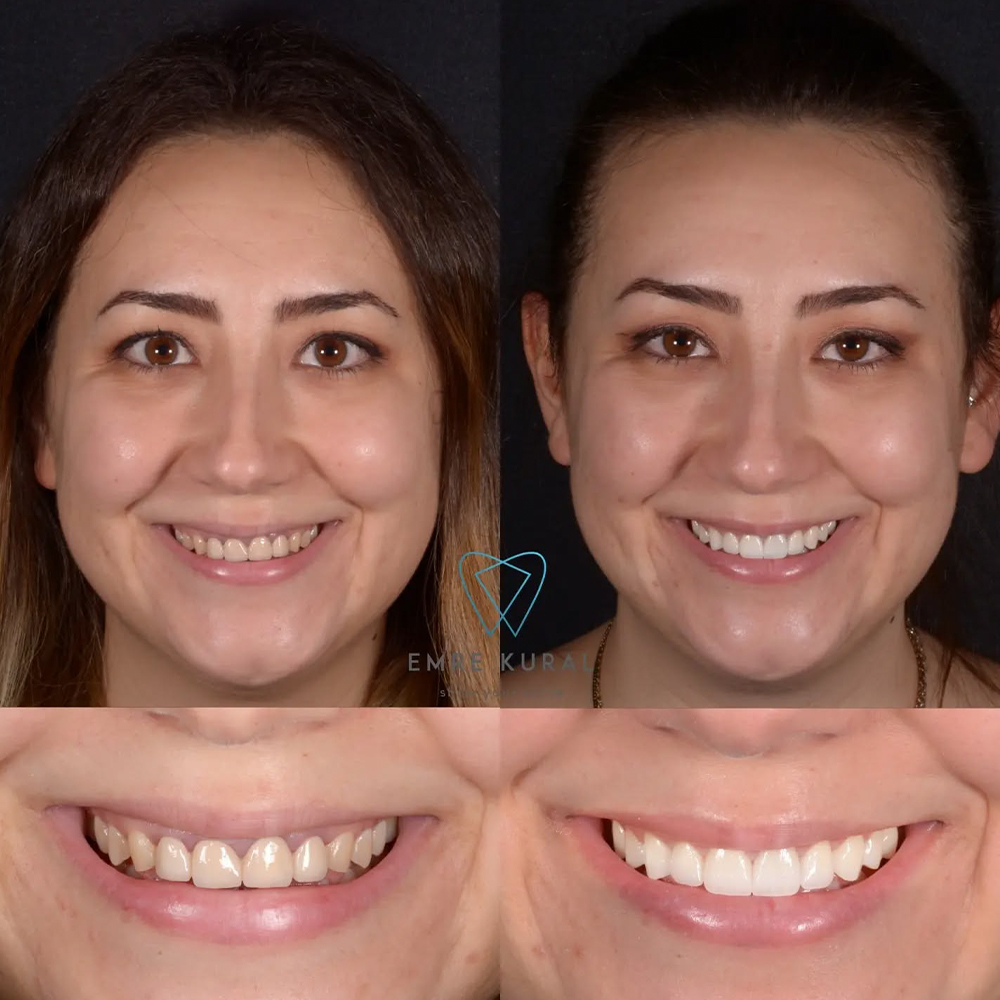
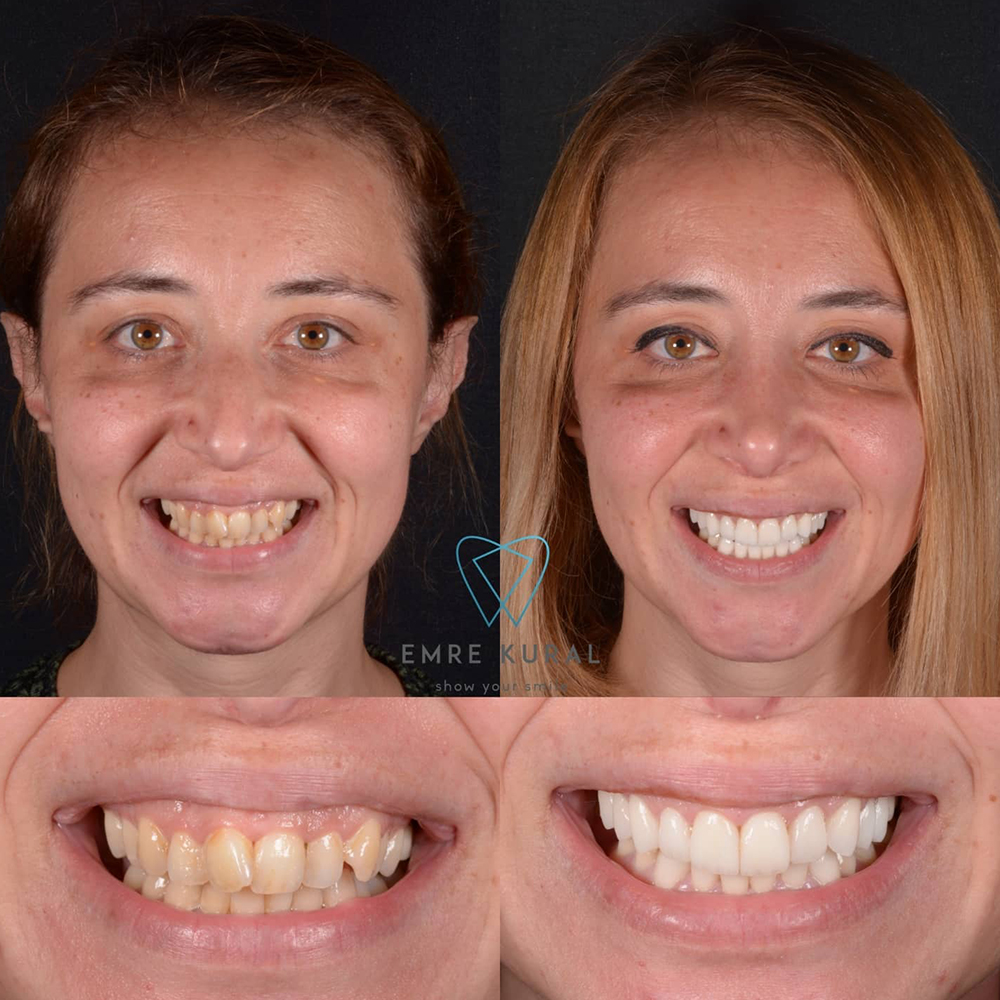
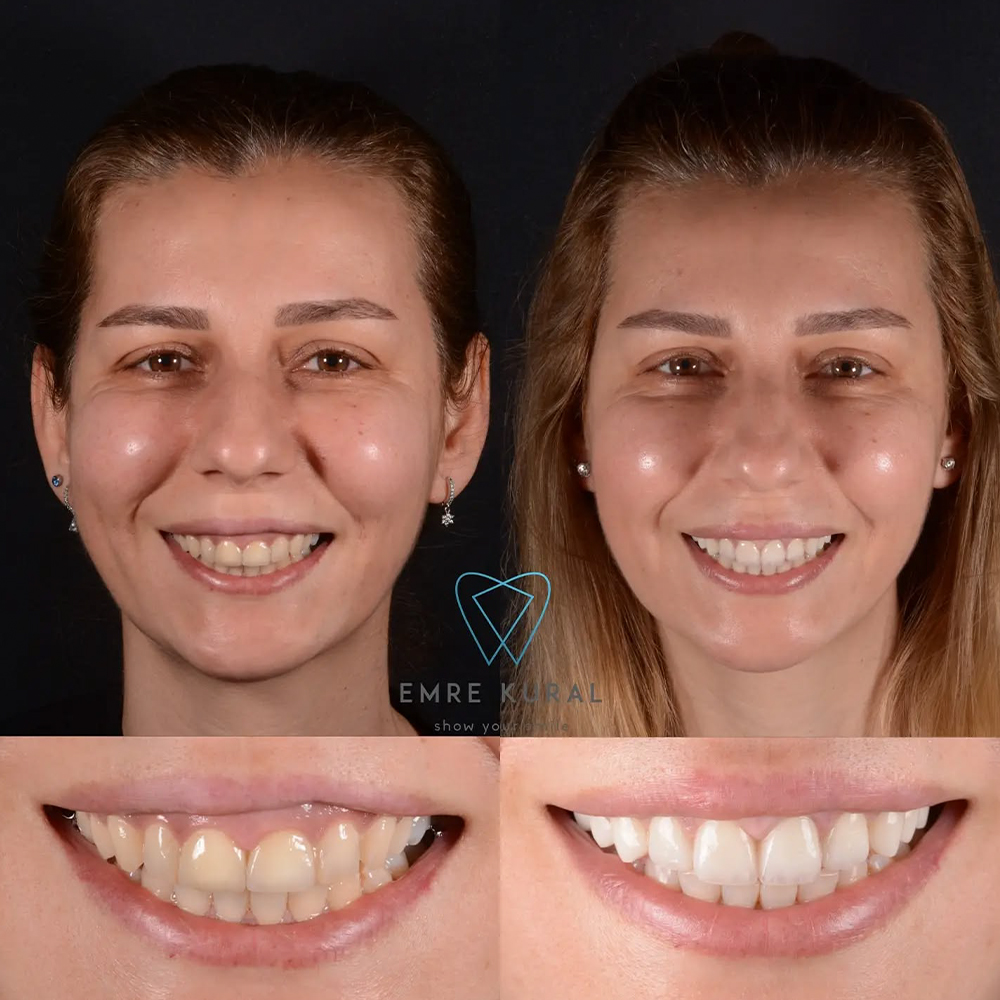
Since a root canal treated tooth usually becomes weak, it is strengthened with filling or if necessary with porcelain crown. This provides an ideal result both aesthetically and functionally. Dr. Emre Kural’s expertise in aesthetic dentistry greatly contributes to achieving natural-looking results at this stage.
Things to Consider After Root Canal Treatment
The healing process after root canal treatment is usually fast. However, the following points should be considered to increase the success of treatment and ensure the tooth remains healthy for many years:
1-Excessive Pressure Should Be Avoided in the First 24 Hours
Applying too much pressure to the treated tooth on the first day can increase sensitivity. It is important to stay away from hard-shelled foods.
2-Pain and Sensitivity Are Normal
Hot-cold sensitivity or mild pain may be seen for a few days after the procedure. This condition usually resolves on its own.
3-Oral Hygiene Should Be Maintained
Regular brushing and dental floss use reduce the risk of infection and ensure the tooth’s longevity.
4-Check-Up Appointments Should Not Be Missed
The condition of the tooth should be monitored with periodic check-ups recommended by the doctor after treatment.
5-Crown Application Should Not Be Delayed If Necessary
Root canal treated teeth, especially those in the posterior region, are more prone to fractures. Therefore, it is recommended to strengthen them with porcelain crown if deemed necessary.
Aesthetic, Comfort, and Long-Lasting Results in Root Canal Treatment with Dr. Emre Kural
Dr. Emre Kural is an experienced physician who stands out with his successful results in aesthetic dentistry in Istanbul. He considers root canal treatment not only as a procedure that eliminates infection but as a comprehensive approach that preserves the aesthetic and functional integrity of the tooth. Thanks to modern technologies, advanced imaging methods, and personalized treatment planning, he offers his patients comfortable, painless, and long-lasting solutions. If you have a dental problem that requires root canal treatment, you can achieve natural, healthy, and aesthetic results with Dr. Emre Kural’s professional approach.
Frequently Asked Questions
1- ) Is root canal treatment a painful procedure?
No. Thanks to local anesthesia, the procedure is completely painless. Mild sensitivity may be seen after treatment.
2- ) How many sessions does root canal treatment take to complete?
It is usually completed in 1–2 sessions. The number of sessions may vary depending on the extent of infection.
3- ) Will my tooth be used for a lifetime after root canal treatment?
With proper care and regular check-ups, root canal treated teeth can remain healthy in the mouth for many years.
4- ) Why is root canal treatment necessary?
It is applied to stop the spread of infection inside the tooth and save the tooth from extraction.
5- ) What happens if I don’t have root canal treatment?
The infection progresses, abscess may form, and it can lead to tooth loss.
6- ) How long should I wait to eat after root canal treatment?
It is recommended to wait approximately 2–3 hours until the anesthesia effect wears off.
7- ) Can a root canal treated tooth break?
Yes, the tooth may become weak after root canal treatment. Crown application is recommended when deemed necessary.
8- ) Can root canal treatment be repeated?
Yes, treatment can be repeated with canal retreatment procedure when necessary.
9- ) What factors affect root canal treatment prices?
It varies depending on factors such as number of roots, infection status, and upper restoration to be applied.
10- ) Is there a difference between root canal treatment and crown?
Root canal treatment treats the inner structure of the tooth, while crown is applied to strengthen the outer part of the tooth.