 Deutsch
 Türkçe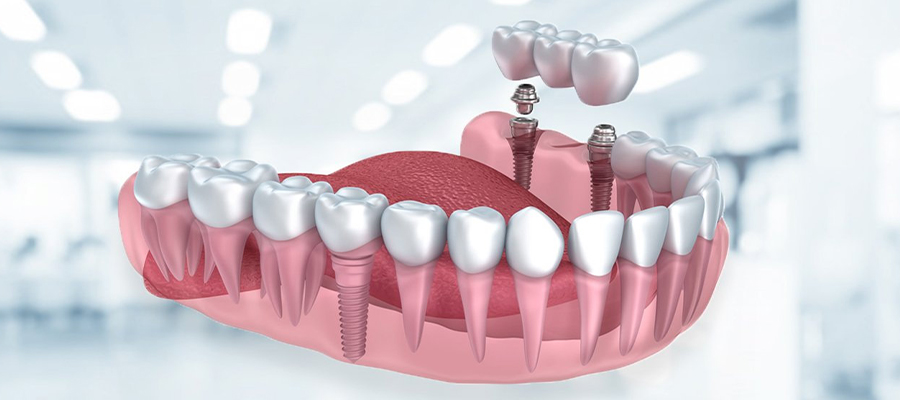
Tooth loss is a problem that seriously affects quality of life in both aesthetic and functional aspects. Missing teeth can lead to chewing difficulties, speech disorders, and loss of self-confidence. Today, dental implants are considered the most effective and permanent solution for replacing lost teeth.
Implant treatment has a high success rate when applied with proper planning and by expert hands. In this guide, we will provide comprehensive information about the process by covering all stages of implant treatment in detail.
What Is a Dental Implant?
A dental implant is a titanium screw that mimics the root of a lost tooth and is surgically placed into the jawbone. Titanium is a biocompatible metal that integrates perfectly with the human body. Thanks to this feature, the implant fuses with the jawbone to create an extremely solid foundation.
The implant system consists of three main components. The first is the titanium screw placed in the jawbone, which serves as an artificial root. The second is the connection piece called an abutment that connects the implant to the superstructure. The third is the porcelain or zirconium crown covering that forms the visible part and resembles a natural tooth.
Unlike traditional bridges and prostheses, implants function independently without damaging neighboring teeth. They prevent bone loss by stimulating the jawbone and contribute to preserving facial structure. Implants that can be used for a lifetime with proper care are considered the gold standard in missing tooth treatment.
Stages of Dental Implant Treatment
Implant treatment is a multi-stage process that requires careful planning and precise application. Each stage directly affects the success of the next. Although the treatment process varies from patient to patient, it generally follows certain steps.
Examination and Planning
The foundation of successful implant treatment lies in comprehensive examination and meticulous planning. At the first appointment, the dentist evaluates the patient’s oral health in detail. Gum diseases, cavities, and existing restorations are examined.
Imaging techniques are critically important at this stage. The height, width, and density of the jawbone are measured with panoramic X-rays and especially dental tomography. These images reveal the anatomical structure of the area where the implant will be placed. The position of sensitive structures such as nerve canals and sinus cavities is determined to plan a safe implant position.
The patient’s general health status must also be evaluated. Systemic conditions such as diabetes, heart diseases, osteoporosis, and medications used can affect the treatment plan. Since smoking negatively affects implant success, the patient is advised to quit or reduce smoking.
After all data is collected, a personalized treatment plan is prepared. The number, size, brand of implants to be used, and the type of superstructure are determined at this stage. If necessary, grafting procedures to address bone insufficiency are included in the planning.
Surgical Placement of the Implant
The surgical stage constitutes the most critical part of implant treatment. The procedure is performed under sterile conditions and local anesthesia. Sedation may be applied in patients with high dental anxiety.
The surgical procedure begins with opening the gum tissue. A socket suitable for the implant size is prepared in the jawbone with special drills. At this stage, continuous cooling with saline solution is performed to prevent the bone from overheating. The titanium implant is placed into the prepared socket with precise torque.
After the implant is placed, the gum tissue is closed with sutures. In some cases, a temporary cap may be placed on the implant using a semi-submerged technique. The surgical procedure usually takes between 30-60 minutes, but this time may be extended if multiple implants are to be placed.
Post-surgical instructions given to the patient are as follows:
- Cold compress should be applied to the area for the first 24 hours
- Prescribed antibiotics and painkillers should be used regularly
- Soft and warm foods should be consumed for the first few days
- Smoking and alcohol should be avoided for at least two weeks
- Gentle cleaning should be done with mouthwash
Healing Process
This period, called osseointegration, is a critical stage where the implant integrates with the jawbone. A molecular bond forms between the titanium surface and bone tissue. This process is the most important factor determining the long-term success of the implant.
Healing time varies depending on the patient’s bone quality, the area where the implant is placed, and general health status. In the lower jaw, an average of 2-3 months is required, while in the upper jaw, 4-6 months may be needed due to lower bone density. This period may be even longer in cases where bone grafting is performed.
During this period, it is extremely important not to apply excessive force to the implant area. Hard foods should be avoided and chewing should be done on the opposite side as much as possible. The dentist monitors the healing process with regular check-ups. In case of any signs of infection, swelling, or prolonged pain, the doctor should be consulted immediately.
Placement of the Healing Cap
After osseointegration is completed, a second minor surgical procedure is performed. At this stage, the gum tissue covering the implant is opened and the healing cap is attached. The healing cap is a cylindrical piece that allows the gum to take a natural shape around the implant.
This procedure is performed under local anesthesia and usually takes a few minutes. After the healing cap is attached, the gum tissue shapes within 2-4 weeks. The gum cuff formed during this process is of great importance for the aesthetic appearance of the final prosthesis.
In some modern implant systems, single-stage surgery can be applied. In this technique, the healing cap is also attached during the same session when the implant is placed. This eliminates the need for a second surgical procedure and shortens the treatment time.
Prosthesis Fabrication and Application
After gum healing is completed, the superstructure stage begins. This process starts with taking impressions. Precise recordings of the implant and surrounding tissues are taken with digital scanners or traditional impression materials. These records are sent to the laboratory for custom prosthesis production.
In the laboratory stage, the abutment or connection piece is prepared first. Then the porcelain or zirconium crown is produced. Color, shape, and size are designed to match the patient’s natural teeth. The production process varies between 1-2 weeks depending on the material and technique used.
Prosthesis application includes the following steps:
- Removal of the healing cap
- Screwing the abutment to the implant
- Cementation or screwing of the crown onto the abutment
- Bite check and necessary adjustments
- Patient testing the new tooth and giving approval
When treatment is completed, the patient acquires a fully functional tooth that closely resembles their natural teeth. There may be a slight feeling of unfamiliarity in the first days, but adaptation is achieved in a short time.
Recommendations for Long-Lasting Dental Implants
Dental implants can be used for a lifetime with proper care. However, this longevity directly depends on the care shown by the patient. Regular and conscious care is essential for keeping the tissues around the implant healthy.
Oral hygiene forms the foundation of implant health. Teeth should be brushed at least twice a day with a soft-bristled toothbrush. Special interdental brushes and dental floss should be used to prevent bacterial buildup around the implant. Water-based oral irrigators are also very effective in cleaning around the implant.
Peri-implant infection, called peri-implantitis, is one of the most important causes of implant loss. Special attention should be paid to gum health to prevent this condition. If bleeding, redness, or swelling is noticed in the gums, a dentist should be consulted without delay.
Things to consider for extending implant life:
- Regular dental check-ups should be attended (every 6 months)
- Professional dental cleaning should be performed
- Hard-shelled foods and chewing ice should be avoided
- If there is a teeth grinding problem, a night guard should be used
- Smoking should be quit as it significantly reduces implant success
- Systemic diseases such as diabetes should be kept under control
Frequently Asked Questions
1) Is implant treatment a painful procedure?
Since implant surgery is performed under local anesthesia, no pain is felt during the procedure. Most patients report feeling only slight pressure. After surgery, once the anesthesia wears off, mild pain and swelling may be experienced for a few days, but this is easily controlled with prescribed painkillers. For patients with high dental anxiety, conscious sedation can be applied to make the procedure much more comfortable.
2) Can everyone get dental implants?
Implant treatment is a suitable option for most adult patients, but certain conditions must be evaluated. Having sufficient bone density is a basic requirement for treatment; in case of bone insufficiency, this problem can be overcome with grafting procedures. Implant application may be risky for patients with uncontrolled diabetes, serious heart diseases, immune system disorders, and those undergoing active cancer treatment. Heavy smoking is also an important factor that reduces success rates. The dentist decides whether the patient is suitable for implant treatment after a comprehensive evaluation.
3) How long does implant treatment take?
Treatment duration varies depending on the patient’s condition. In patients with adequate bone structure, the average time from surgical procedure to prosthesis delivery is 3-4 months. Since bone density is lower in the upper jaw, this period may extend to 5-6 months. When additional procedures such as bone grafting or sinus lifting are required, treatment may take 8-12 months. In some suitable cases, accelerated protocols are also available where the implant and temporary tooth can be applied on the same day.
4) What is the lifespan of an implant?
Properly applied and well-maintained dental implants can be used for a lifetime. Clinical studies show that implants have a success rate of over 90% even after 20-25 years. The crown covering on the implant may require renewal in 10-15 years depending on use and material. The most important factors affecting implant lifespan are regular oral hygiene, not smoking, attending dental check-ups, and avoiding harmful habits such as teeth grinding.
5) Can I eat normally after implant treatment?
It is recommended to consume soft foods and avoid applying pressure to the implant area for the first few weeks after surgery. After the osseointegration process is completed and the permanent prosthesis is attached, patients can eat completely normally. Implant-supported teeth provide almost the same chewing force as natural teeth. Unlike removable prostheses, since implants are fixed, patients can easily consume hard foods such as meat, apples, and corn. However, avoiding excessive stress such as chewing ice or trying to crack very hard shells is important for protecting the implant and crown.