 Deutsch
 Türkçe
Dental implant treatment is one of the most long-lasting and aesthetically successful dental treatments, performed by placing titanium screws that mimic the natural tooth root in place of missing teeth. Implants, which are accepted as the most ideal treatment method both aesthetically and functionally today, restore chewing function closest to natural teeth and prevent bone loss that may occur in the future by protecting the jawbone. Implants, which can be applied in a wide treatment range from a single tooth deficiency to the loss of all teeth, have become the gold standard in modern dentistry thanks to their durability, longevity, and natural appearance.
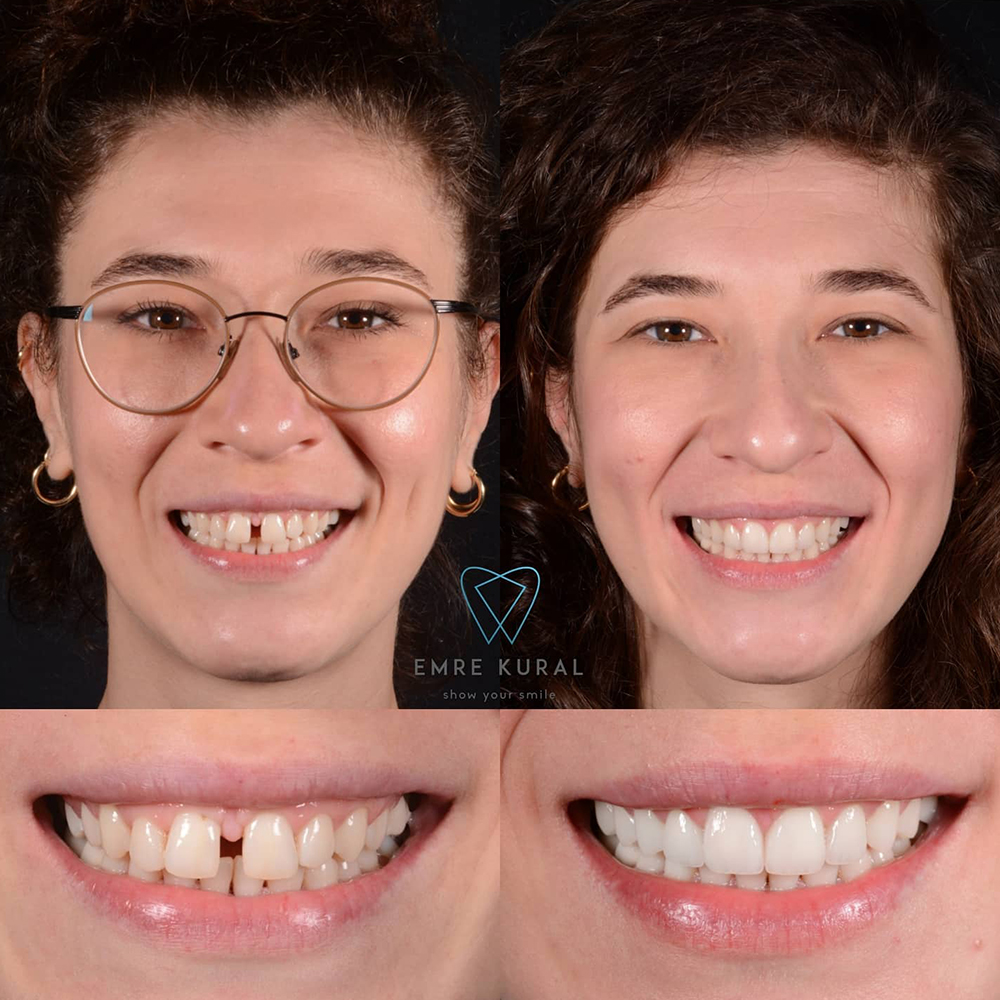
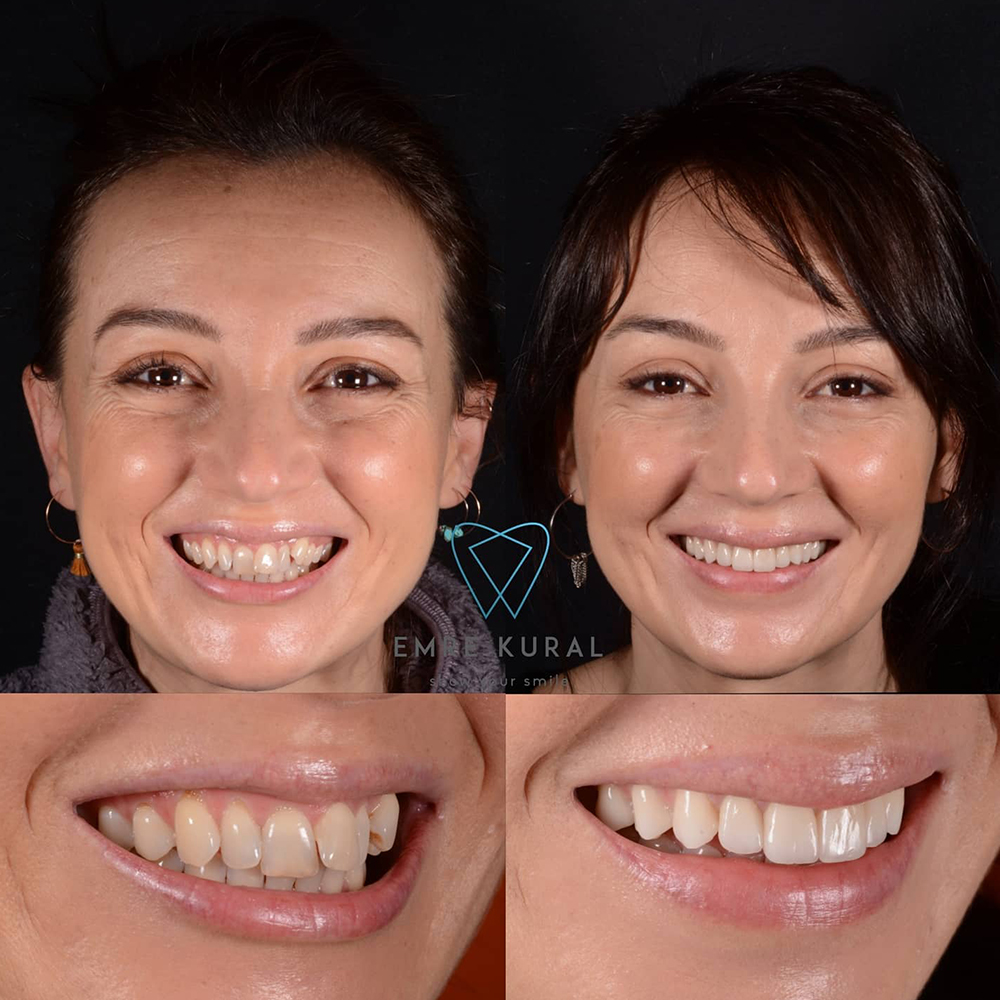
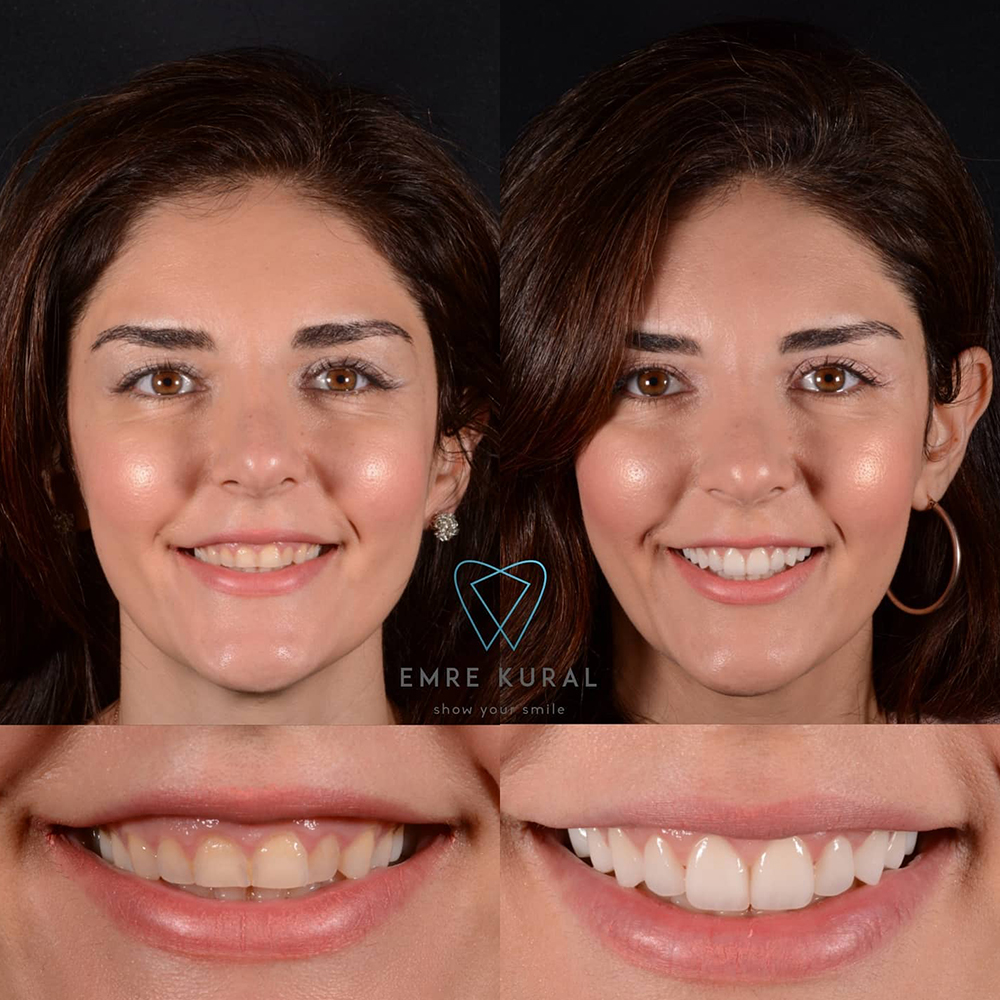
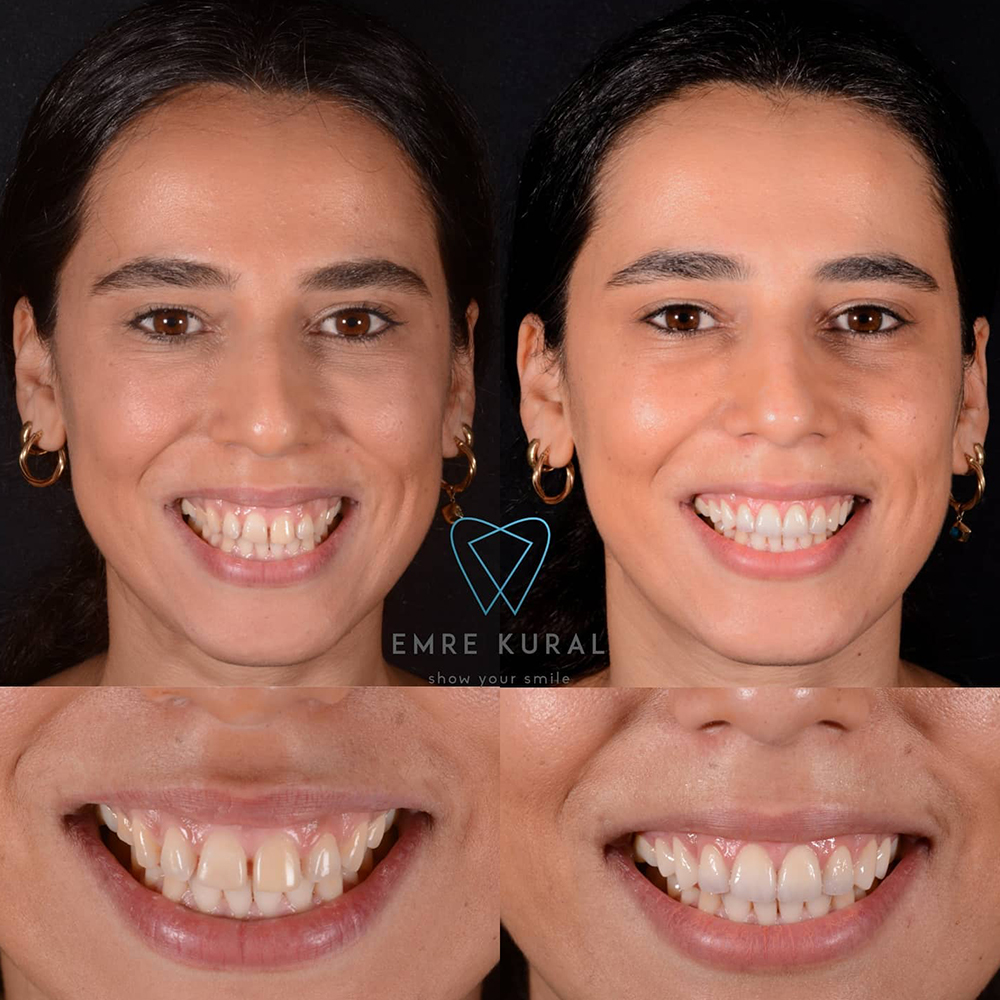
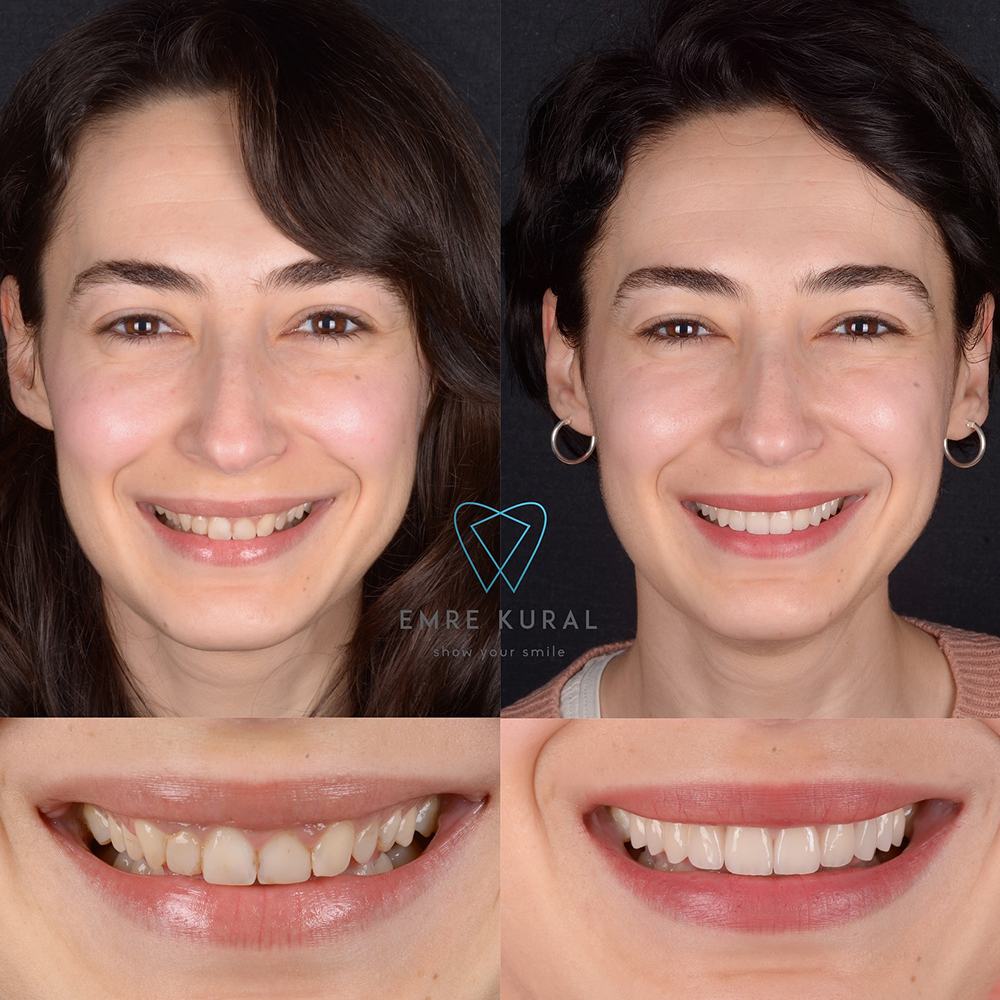
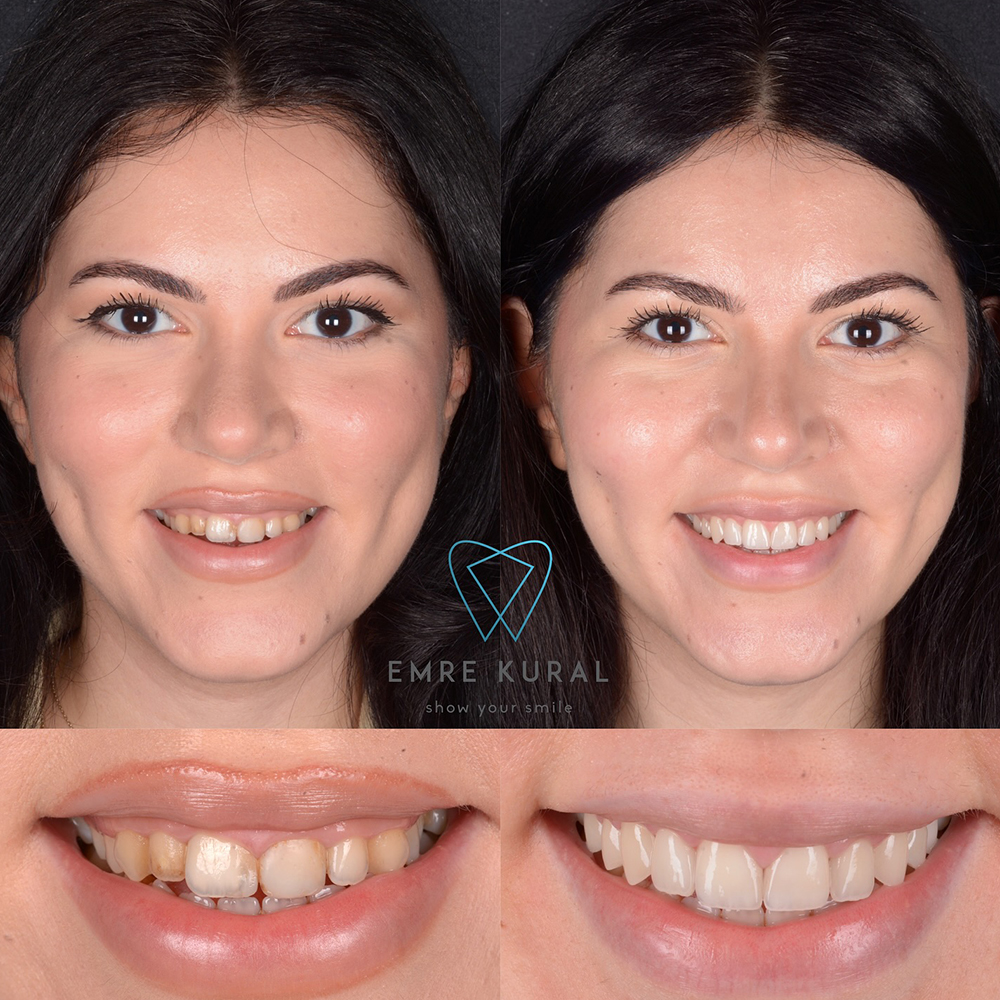
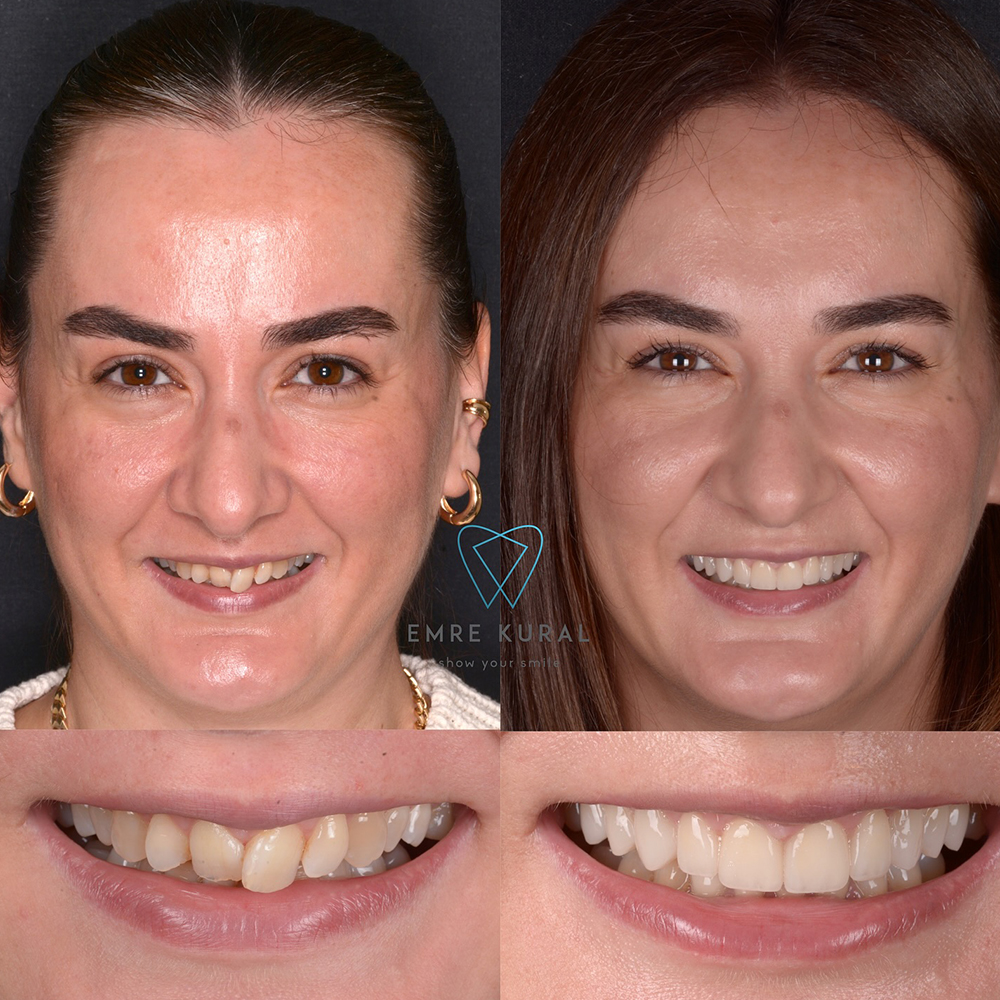
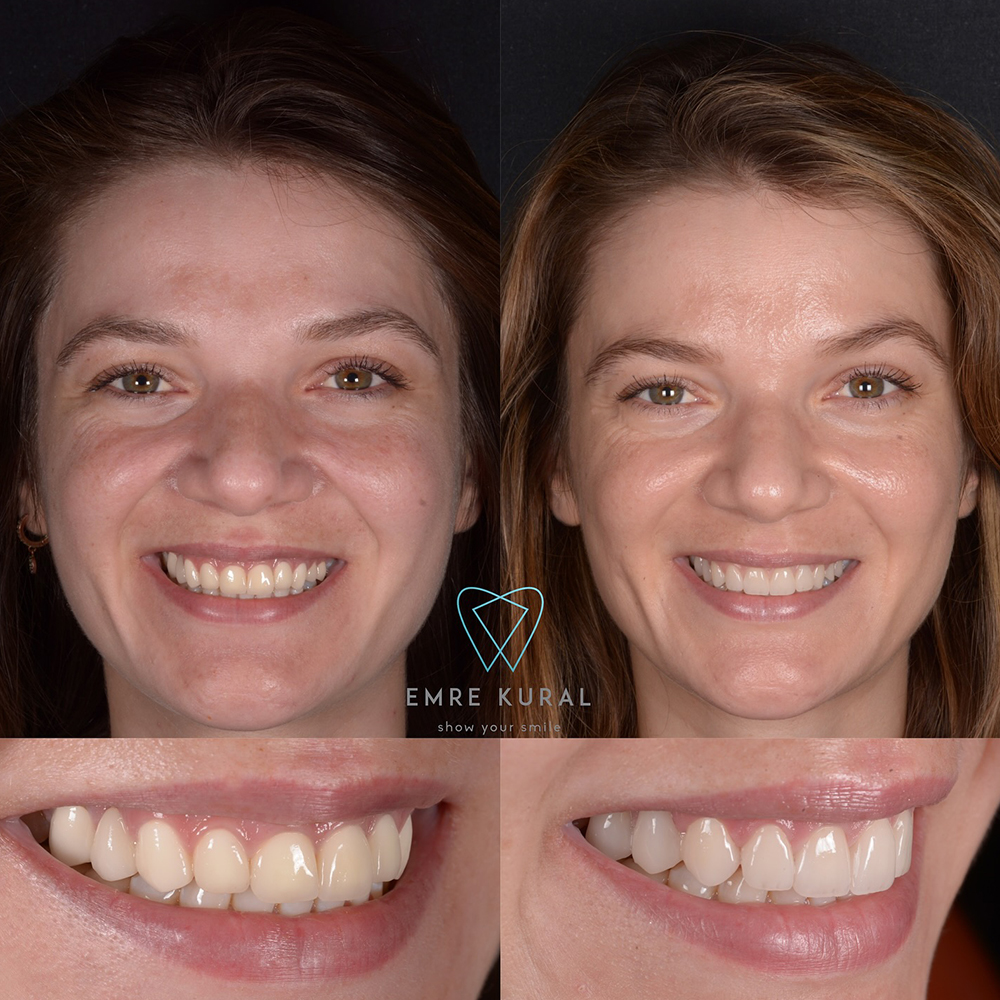
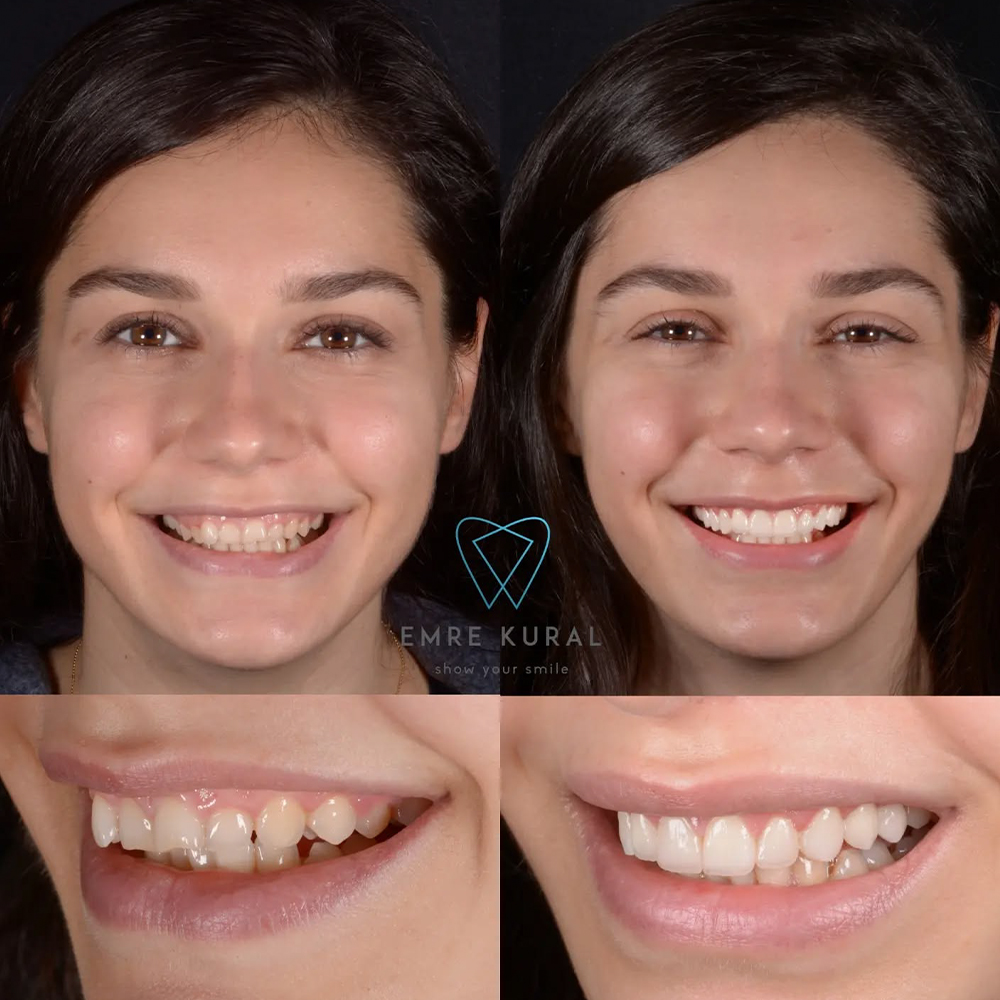
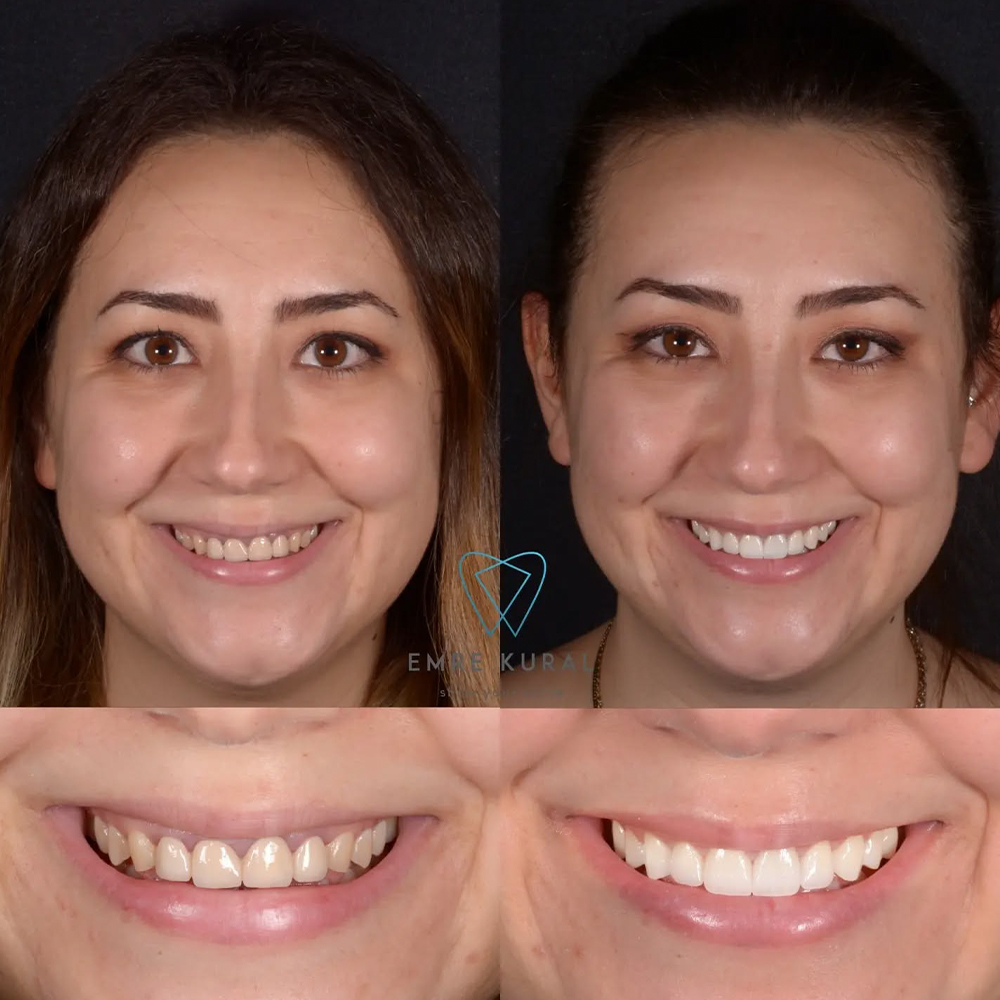
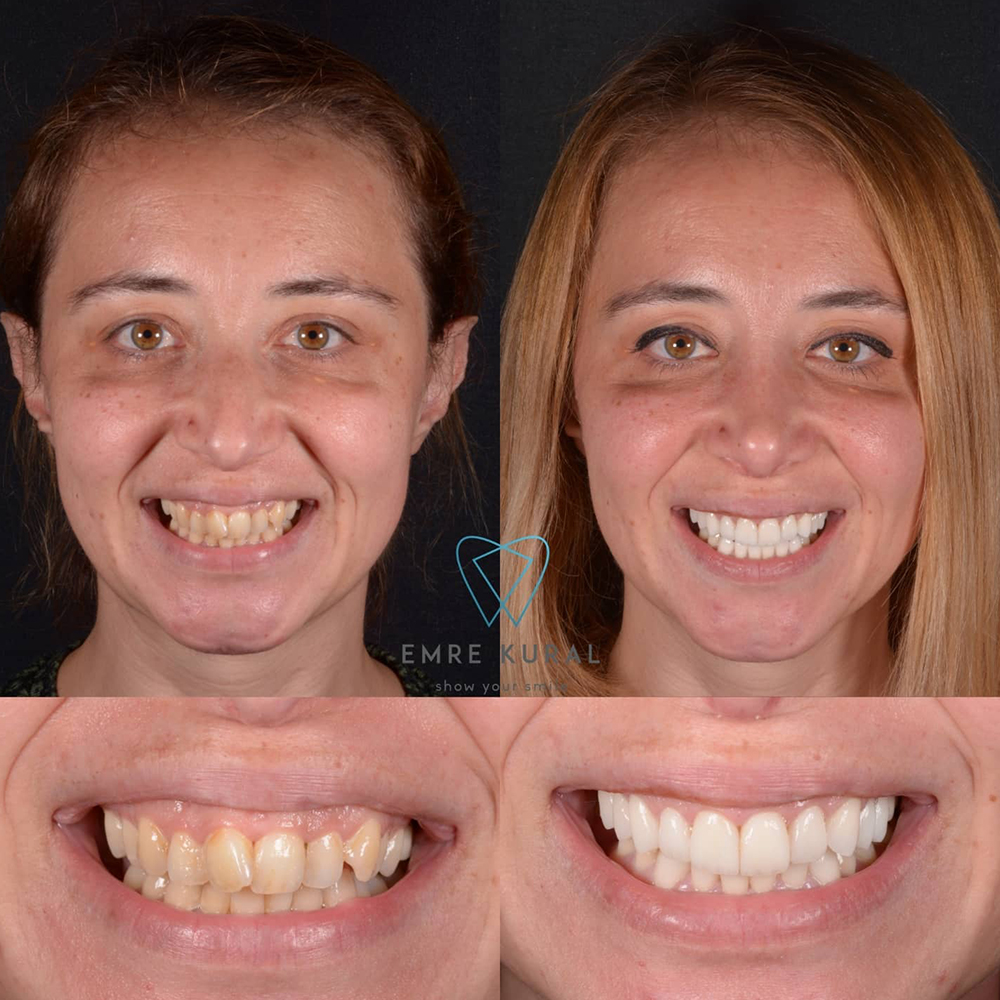
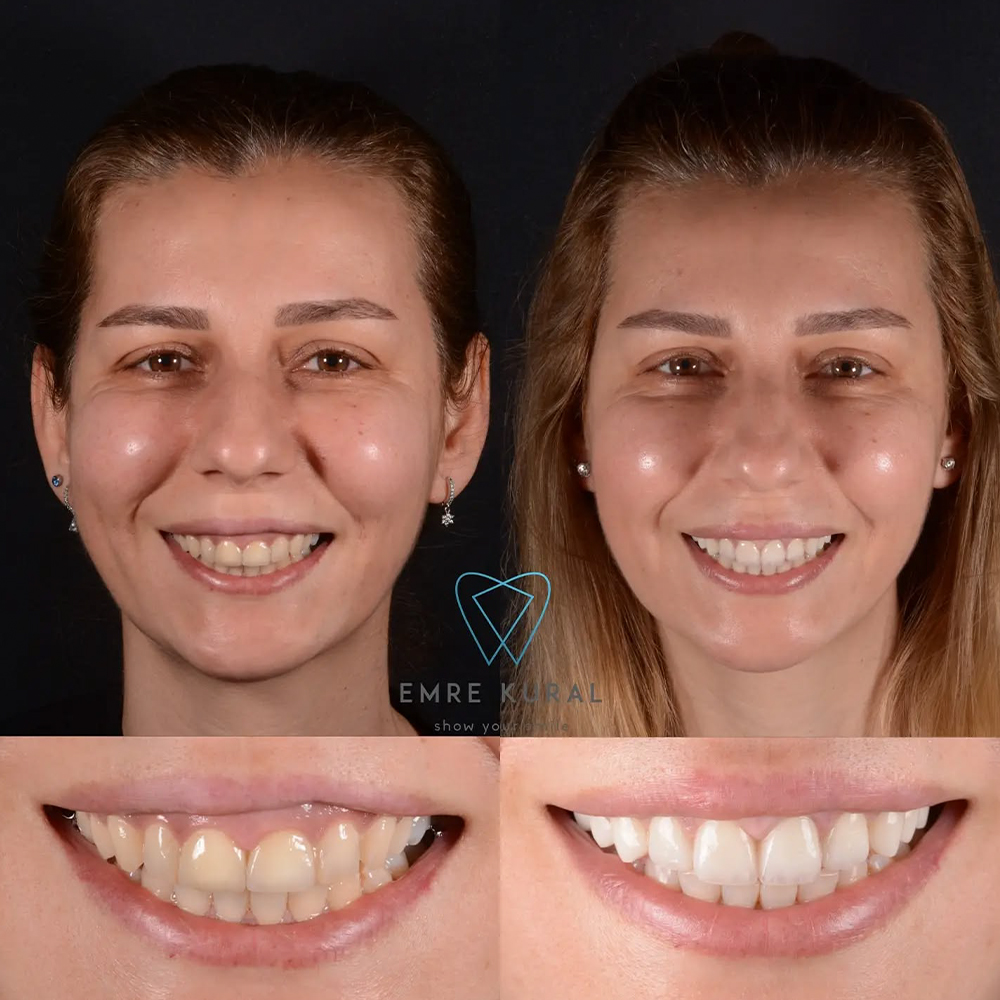
Speech disorders, aesthetic concerns, self-confidence problems, and chewing difficulties caused by missing teeth can be permanently resolved with implant treatment. Personalized implant treatments applied by Dr. Emre Kural, who is an expert in aesthetic dentistry, provide both guaranteed function and a natural smile compatible with facial aesthetics. With current technologies, 3D imaging systems, and advanced surgical methods, implant applications are now performed much more comfortably, quickly, and safely.
What Is a Dental Implant?
A dental implant is a titanium or zirconium-based screw that is placed in place of a missing tooth and assumes the function of a natural tooth root by integrating with the jawbone. After these screws are completely fused with the jawbone, porcelain, zirconium, or Emax crowns are placed on them. Implant treatment is the most preferred missing tooth solution today because it offers both a natural appearance and high durability.
Since implants are biologically compatible with the jawbone, they do not cause any allergic reaction. Bone tissue accepts the implant like a natural root. This process is called “osseointegration” and ensures the fixation of the implant. When proper planning is done, implants are a treatment option durable enough to be used for a lifetime.
Unlike bridge treatment, it does not require cutting of neighboring teeth and can be applied directly to the empty area even if there is only one tooth missing. This makes implant treatment a method that both preserves natural teeth and provides maximum function.
In Which Situations Is Dental Implant Treatment Preferred?
Dental implant has a very wide range of use and is an ideal treatment option in the following situations:
1.Single Tooth Deficiency
Implant, which can be applied only to replace the missing tooth without touching the neighboring teeth, is the healthiest and most natural solution.
2.Multiple Tooth Deficiency
Implant-supported bridges can be applied in cases where there are multiple gaps.
3.Complete Edentulism
Fixed prostheses can be made with systems such as All-on-4, All-on-6 in patients who have no teeth in their mouth.
4.Patients Using Removable Prostheses
Mobility, eating difficulties, and speech problems caused by removable prostheses are eliminated with implant-supported fixed prostheses.
5.Preventing Jawbone Loss
Implants stimulate the jawbone like a natural tooth root and prevent bone resorption.
6.Smile Design for Aesthetic Purposes
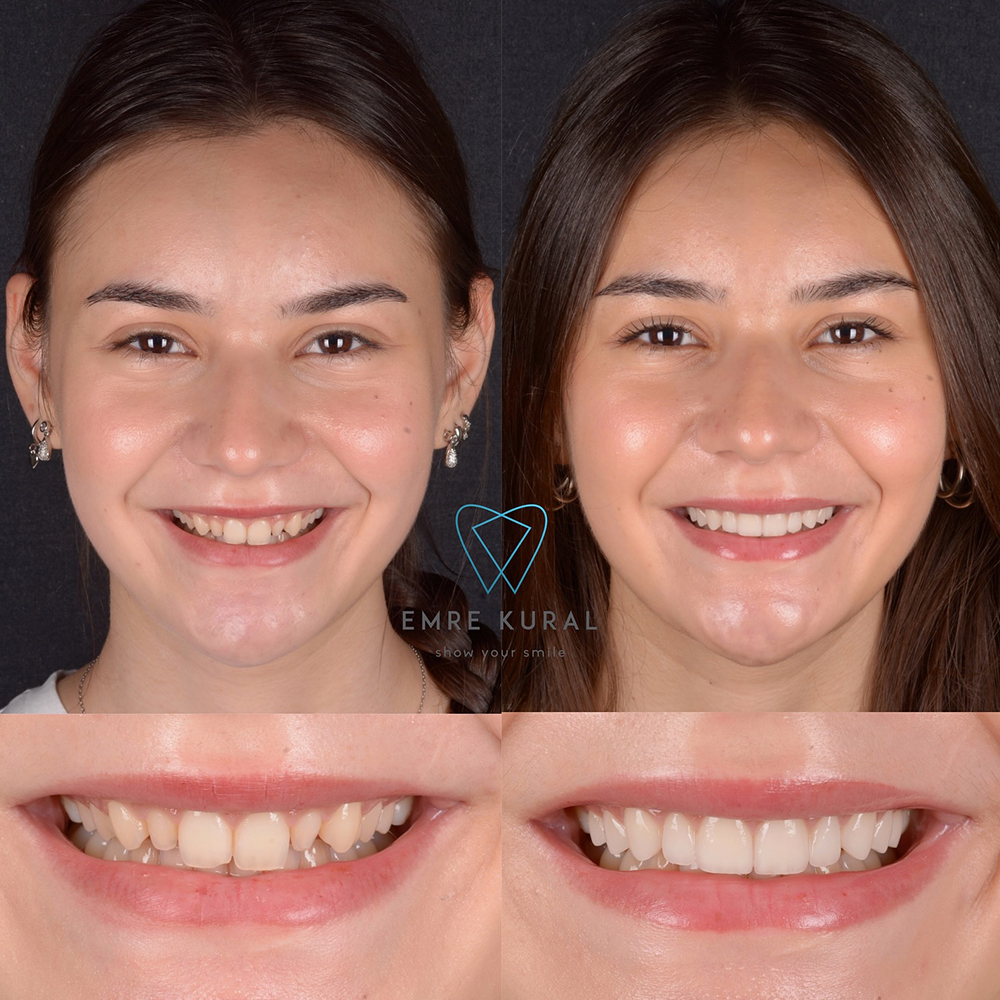
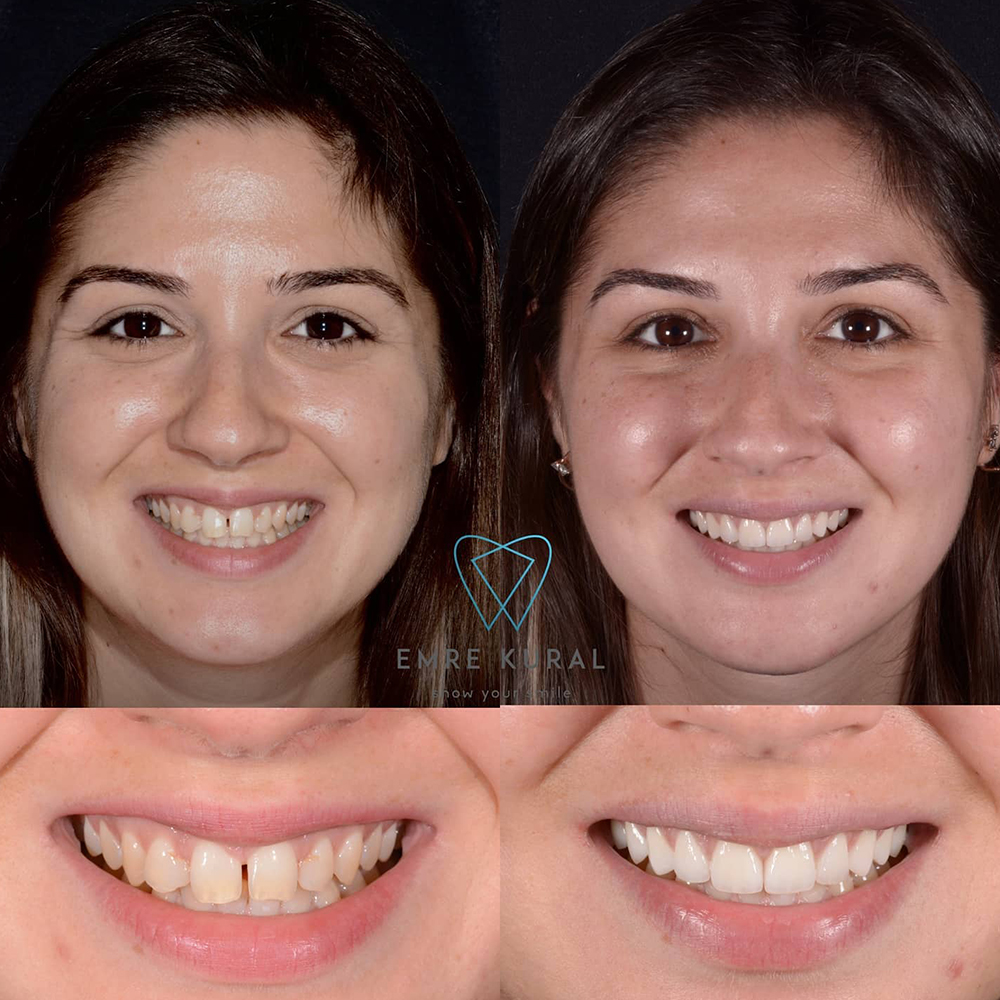
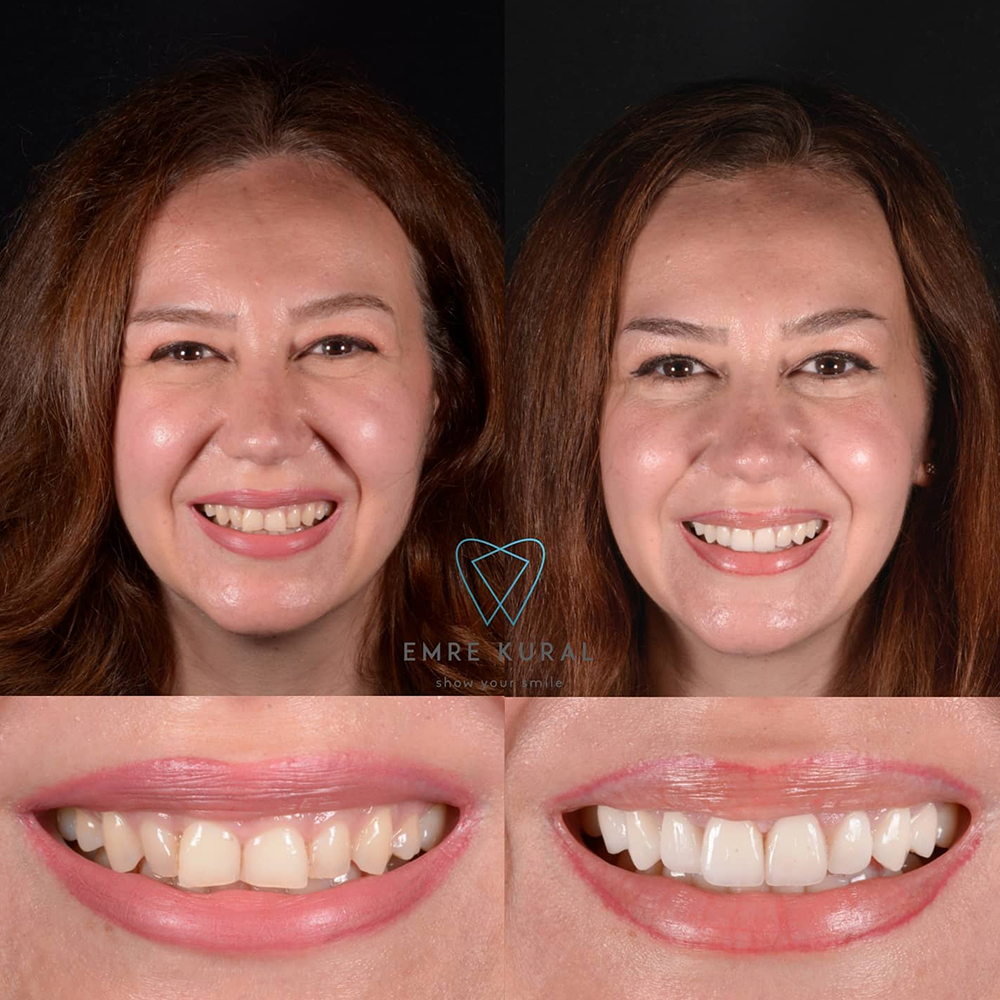
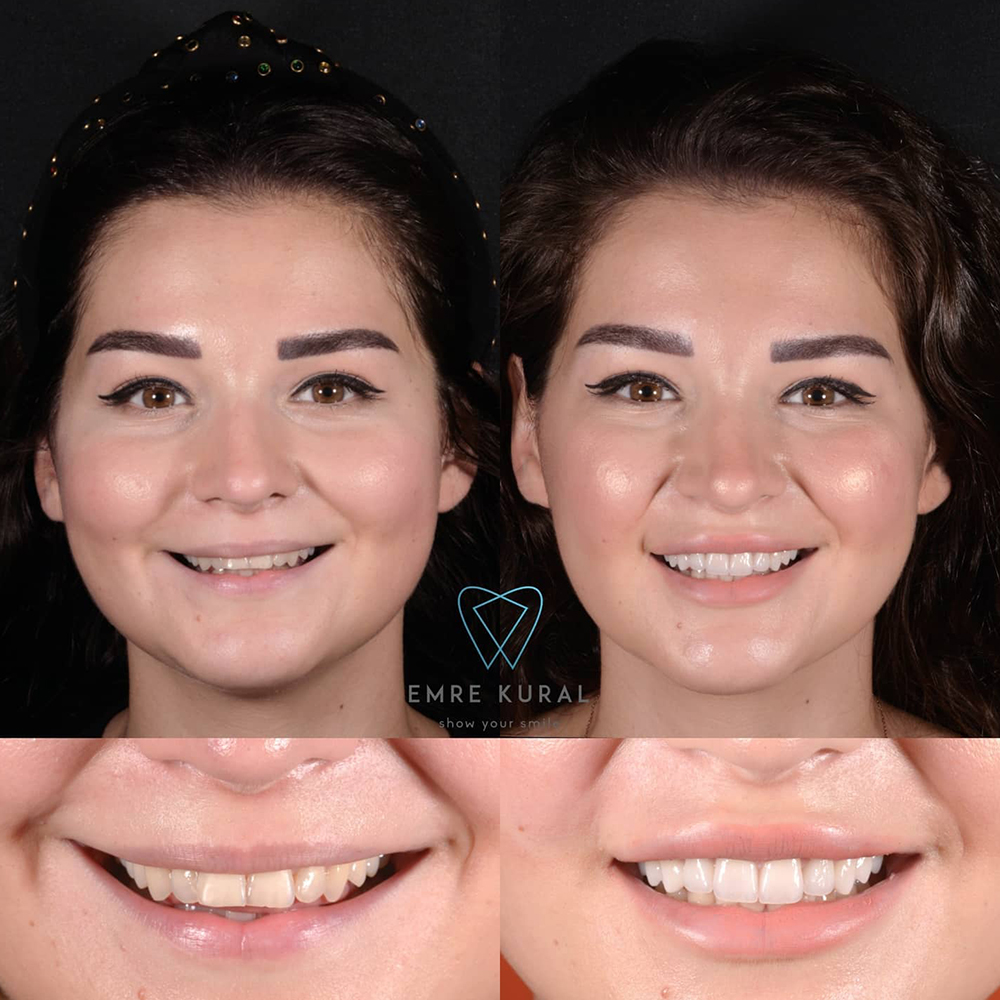
In patients with missing teeth in the anterior region, implant is the most important part of aesthetic smile design.
7.Tooth Loss Due to Gum Problems
Function and aesthetics can be regained with implant treatment for teeth lost due to periodontal diseases.
Implant treatment can be safely applied in almost every patient who has a suitable bone structure and good general health status.
How Is Dental Implant Treatment Performed?
Implant treatment is a very delicate process consisting of both surgical and aesthetic stages. The stages are as follows:
1.Detailed Examination and Digital Planning
The first stage of treatment is the detailed clinical examination performed by Dr. Emre Kural. At this stage:
- Panoramic X-ray or 3D tomography is taken.
- The height, thickness, and density of the jawbone are evaluated.
- Sinus area, nerve lines, and anatomical structures are analyzed.
- The patient’s aesthetic expectations are listened to.
Digital planning ensures that the implant is placed at the correct angle, in the correct area, and in the most ideal position.
2.Painless Application with Local Anesthesia
Implant application is performed completely under local anesthesia and the patient does not feel pain during the procedure. Sedation option can also be used when necessary.
3.Placement of the Implant into the Jawbone
Titanium implant screws are surgically placed into the jawbone. Thanks to modern surgical techniques, the procedure takes an average of 10–15 minutes.
A healing period of usually 2–3 months is required for the placed implant to fully fuse with the bone. This period may be slightly longer for the upper jaw.
4.Healing Period (Osseointegration)
During this period, the implant biologically integrates with the jawbone. Ensuring stability is critical for the success of the treatment.
In some suitable cases, same-day implant + temporary tooth placement can prevent the patient from being aesthetically uncomfortable.
5.Preparation of the Superstructure
After healing is complete, one of the following options is placed on the implant:
- Zirconium crown
- Emax crown
- Metal-free porcelain
- Fixed bridge on implant
- All-on-4 / All-on-6 fixed prosthesis
All these procedures are designed completely custom.
6.Final Check and Usage Training
When treatment is completed, chewing function, aesthetic compatibility, and implant stability are checked. Dr. Emre Kural conveys the necessary care instructions in detail to the patient for the implant to be long-lasting.
Things to Consider After Dental Implant Treatment
To increase the success of implant treatment, the following points should be considered in the post-treatment period:
1.Avoiding Hot Foods on the First Day
Hot food and beverages should be avoided to prevent pain.
2.Regular Oral Care
As long as the implant area is kept healthy, it can be used without problems for many years.
3.Reducing Smoking and Alcohol Consumption
Since smoking negatively affects healing, it is recommended to quit as much as possible.
4.Avoiding Hard Foods
The implant area should not be strained during the initial healing period.
5.Not Missing Check-Up Appointments
Regular check-ups maintain the stability of the implant.
Natural, Functional, and Aesthetic Results in Implant Treatment with Dr. Emre Kural
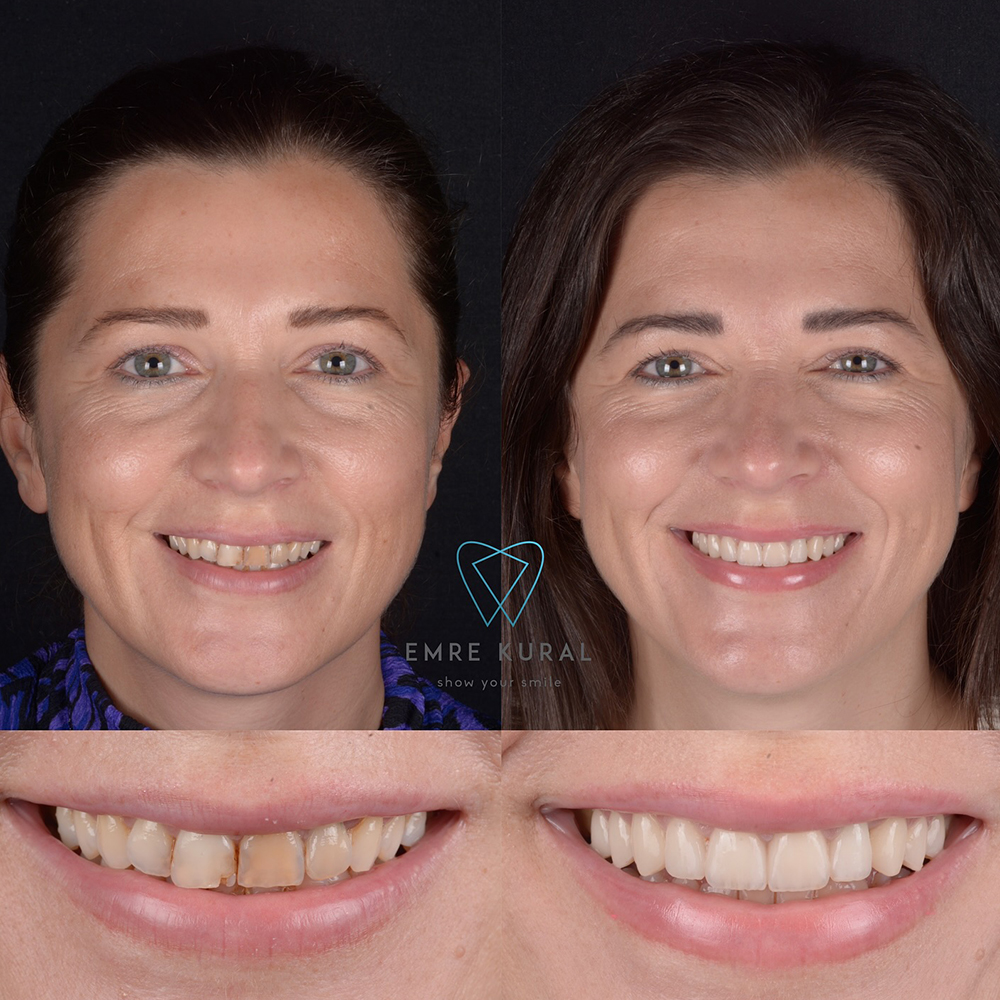
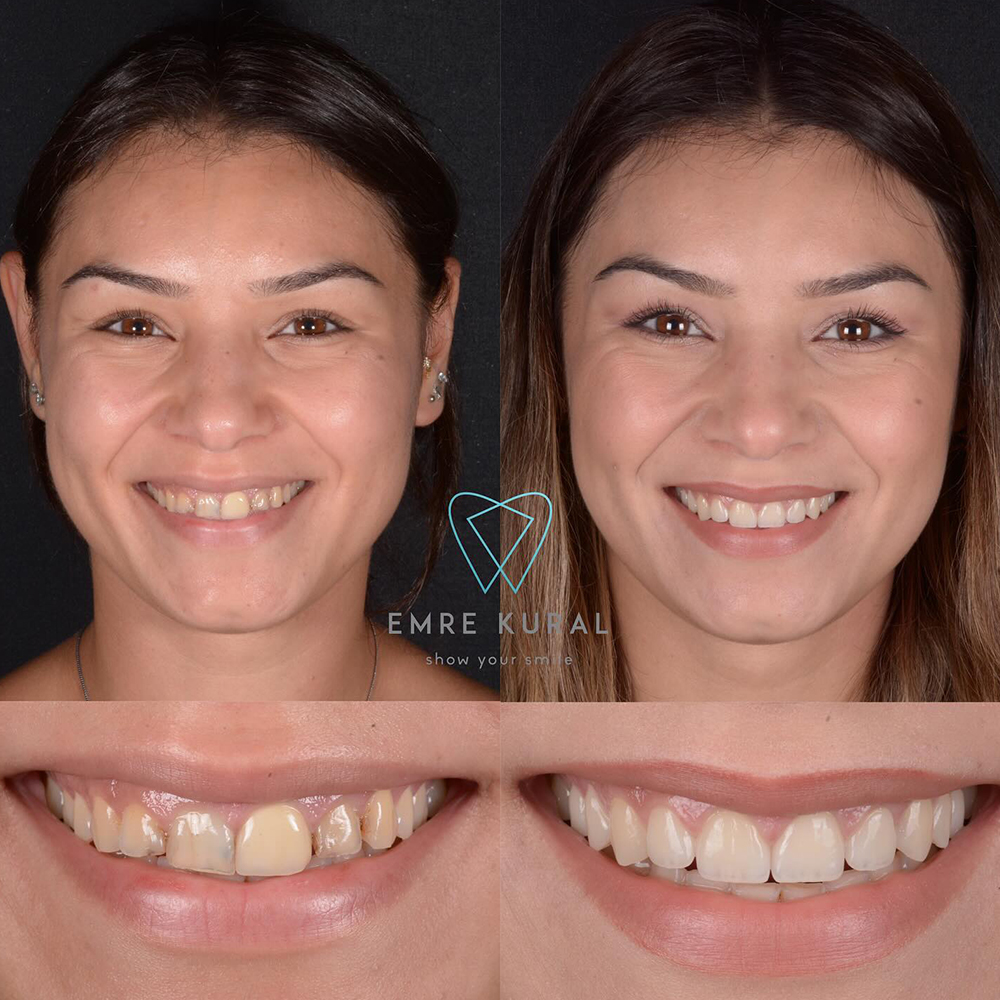
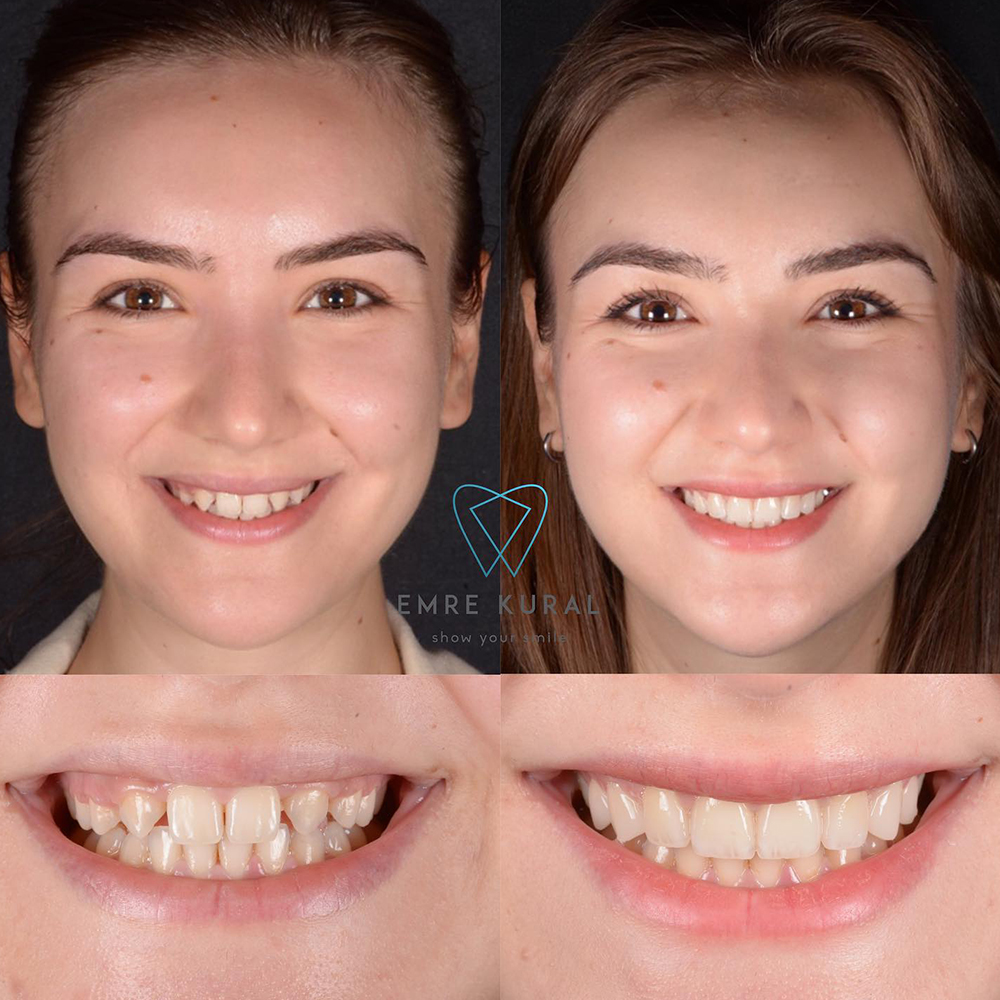
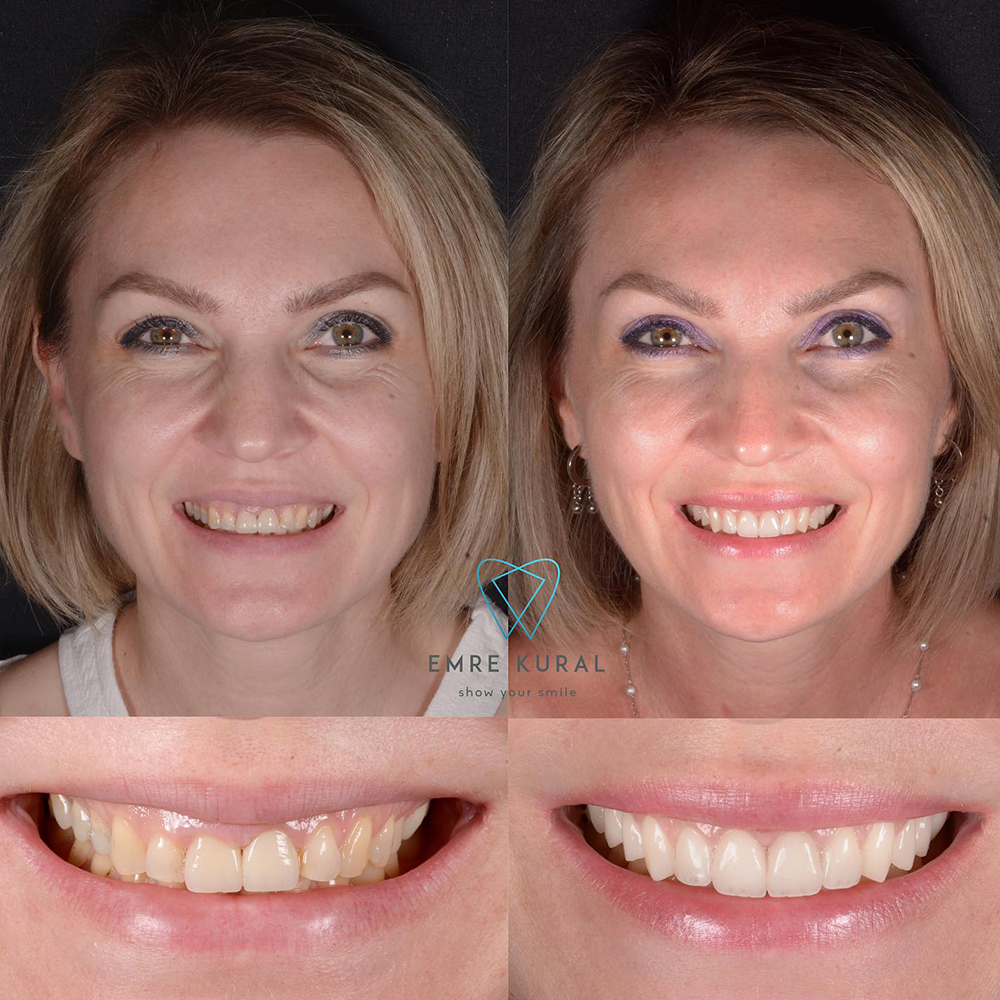
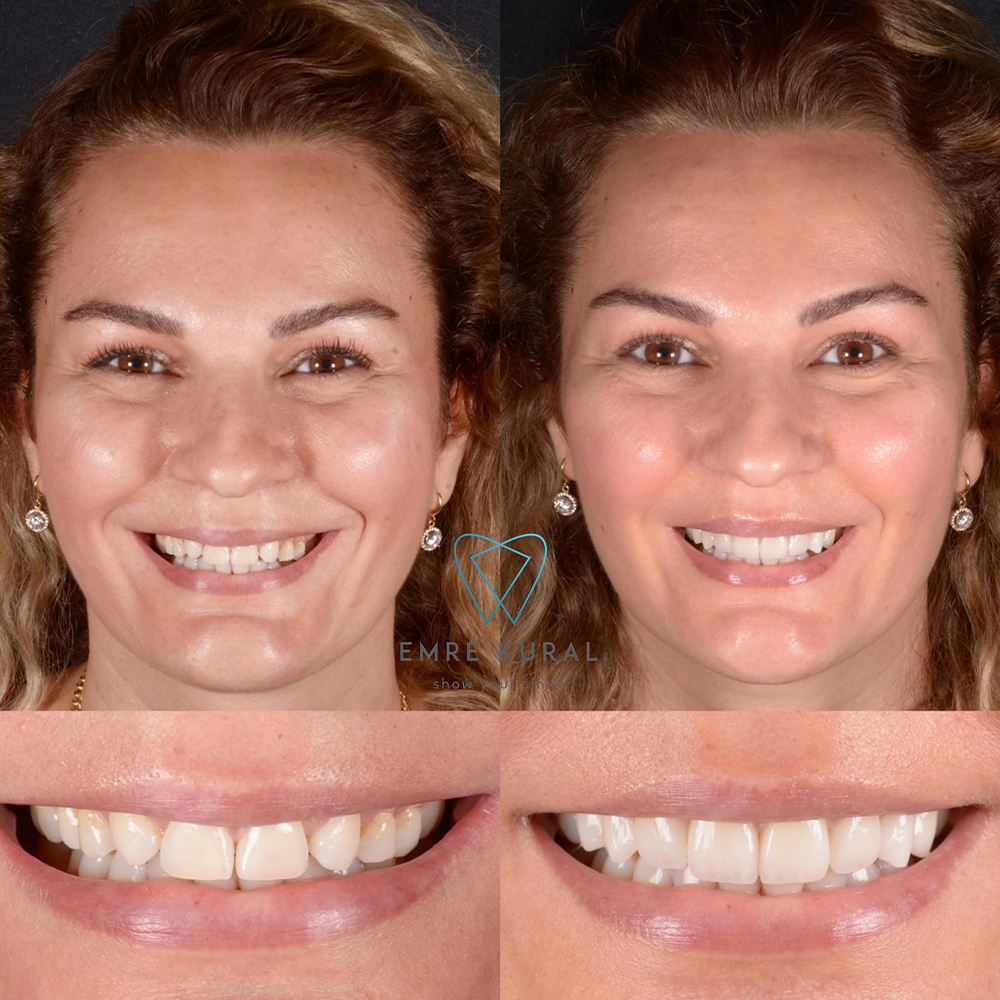
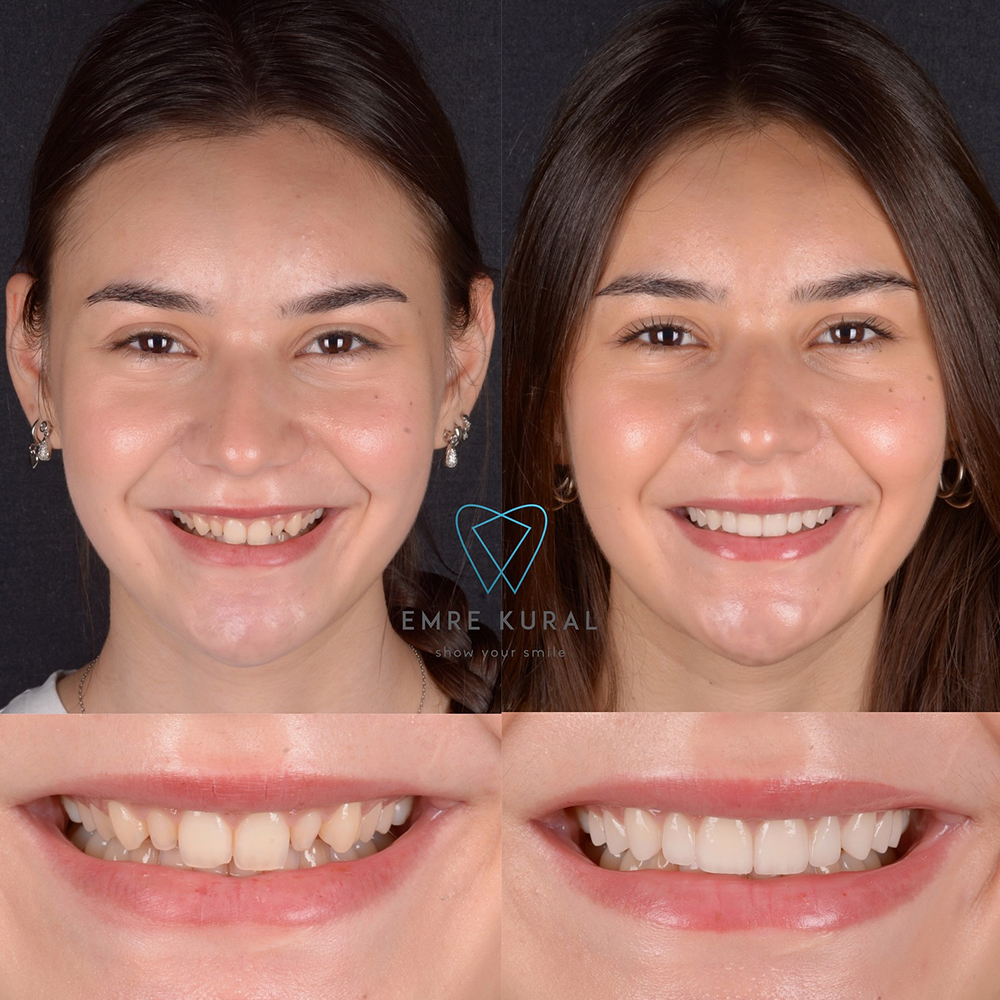
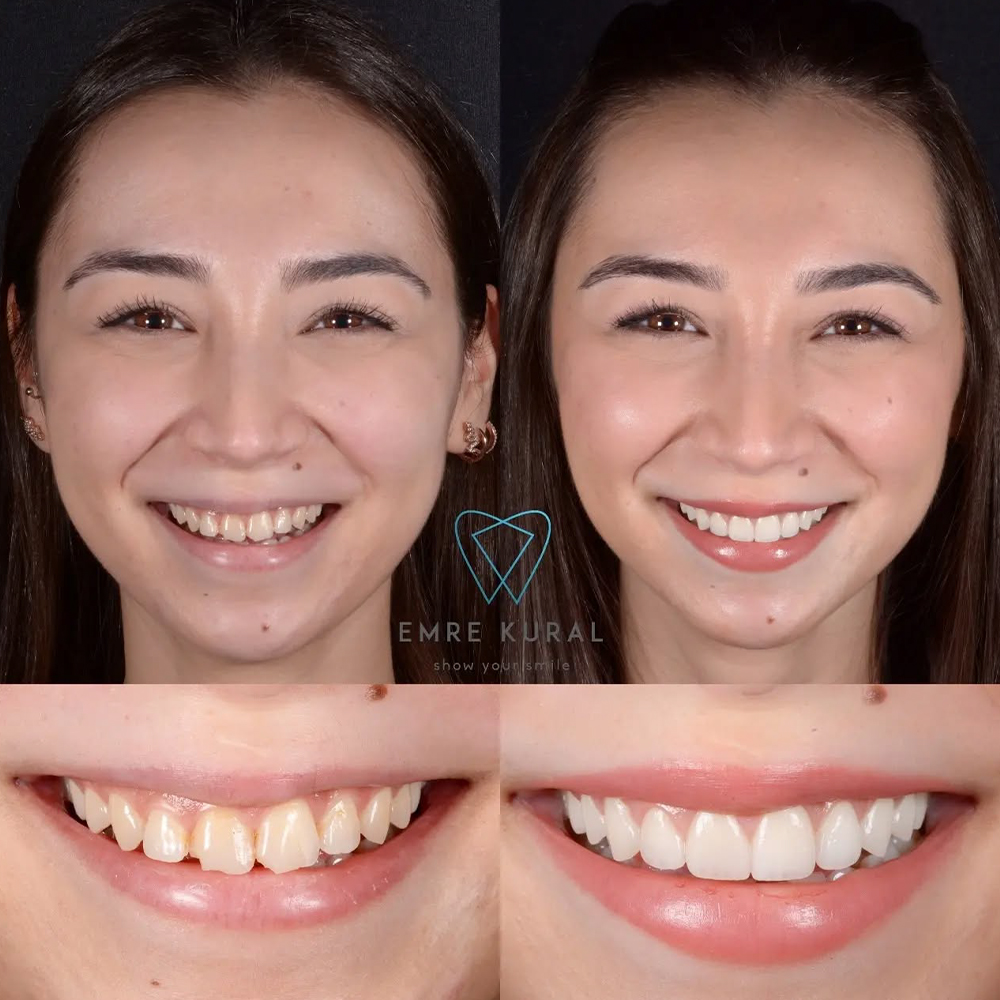
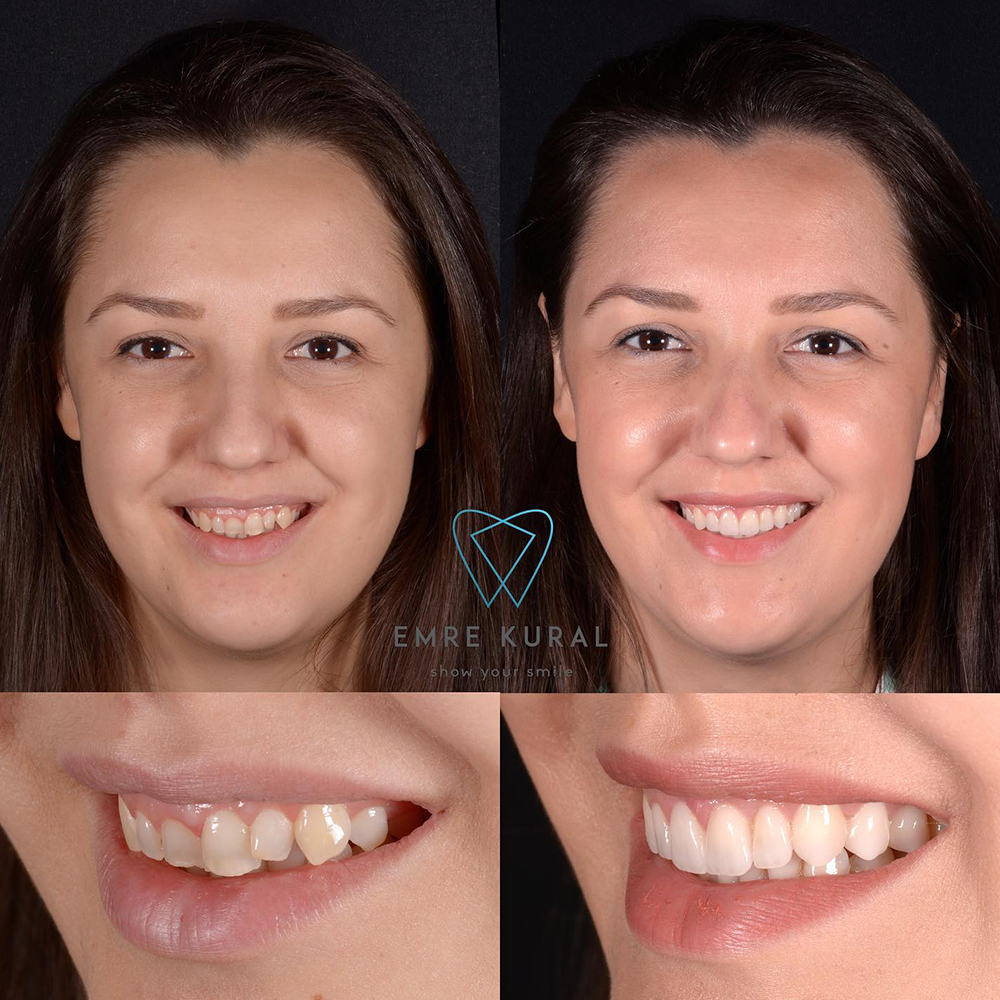
With his expertise in aesthetic dentistry, Dr. Emre Kural is a physician who shows high precision in both surgical and aesthetic stages in implant treatment. With digital imaging techniques, advanced planning systems, and personalized crown options, he offers his patients natural, strong, and long-lasting results. If you want to permanently complete your missing teeth and have a strong smile, you can safely receive treatment with Dr. Emre Kural’s professional approach.
Frequently Asked Questions About Dental Implant Treatment
1-) Is dental implant a painful procedure?
No. Thanks to local anesthesia, the procedure is painless.
2-) How long does implant treatment take?
The application takes 15–20 minutes, healing is 2–3 months.
3-) Can everyone have implants?
Implant can be done if there is sufficient bone structure and general health status is suitable.
4-) Does an implant last a lifetime?
With proper care, it can be used for 20 years and more.
5-) Is bone powder needed before implant placement?
It may be necessary depending on the bone density. It is decided with tomography.
6-) Does an implant tooth look natural?
Yes. The upper crown is designed to match exactly with the natural tooth.
7-) Does smoking affect the implant?
Yes. Smoking can negatively affect the healing time.
8- ) When can you eat after implant?
Soft foods can be started after the anesthesia wears off.
9-) What factors affect implant costs?
It varies according to brand, crown type, bone structure, and additional procedures.
10-) Does an implant cause allergy in the body?
No. Titanium is a biocompatible material.