 Deutsch
 Türkçe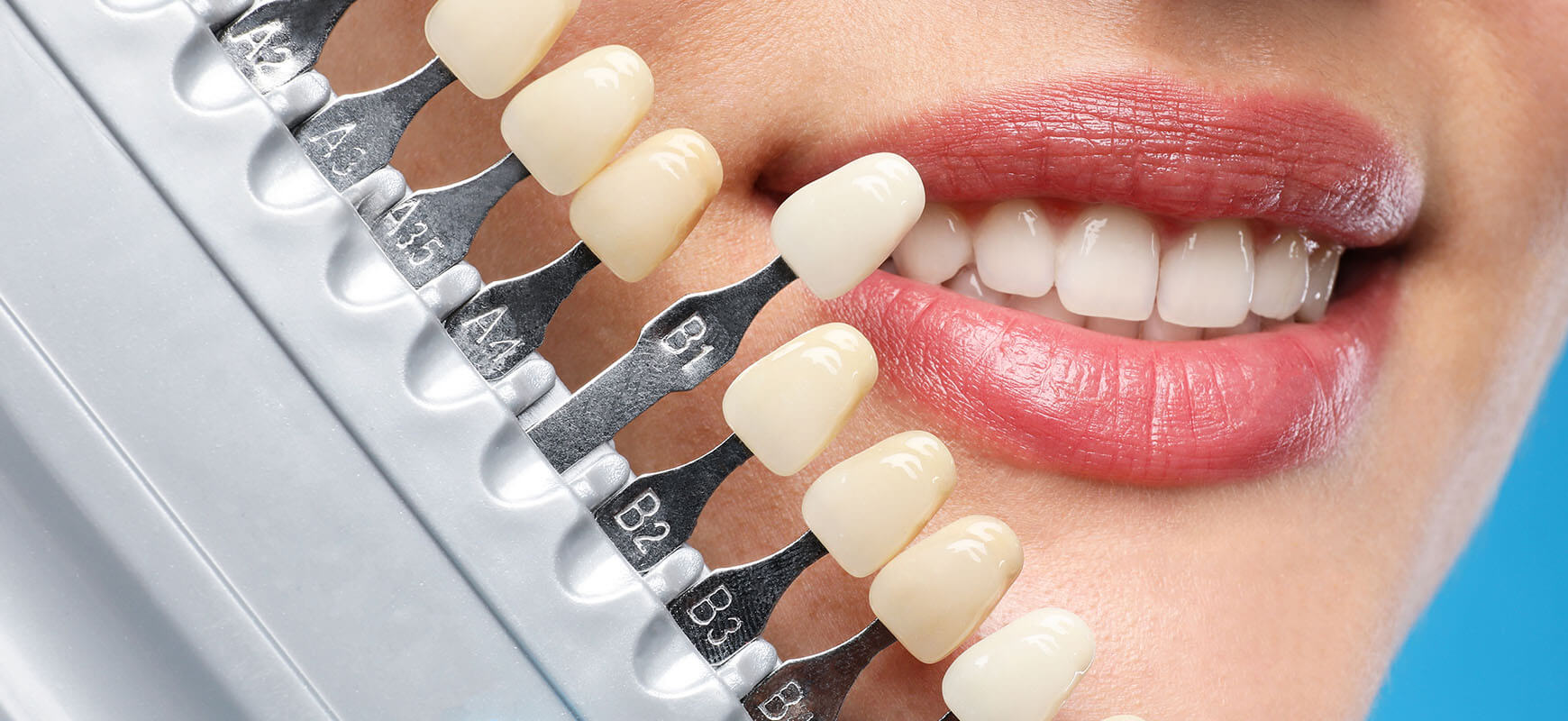
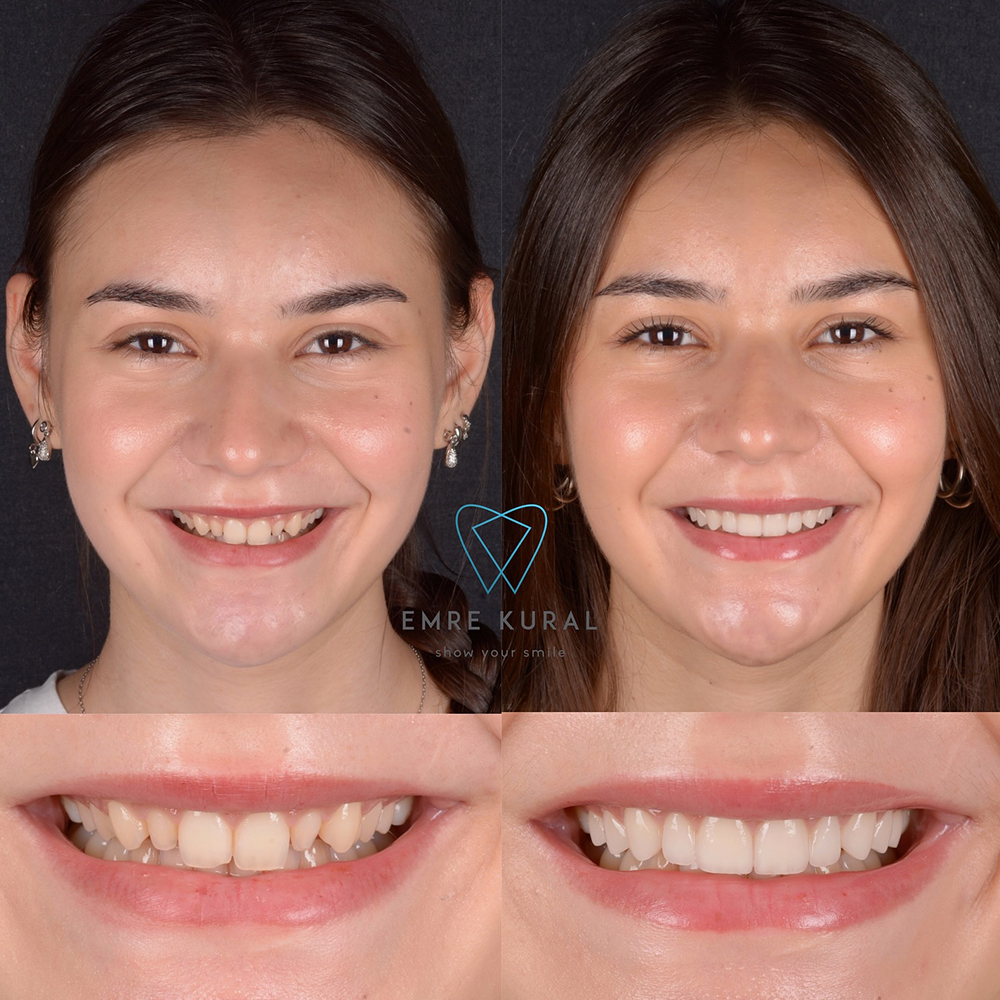
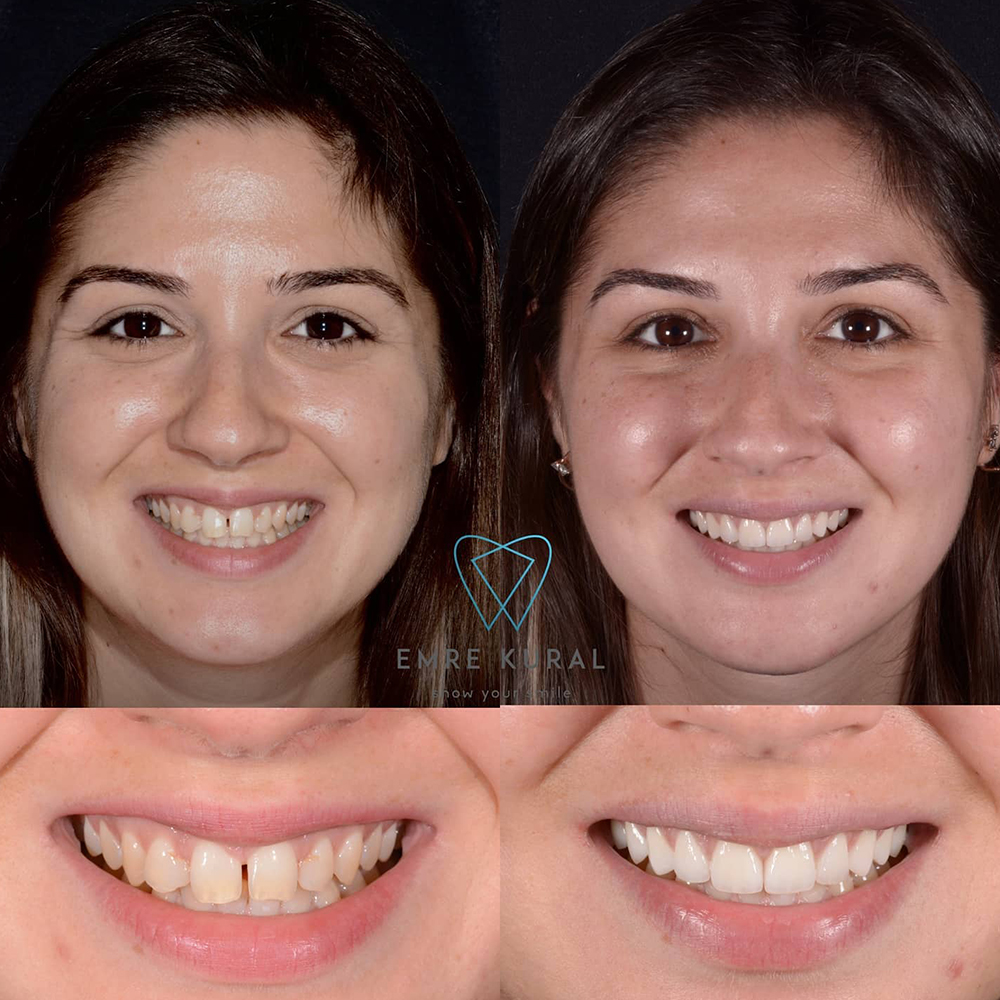
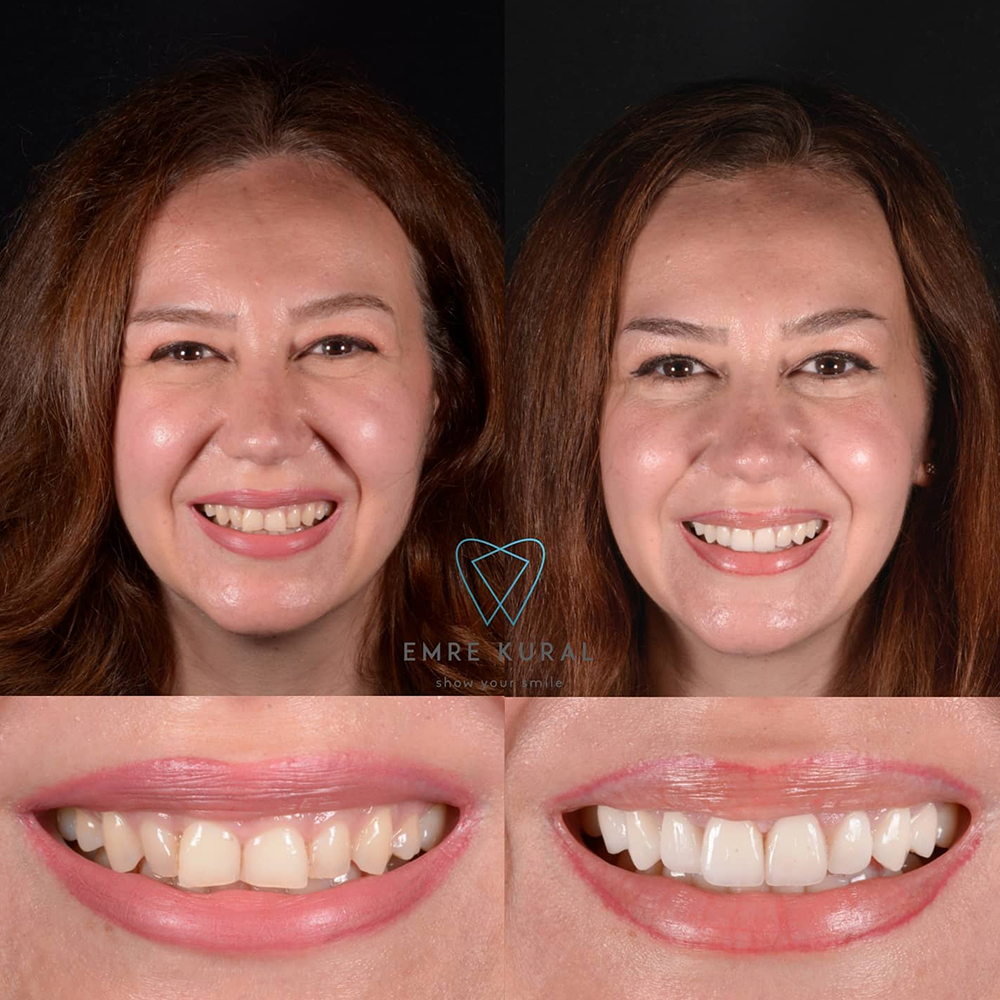
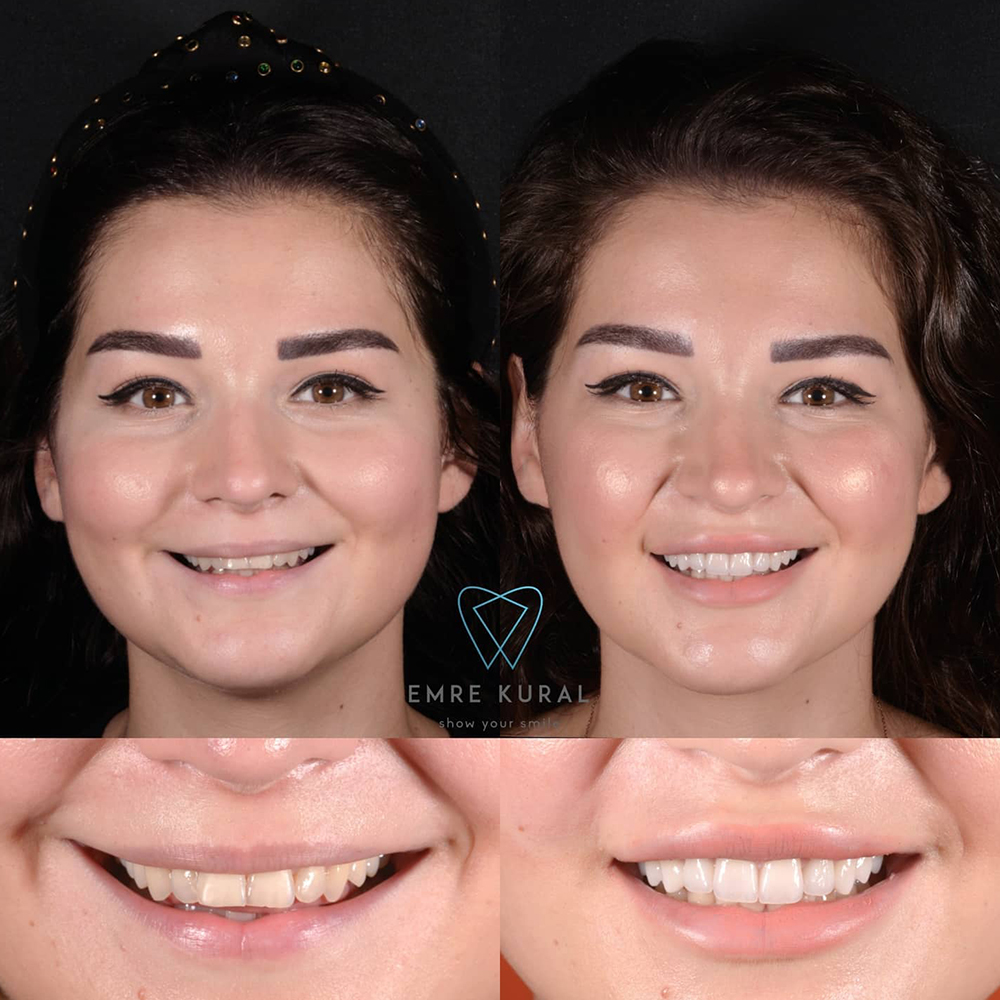
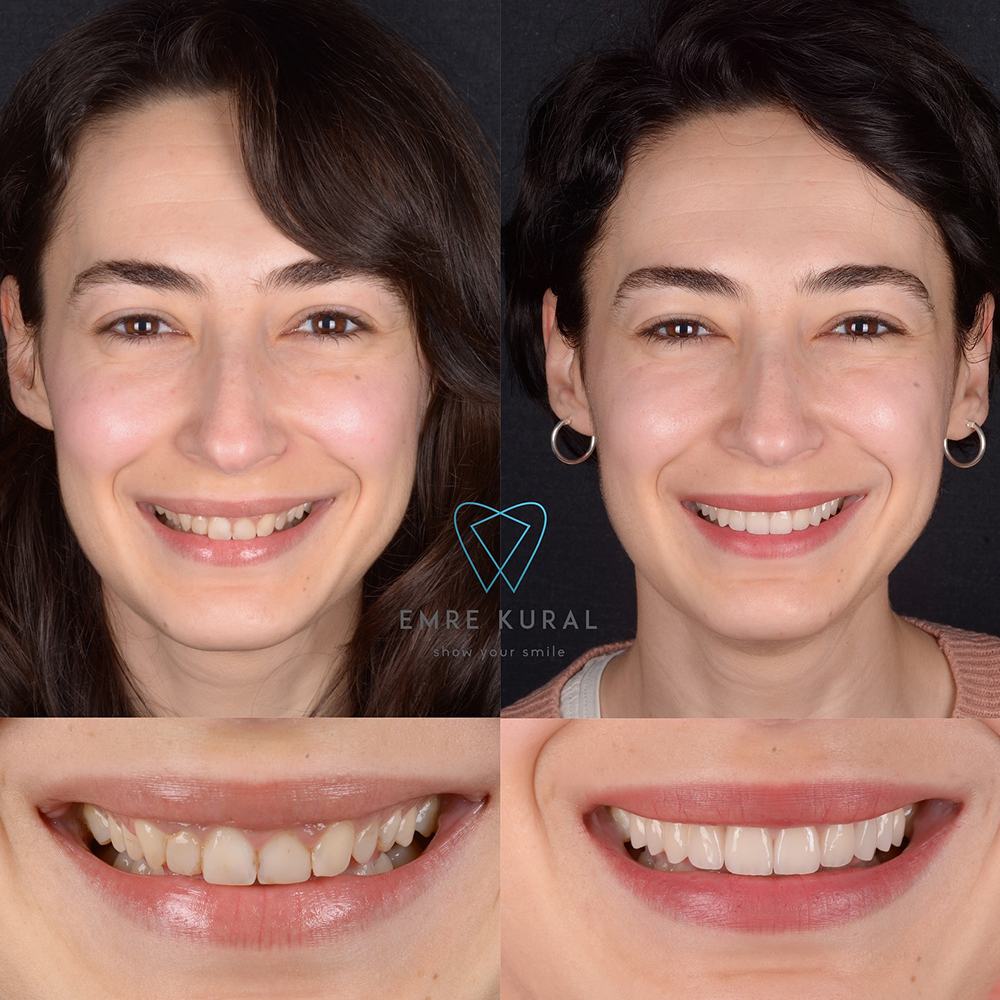
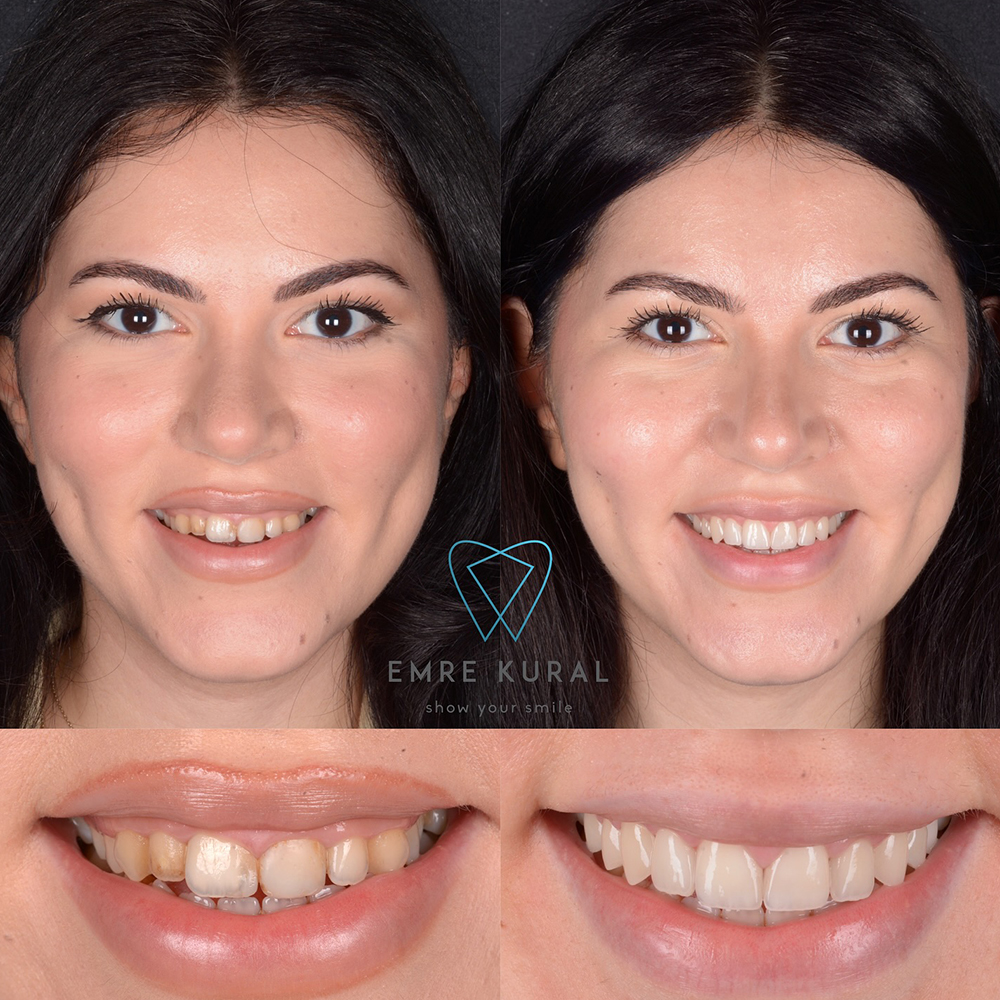
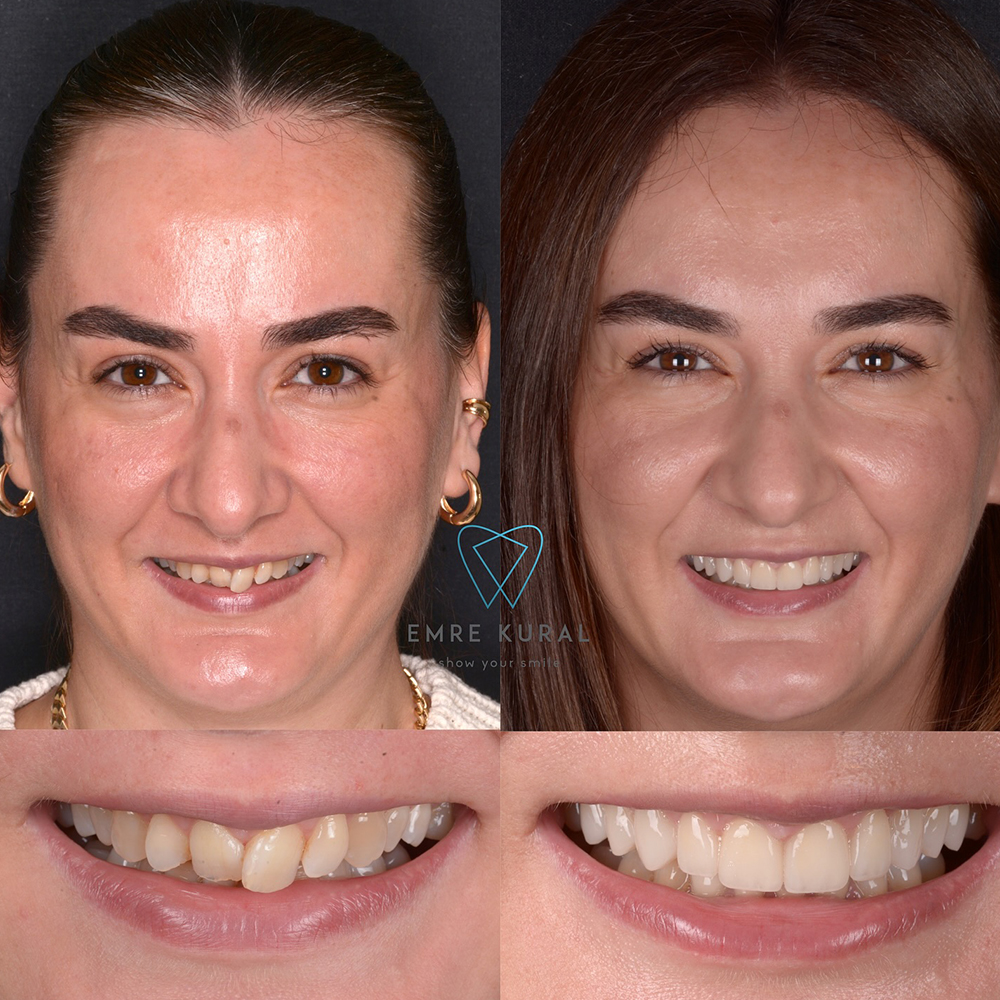
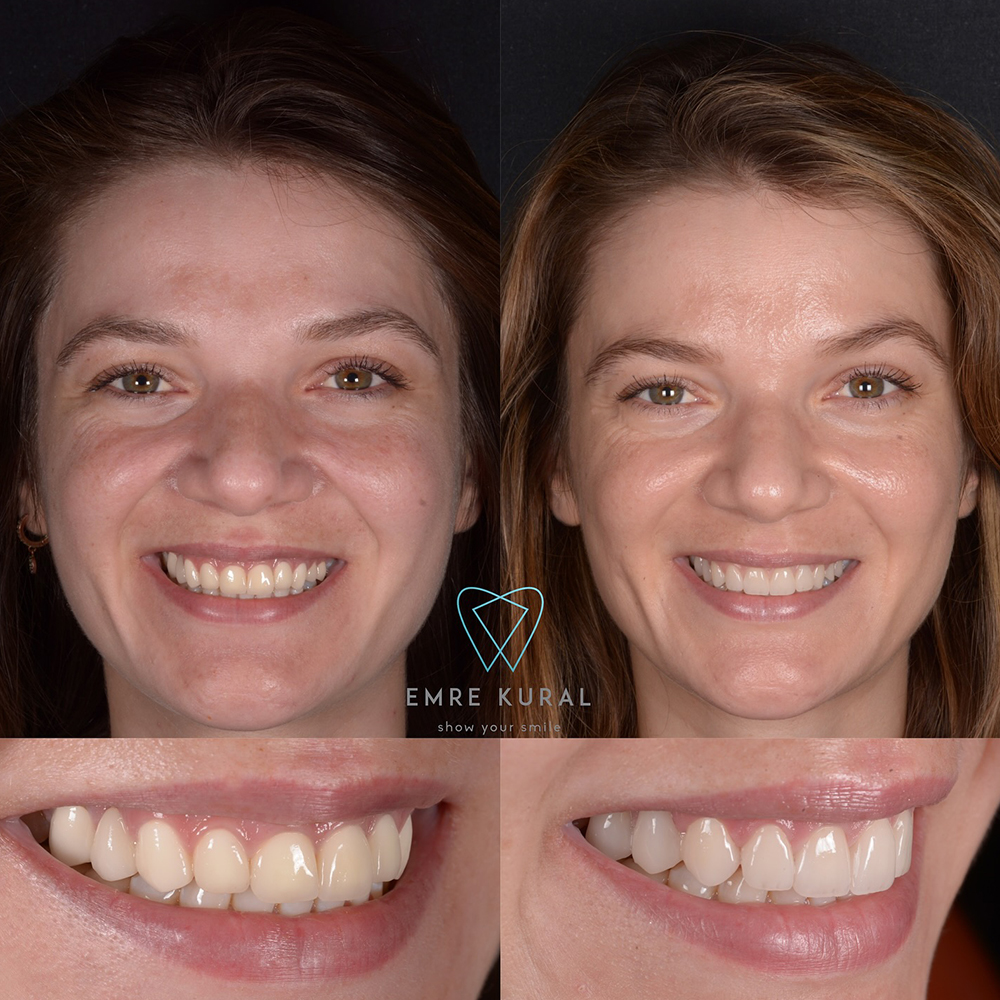
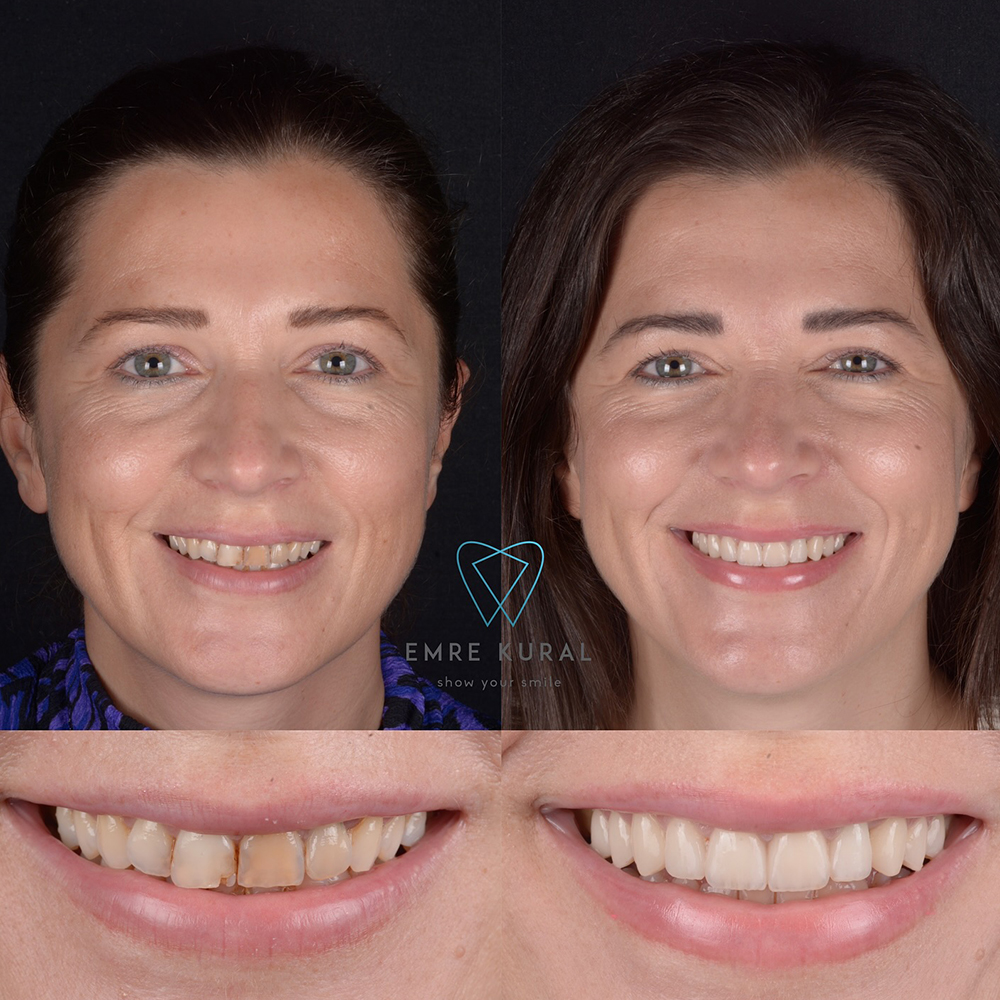
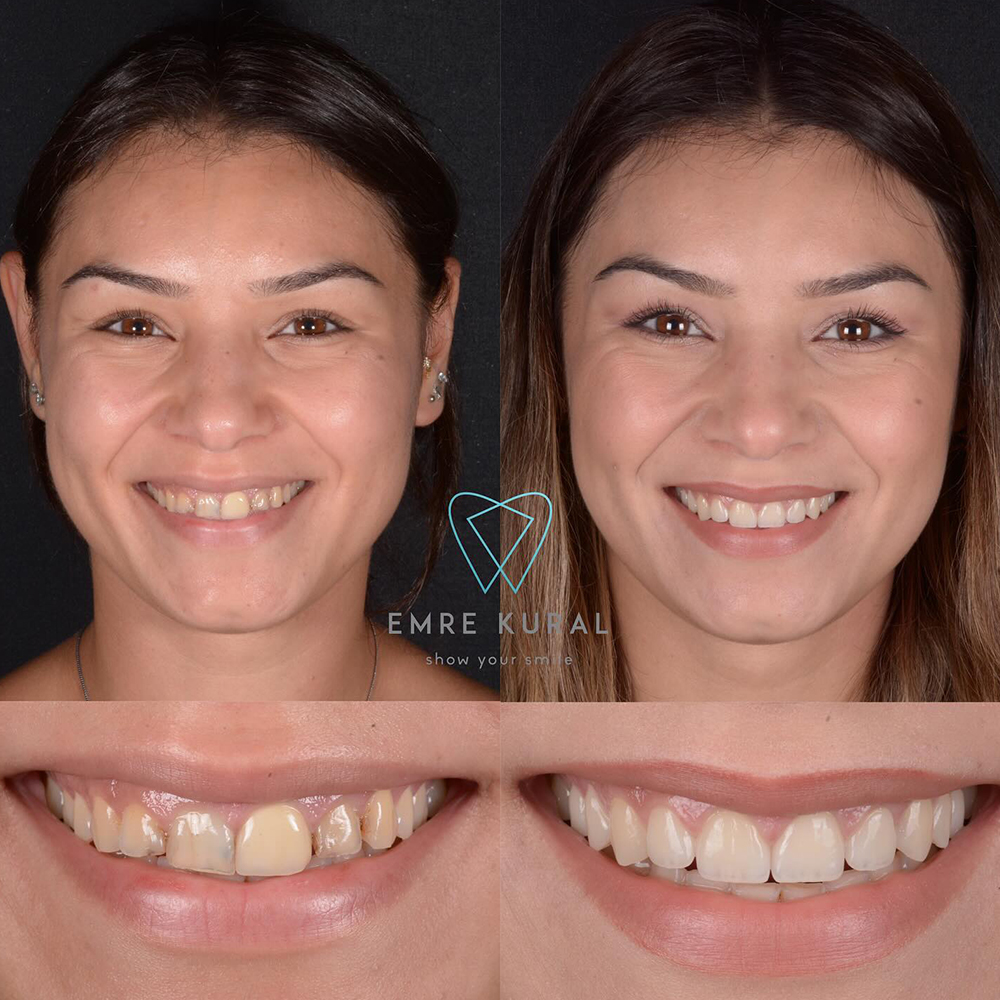
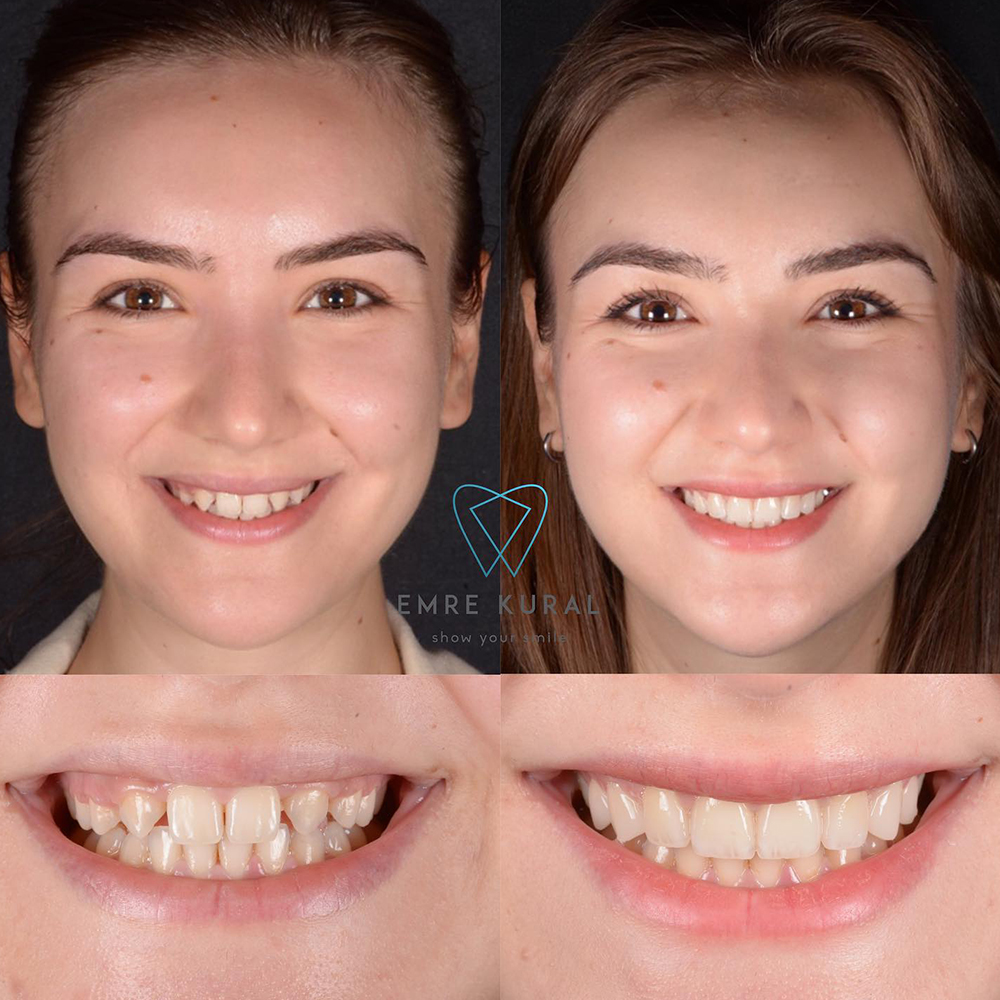
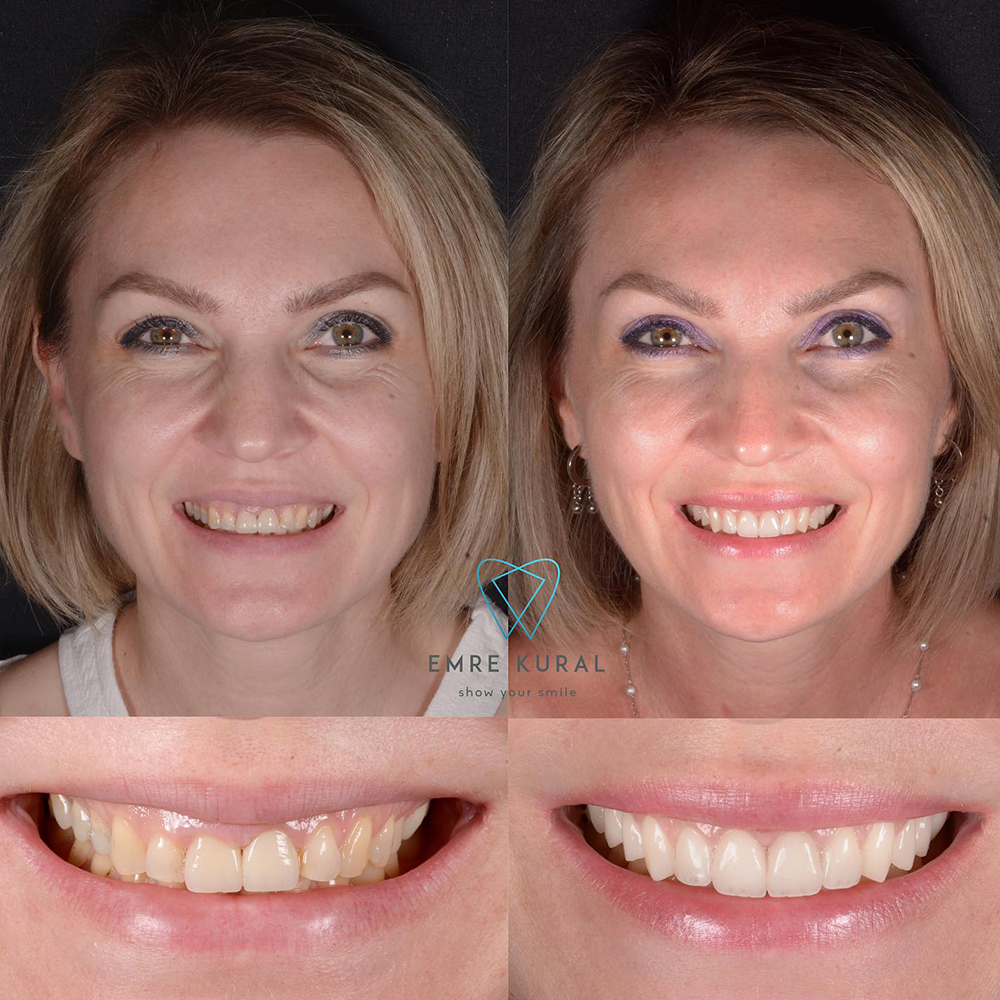
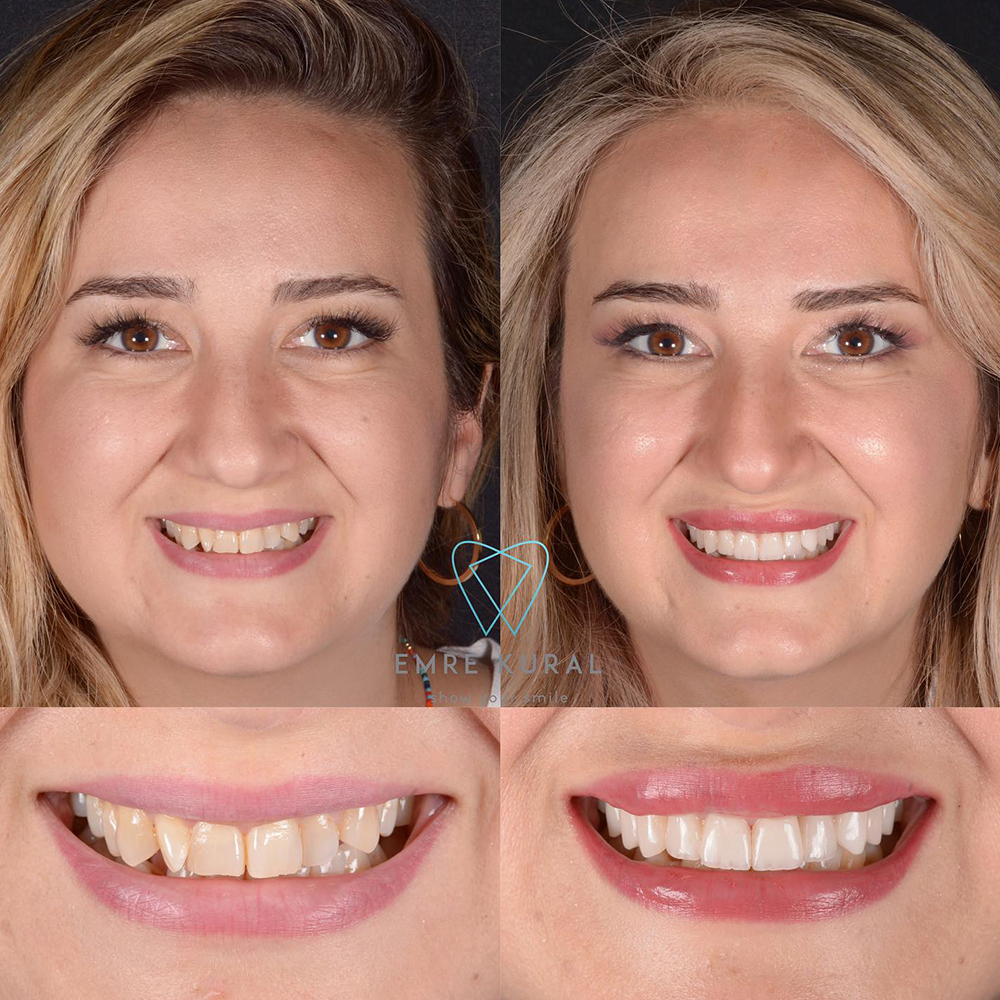
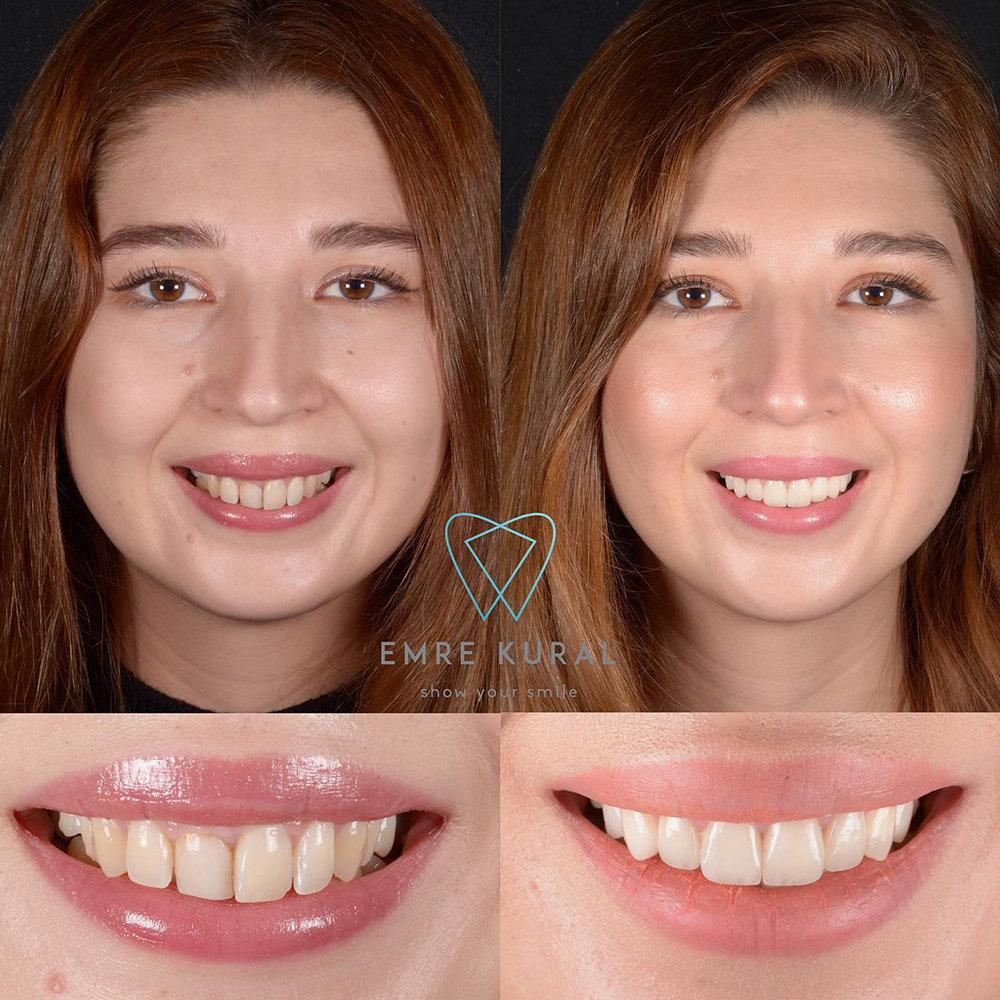
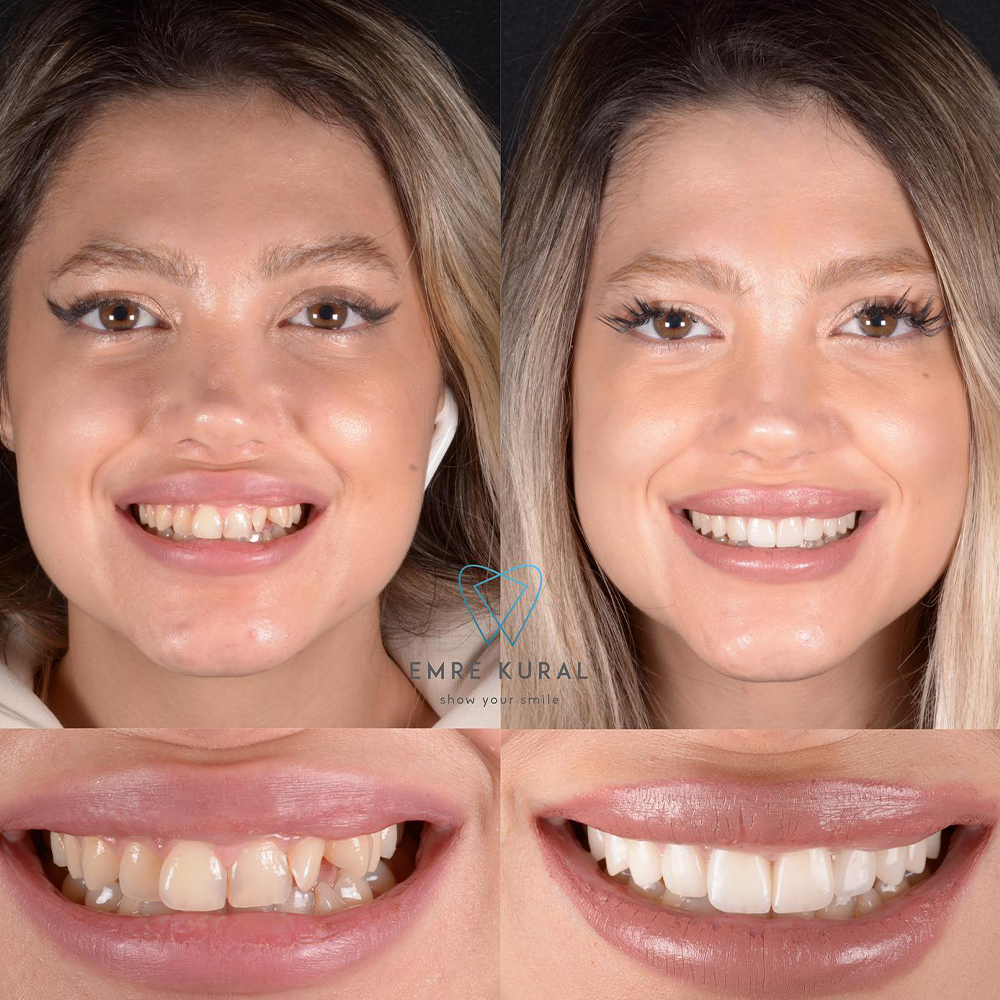
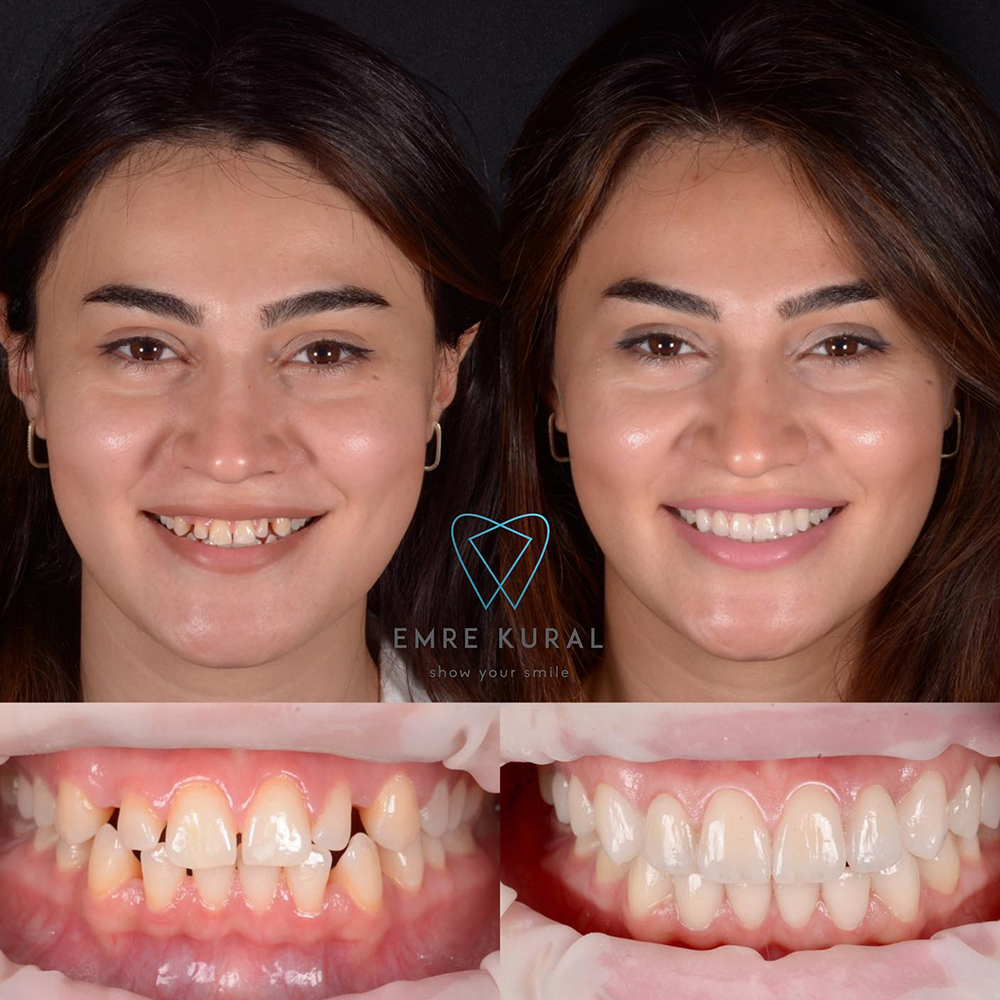
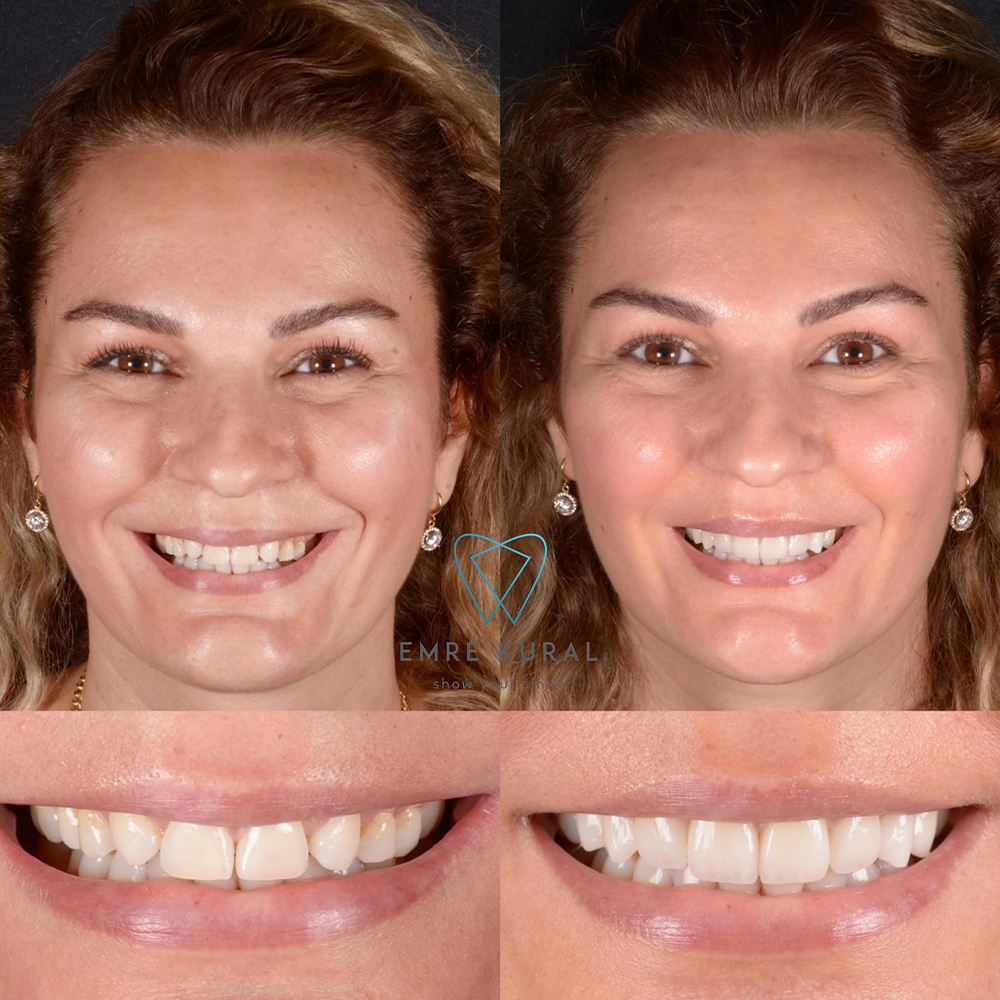
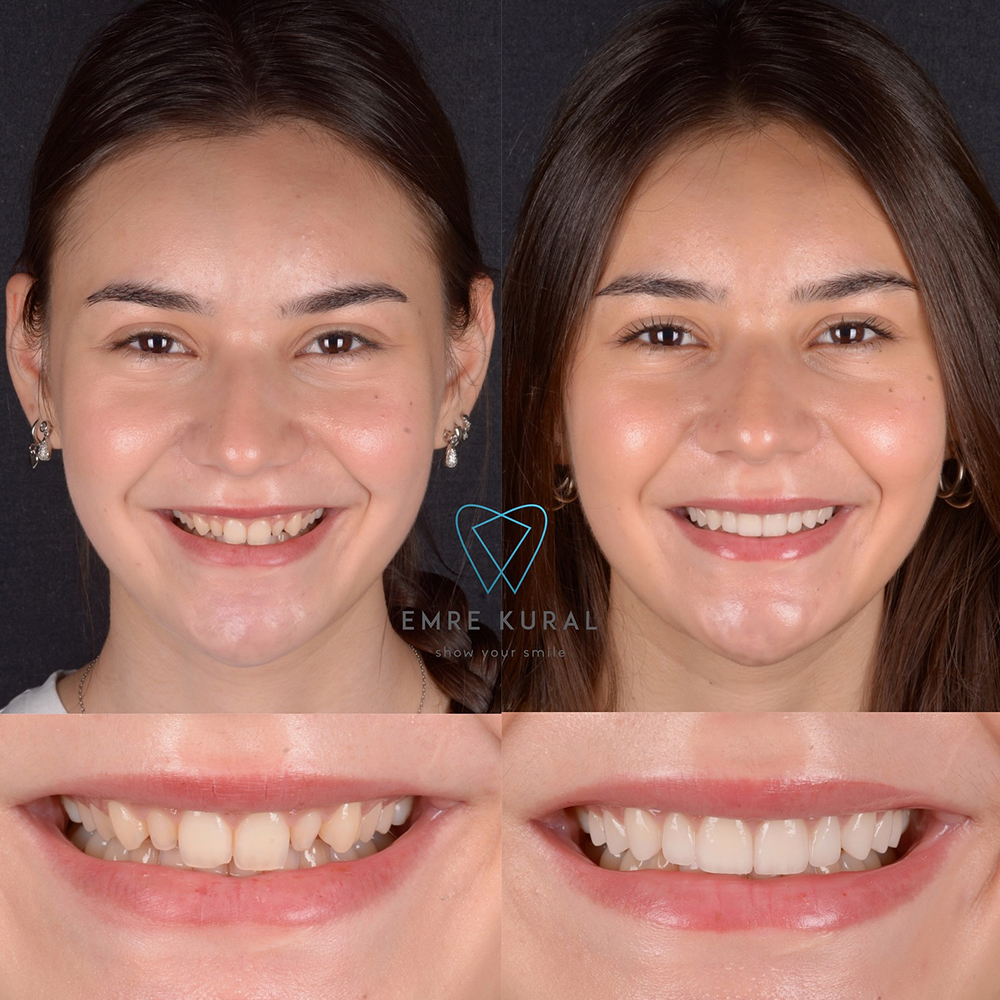
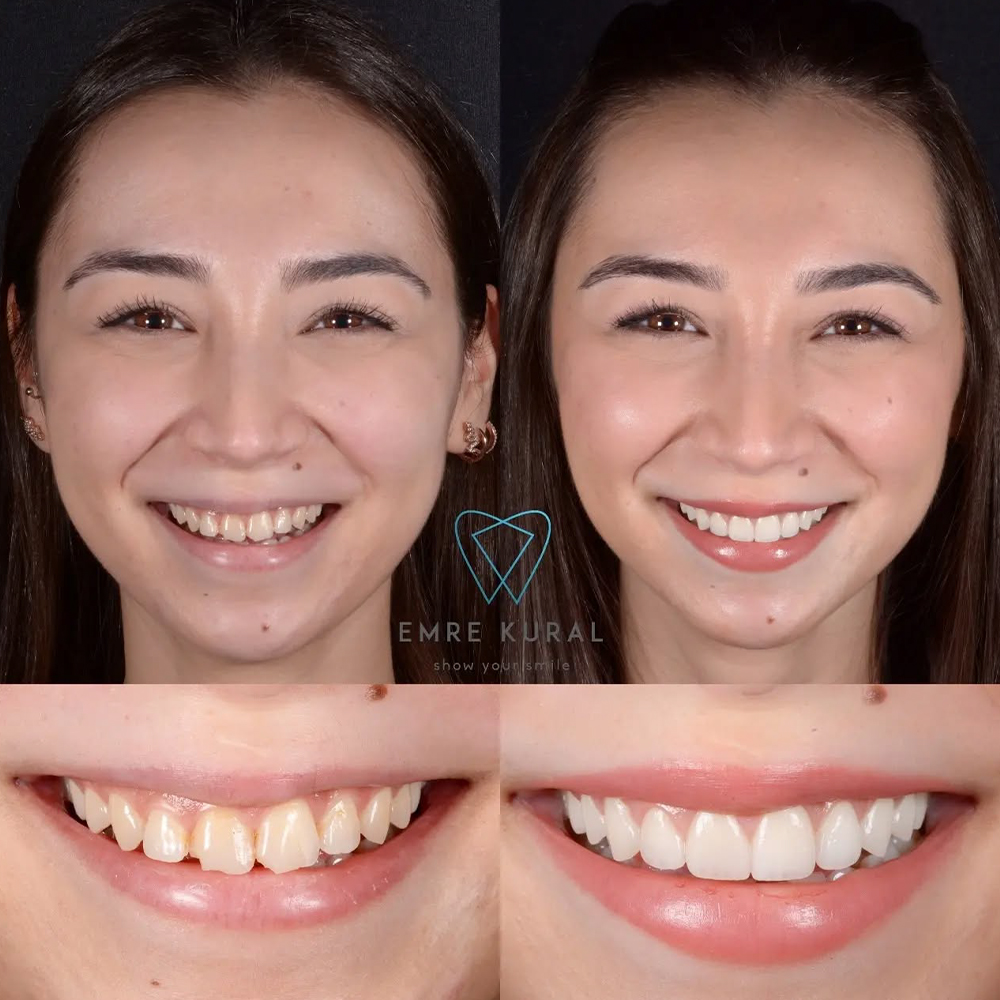
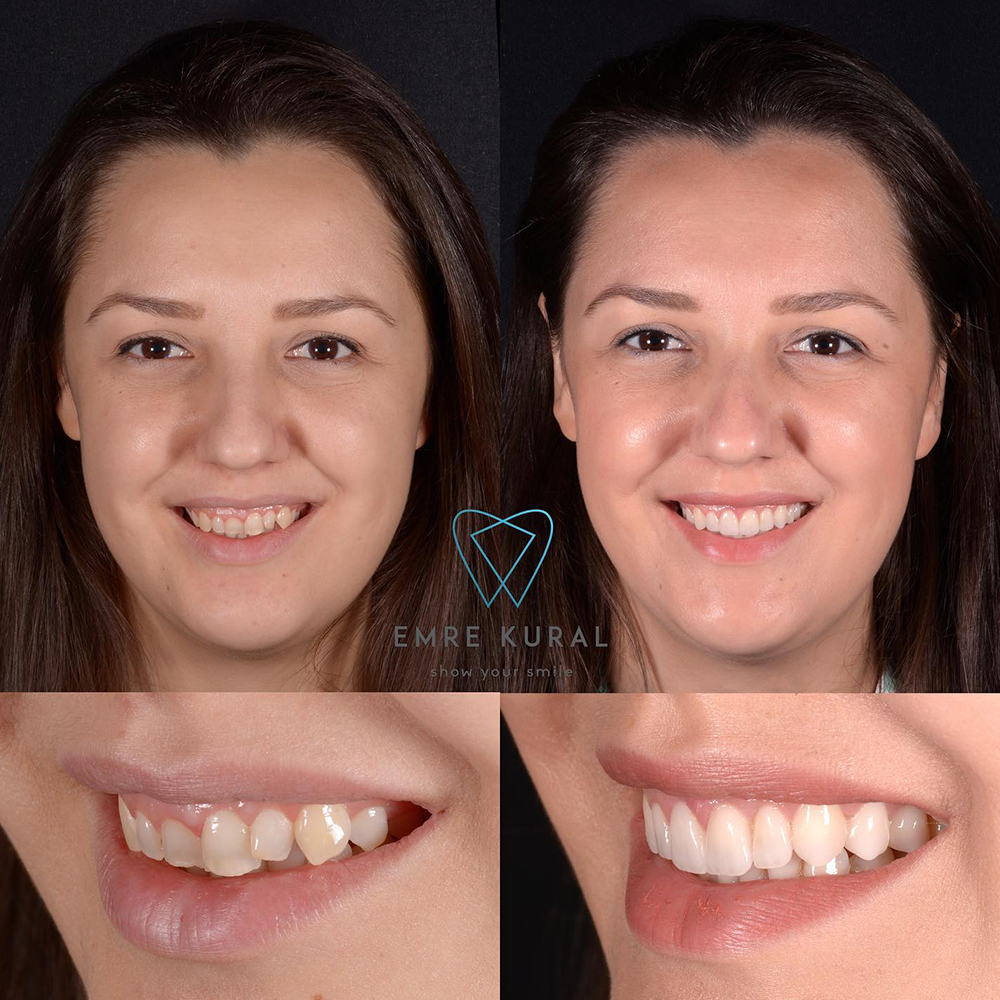
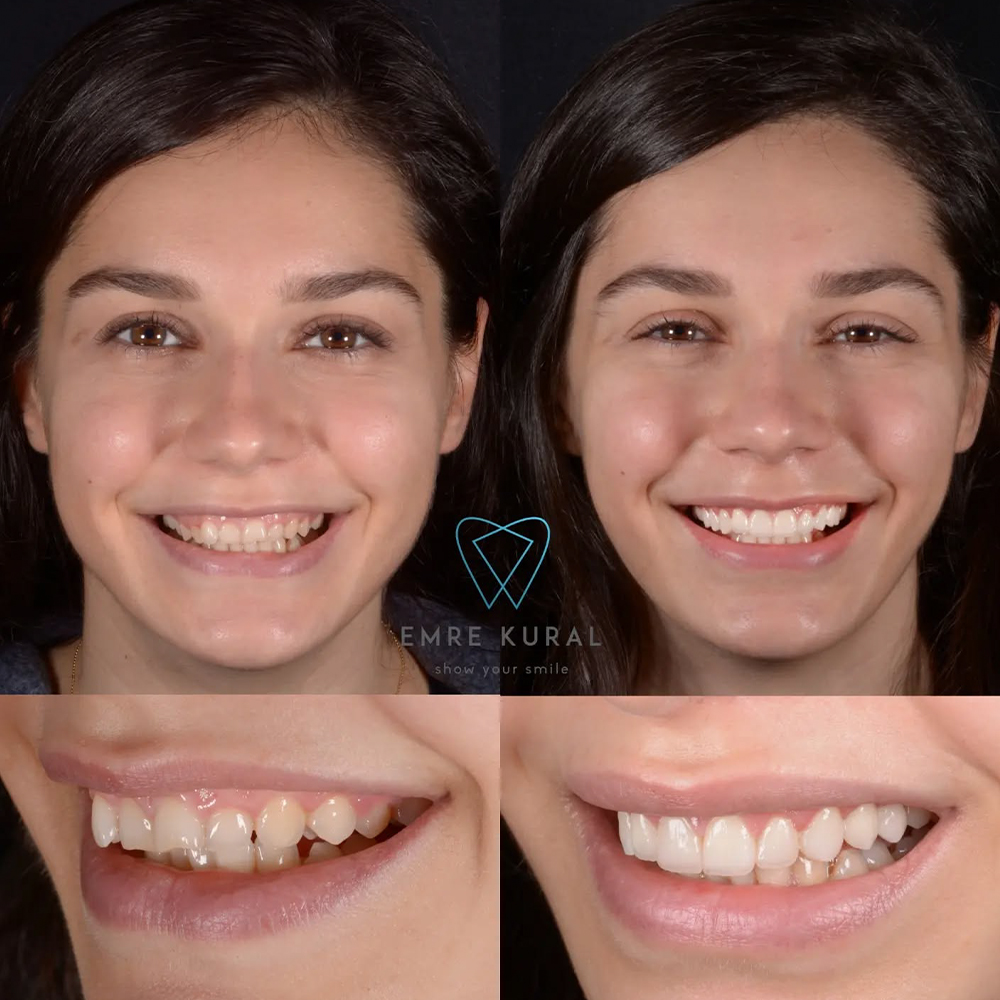
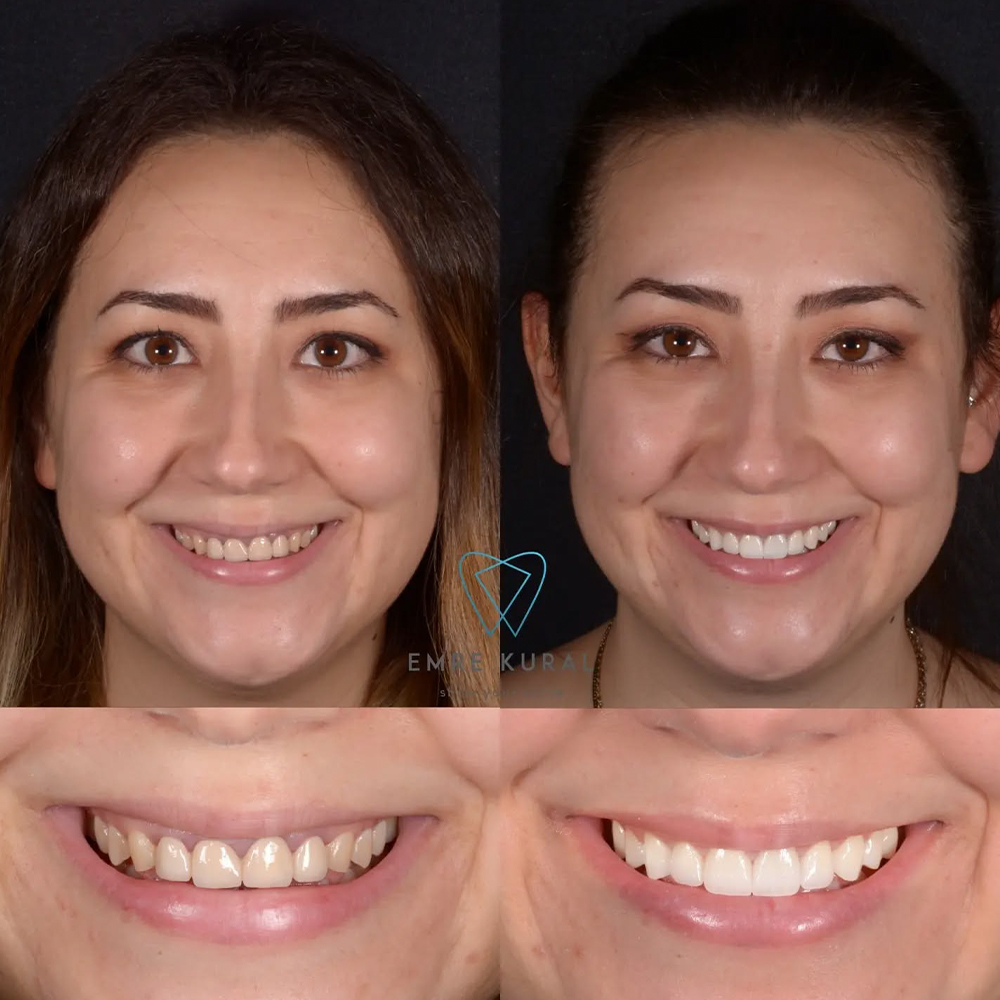
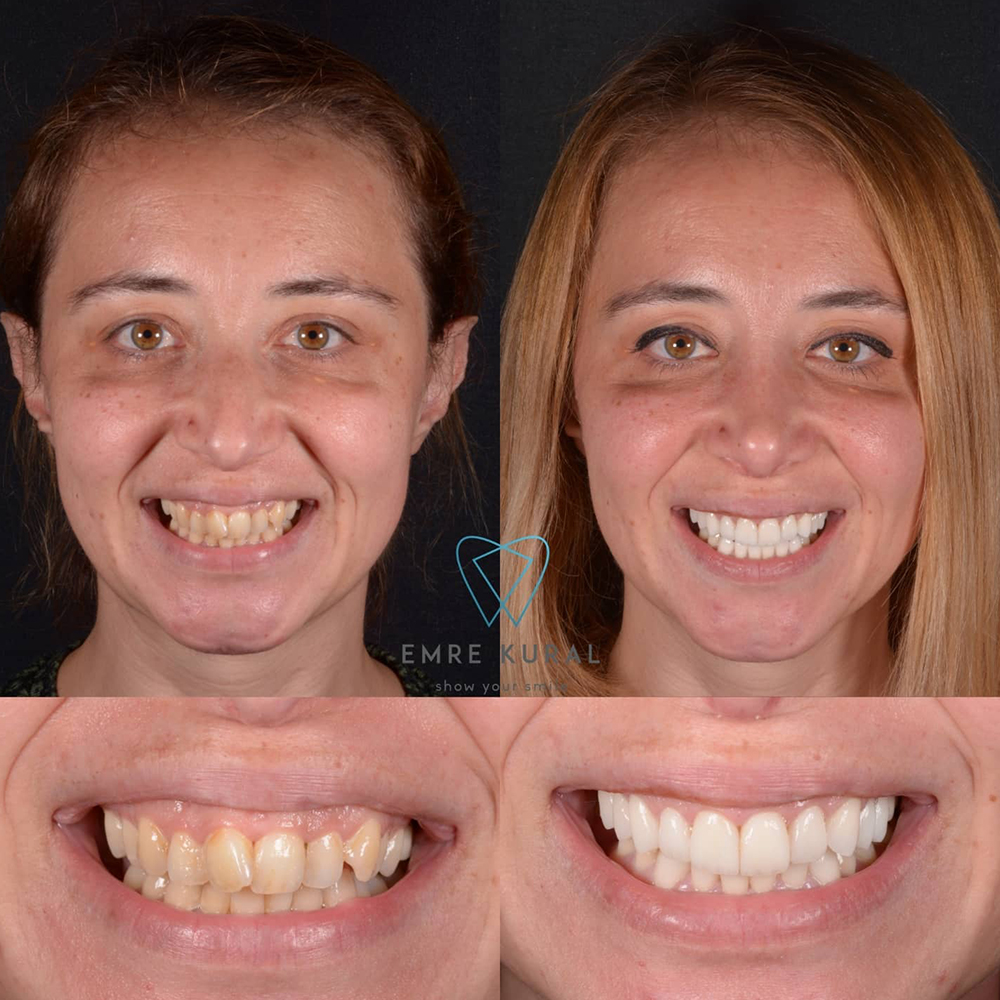
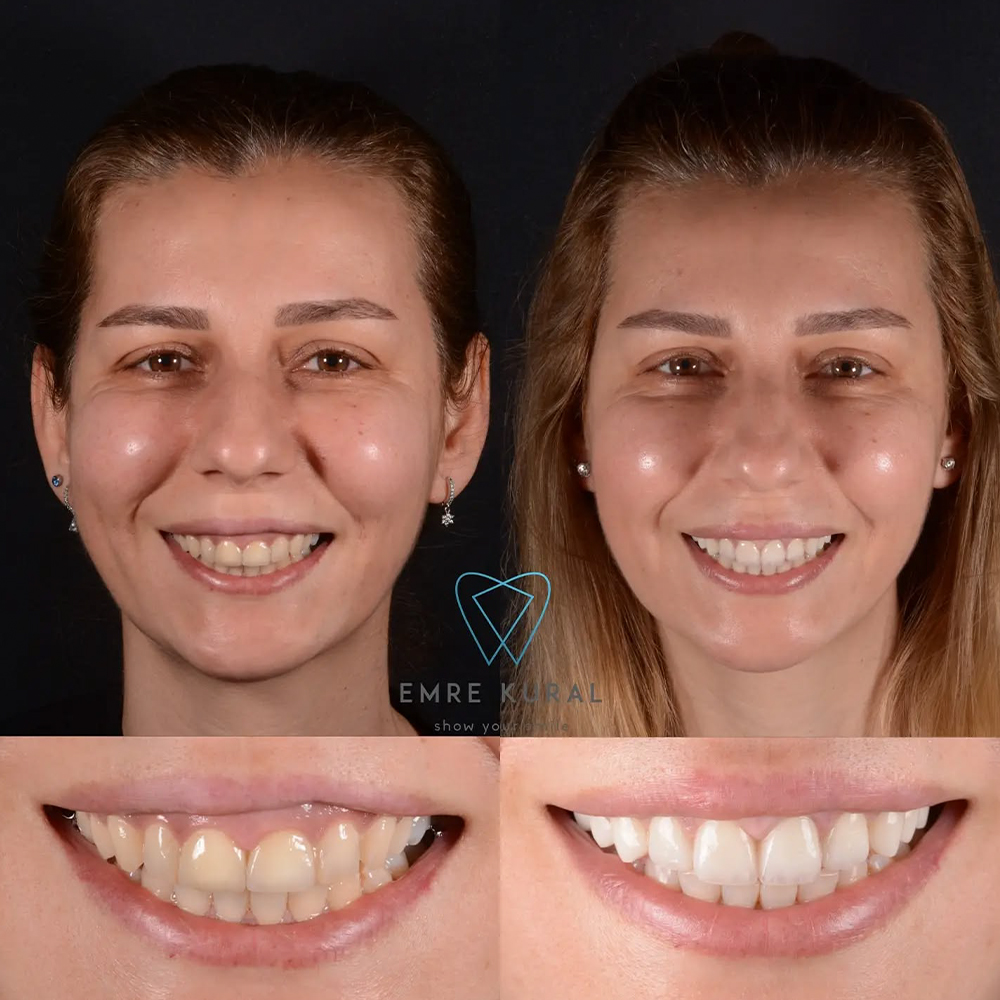
Laminate dental veneer is a modern dental aesthetics method that offers the highest level of naturalness, where aesthetic imperfections are covered with thin porcelain leaves applied only to the front surface of teeth. Known popularly as “leaf porcelain,” laminate is one of the most preferred aesthetic procedures in today’s smile design applications due to its minimal reduction requirement and its ability to provide results closest to natural tooth appearance thanks to light transmittance. Laminate veneers, which perfectly correct many aesthetic problems such as tooth color issues, shape irregularities, gaps, and fractures, provide both functional and aesthetic transformation.
Despite being extremely thin, laminate veneers have high durability and maintain their original appearance for many years when applied correctly. Especially in patients with high aesthetic expectations, laminate veneers are one of the main elements of a smile design that highlights natural beauty. When performed by a physician specialized in aesthetic dentistry like Emre Kural, the results are both compatible with facial features and create a smile harmony unique to the patient.
What Is Laminate Dental Veneer?
Laminate dental veneer is an aesthetically focused veneer type consisting of porcelain leaves 0.3–0.7 mm thick that are bonded to the tooth surface. The veneers are applied only to the front surface of teeth, and natural tooth tissue is largely preserved. For this reason, laminate treatment is one of the most important applications of the dentistry concept called “minimal invasive aesthetics.”
Laminate veneers are produced from special porcelain materials and transmit light just like natural teeth. This feature makes laminate one of the most natural and aesthetic methods in terms of dental aesthetics. Thanks to the material’s high resistance to staining, laminate veneers maintain their white and bright appearance for many years.
While classic veneers require more reduction of tooth tissue, in laminate veneers, minimal filing is usually done—in some cases, it can even be applied without any reduction (no-prep laminate). Therefore, it is one of the most ideal aesthetic treatments for modern patients who aim to preserve dental health.
In Which Situations Is Laminate Dental Veneer Preferred?
Laminate veneers are a solution especially preferred by people with high aesthetic expectations. Laminate veneers offer very effective results in the following situations:
1-Desire to Permanently Lighten Tooth Color
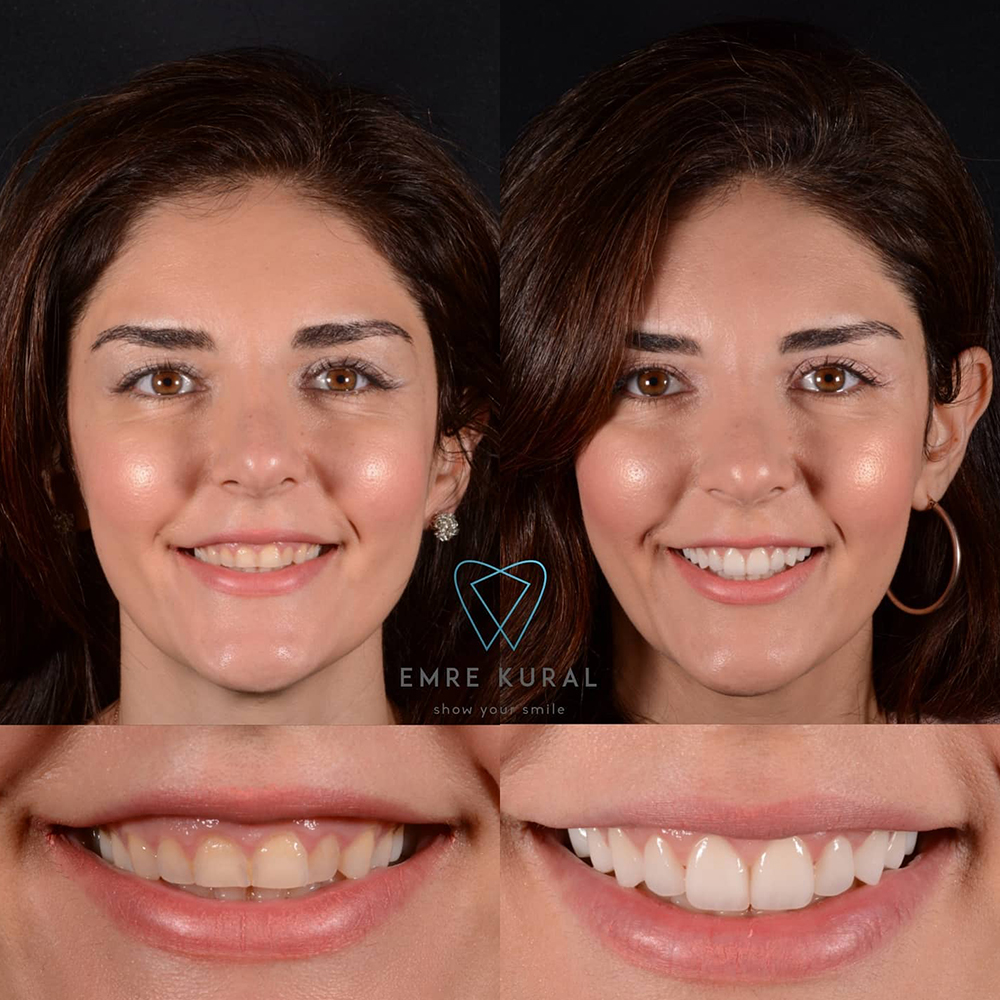
In some people, teeth are naturally dark-colored or there may be permanent color disorders due to antibiotic use (tetracycline). When whitening treatments are insufficient, laminate veneers are an ideal solution.
2-Tooth Shape and Size Irregularities
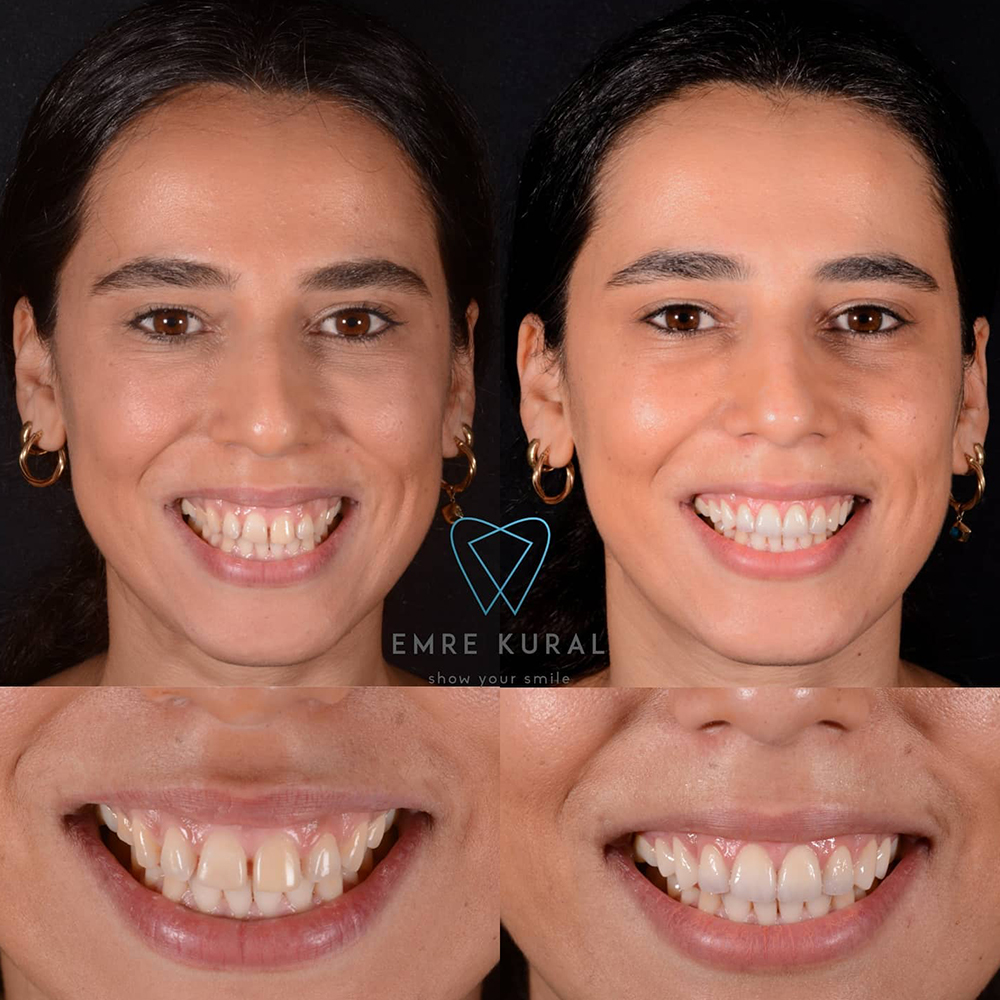
Short, small, pointed, irregular, or asymmetric teeth can be brought to perfect form with laminate veneers.
3-Gap Between Teeth (Diastema)
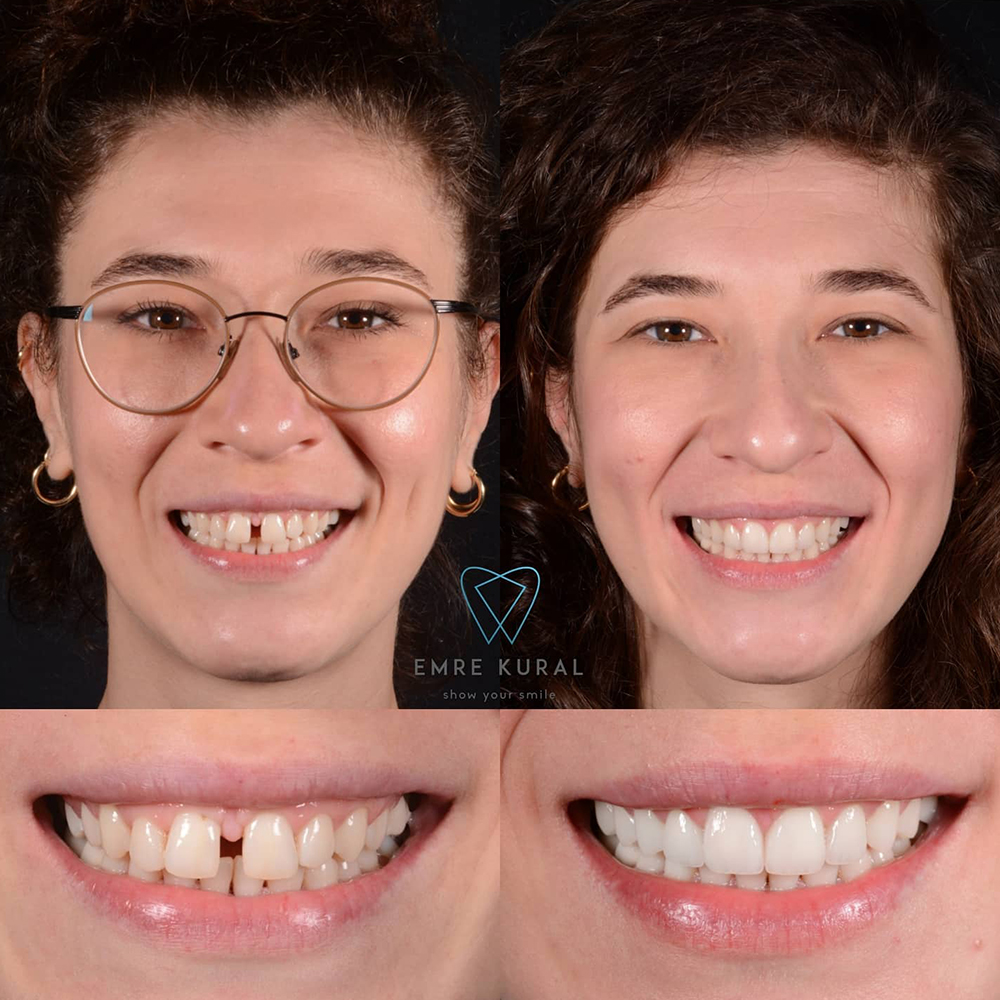
The gap between the two front teeth can be easily closed with laminates.
4-Broken or Cracked Teeth
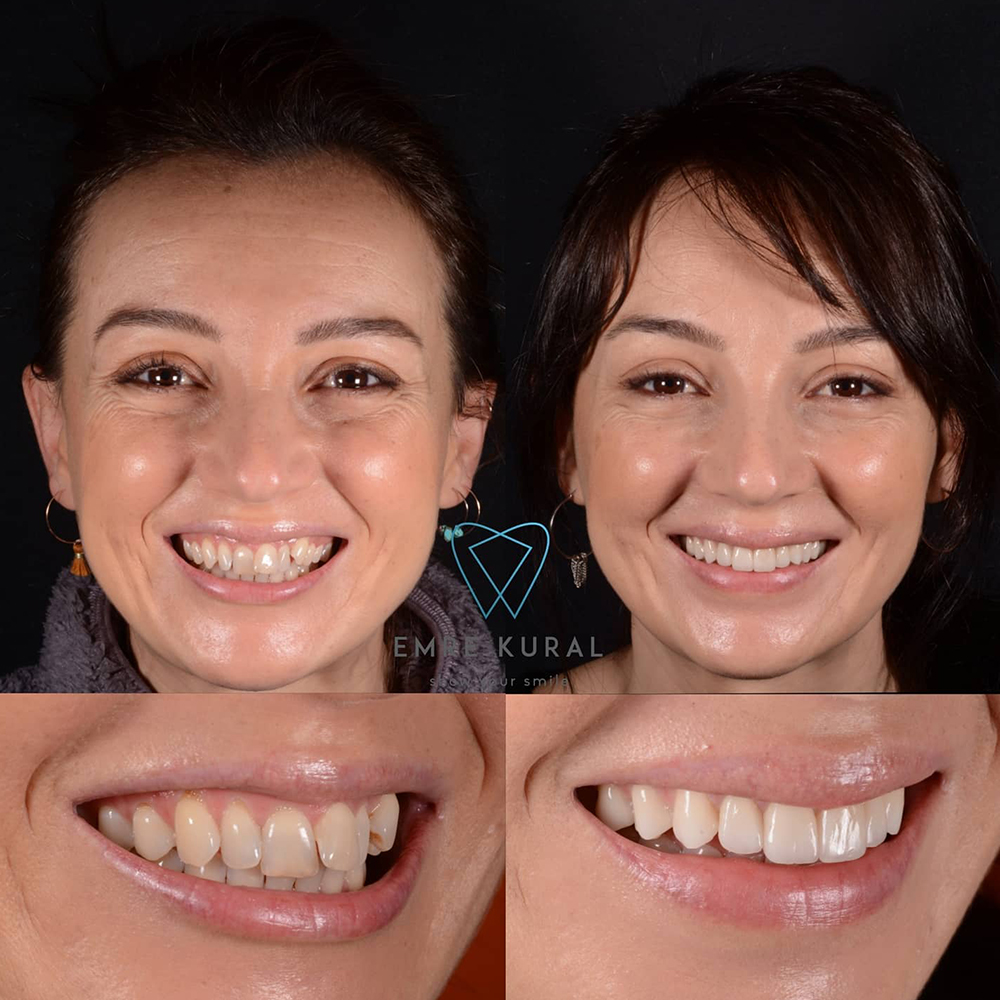
Fractures that cause aesthetic discomfort are restored with a natural appearance thanks to laminate veneers with minimal reduction.
5-Worn Teeth
Tooth surfaces that have become thin due to teeth clenching (bruxism) or acid erosion can be reshaped with laminates.
6-Smile Design Applications
Laminate veneers are indispensable for achieving a natural smile compatible with facial aesthetics.
7-Renewal of Old Aesthetic Restorations
In cases where previously made composite fillings have changed color or lost their form, a permanent solution can be provided with laminate veneers.
In modern aesthetic dentistry, laminate veneers are custom-designed considering the person’s facial proportions, lip-tooth relationship, and smile line.
How Is Laminate Dental Veneer Made?
The laminate procedure is an application that requires very sensitive planning and high technology. Treatment is completed in approximately 2–3 sessions. The stages are as follows:
1-First Examination and Aesthetic Analysis
Emre Kural listens to the patient’s requests in the first session and determines the smile design. The structure of teeth, facial proportions, lip movements, and smile line are evaluated. Digital photographs are taken and smile simulation can be prepared.
2-Digital Impression and Design
CAD-CAM systems or traditional impressions are taken. These impressions are transmitted to the laboratory for custom laminate design. Coloring, facial proportions, and form are determined at this stage.
3-Tooth Preparation (Minimal Reduction)
The most important advantage of laminate veneers is that they require minimal reduction. In some cases, they can be applied without any reduction. Micro-thinning is done from the front surface of the tooth to prepare the area where the veneer will be placed. The procedure is completely painless.
4-Making Temporary Veneers
Temporary laminates can be prepared for the patient to feel aesthetically comfortable during the laboratory process.
5-Production of Laminate Veneer
Laminate veneers are produced from porcelain blocks with high precision. Color tone, surface brightness, and light transmittance are adjusted specifically for the patient.
6-Try-In and Evaluation
The prepared laminate veneers are tried in the mouth. At this stage, color compatibility, symmetry, occlusion relationship, and overall aesthetic appearance are meticulously checked by Emre Kural.
7-Bonding Procedure
After all checks are completed, laminate veneers are strongly and permanently bonded to the teeth with special bonding materials.
8-Final Checks and Usage Training
After treatment is completed, the patient meets their new smile. Emre Kural conveys the necessary care information in detail for the long life of laminate veneers.
Things to Consider After Laminate Veneer
Some points should be considered for laminate veneers to be long-lasting:
1-Avoiding Hard Foods
Habits that strain the teeth such as cracking walnuts, biting nails, or opening bottle caps should be avoided.
2-Regular Oral Care
Brushing twice a day, using dental floss, and regular professional cleaning extend the life of veneers.
3-Using Night Guard for Those with Teeth Clenching Problem
Bruxism problem can cause damage to laminates. Night guard reduces this risk.
4-Reducing Habits That Cause Staining
Laminate veneers do not change color, but the gum area can be affected. Products such as tea, coffee, and cigarettes should be consumed in a controlled manner.
5-Regular Dental Check-Ups
It is recommended to have an examination at least twice a year to check the laminates.
Laminate Veneer with Emre Kural: Natural, Aesthetic, and Personalized Smile Design
Emre Kural is one of the distinguished physicians who offers personalized, natural, and long-lasting results in laminate veneer applications with his experience in aesthetic dentistry in Istanbul. Thanks to advanced digital measurement techniques, smile design principles, and precise application experience, he gives his patients a smile that is both natural and compatible with facial aesthetics. If you are aiming for a whiter, more symmetrical, and more aesthetic smile, you can safely achieve the smile you dream of with Emre Kural’s professional approach.
Frequently Asked Questions About Laminate Dental Veneer
1- ) How durable is laminate veneer?
With proper care, it can be used safely for 10–20 years.
2- ) Do laminate veneers look natural?
Yes. Thanks to its porcelain structure, it reflects light like natural teeth.
3- ) What is the difference between laminate veneer and Emax veneer?
Laminate is thinner and more aesthetically focused; Emax is more durable. Laminate is more often preferred in the anterior region.
4- ) Is the laminate procedure painful?
No. It is a completely painless procedure under local anesthesia.
5- ) Does laminate veneer fall off?
When applied with the correct bonding technique, the possibility of falling off is extremely low.
6- ) Who cannot have laminate veneers?
Different treatments may be required for people with advanced teeth clenching, very large substance loss, or gum disease.
7- ) Do laminate veneers change color?
No. Porcelain material does not yellow or stain.
8- ) How many sessions does laminate veneer take to complete?
It is usually completed in 2–3 sessions.
9- ) Is there sensitivity after laminate veneer?
Temporary mild sensitivity may be seen, but it disappears in a short time.
10- ) What factors affect laminate veneer prices?
It varies according to the quality of material used, design process, number of teeth, and the physician’s expertise.